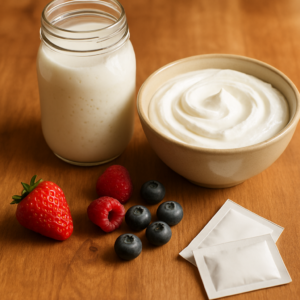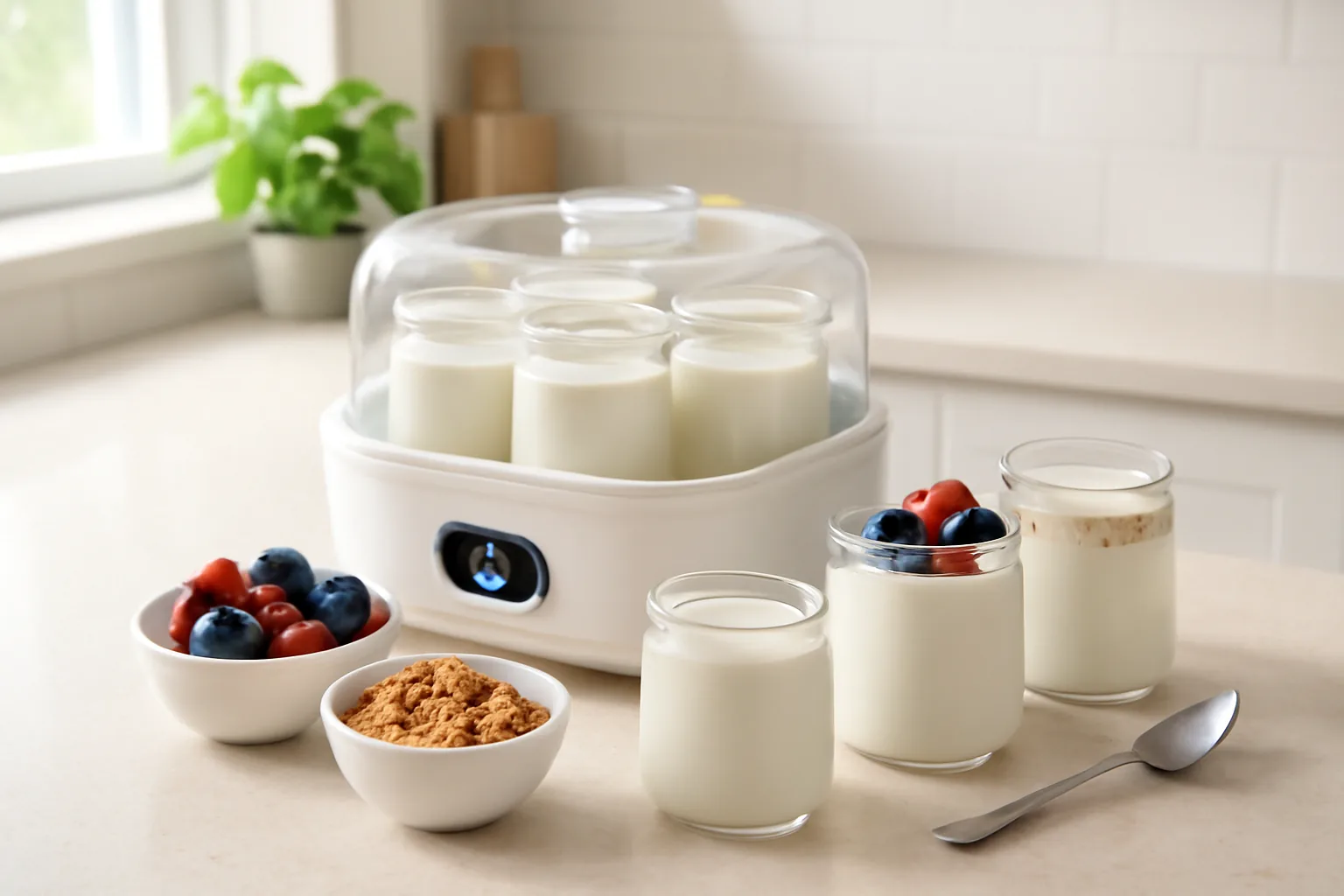

My background draws on more than a decade of helping other people through digestive wellness challenges, but I’m not a clinical provider—the observations I share reflect personal experience experience and should never replace guidance from your own doctor. Before introducing any new fermented food or supplement into your routine, particularly if you’re managing medications or have been diagnosed with a digestive condition, check with your healthcare provider first.
Throughout my twelve years comparing notes with other people on gut health, I’ve recommended countless probiotic interventions—shelf-stable capsules, powder formulations, kefir fermentation systems, lacto-fermented vegetable protocols, the list extends on. But a persistent pattern emerged in my experience that wouldn’t let me ignore it. Many of the people I worked with were investing considerable money into commercial probiotic products, only to find the results disappointing or temporary. Research from Sonnenburg et al. (2021) published in Cell validated what I’d begun to suspect from watching person outcomes: whole fermented foods consistently demonstrated superior immunological responses compared to isolated supplement doses in experimental settings. This insight redirected my thinking toward home yogurt fermentation as a pragmatic, food-based approach rather than another capsule protocol.
How to Make Live Yogurt at Home When Store-Bought Strains Aren’t Diverse Enough
Store-bought yogurts typically contain only a narrow bacterial profile—usually just two or three strains. For people managing sensitive digestion, even those commonly available strains produce unpredictable reactions. When you ferment yogurt at home, the power shifts to you: you select which starter culture to use, you decide how long fermentation continues (more time = progressively less lactose remaining), and you’re essentially cultivating a more intricate probiotic landscape right on your countertop—entirely independent of what major food manufacturers calculate as their profit margin.
The advantages I’ve observed
- Longer fermentation windows (ranging from 8 to 24 hours depending on your environment and starter) progressively reduce lactose content, which is why many people I’ve compared notes with tolerate homemade batches far better than conventional store-shelf options.
- Your starter culture becomes the variable you control—whether selecting a multi-strain yogurt powder or activating kefir grains—rather than being confined to whichever handful of Lactobacillus strains dominate commercial shelves.
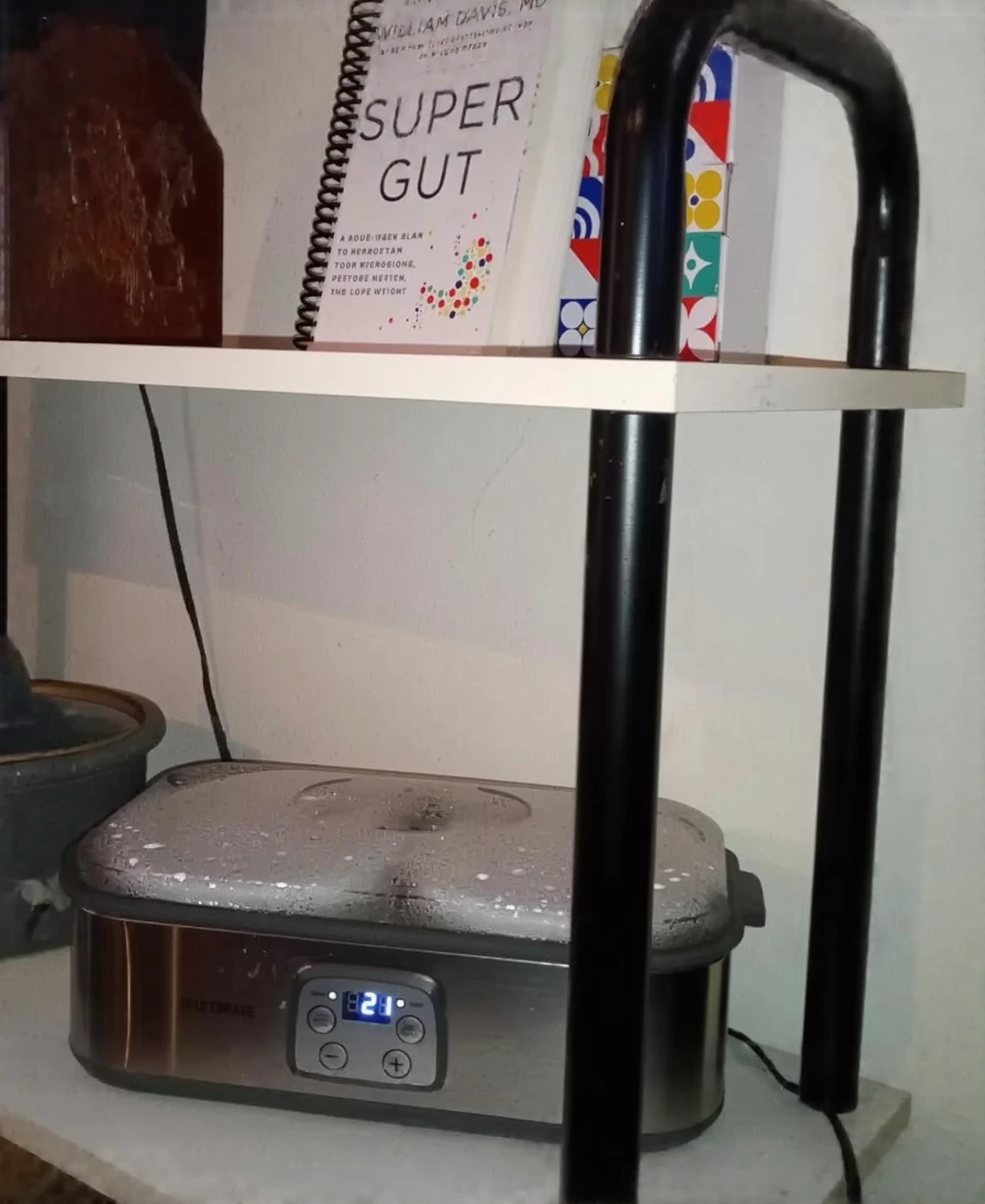
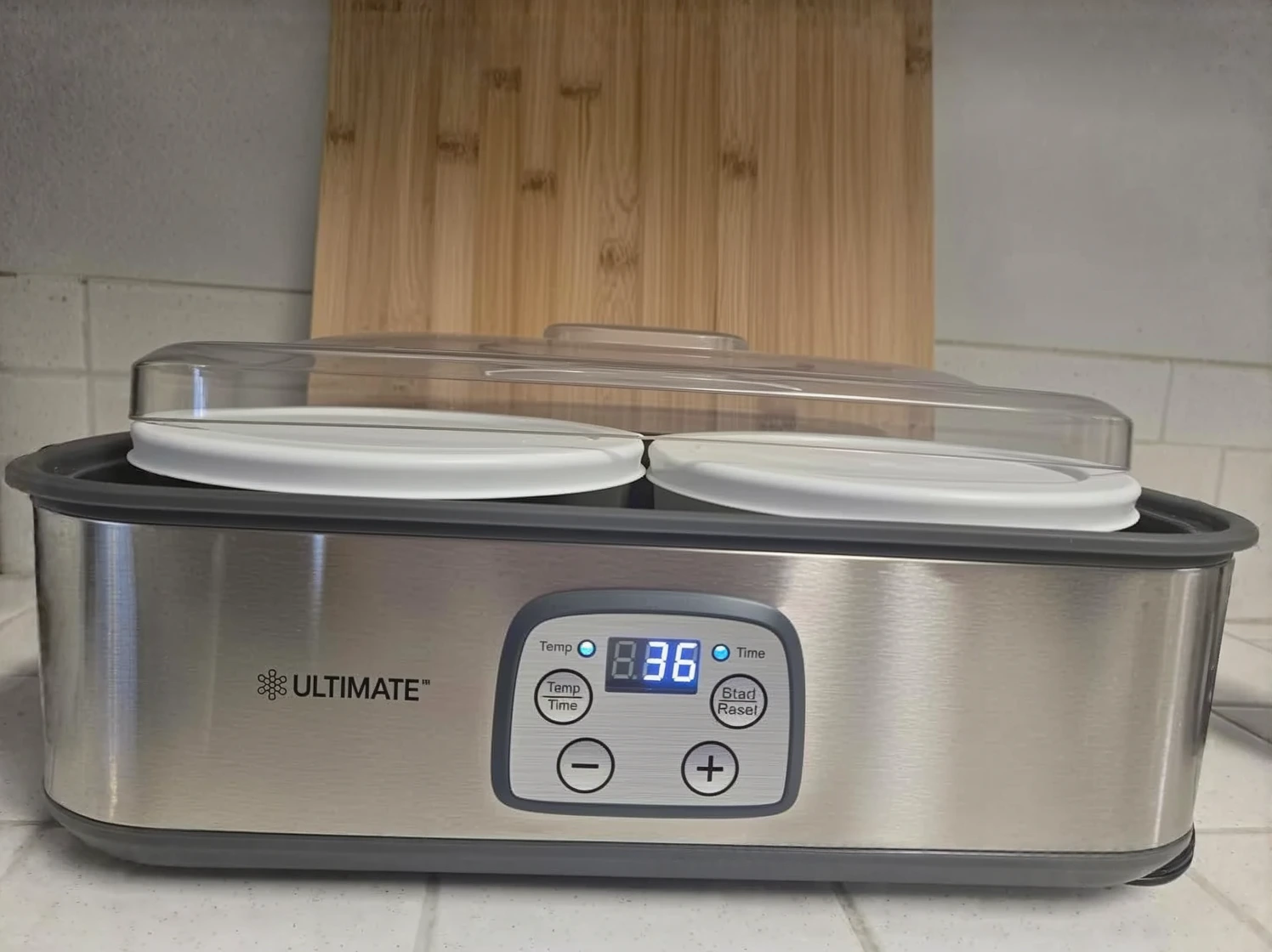
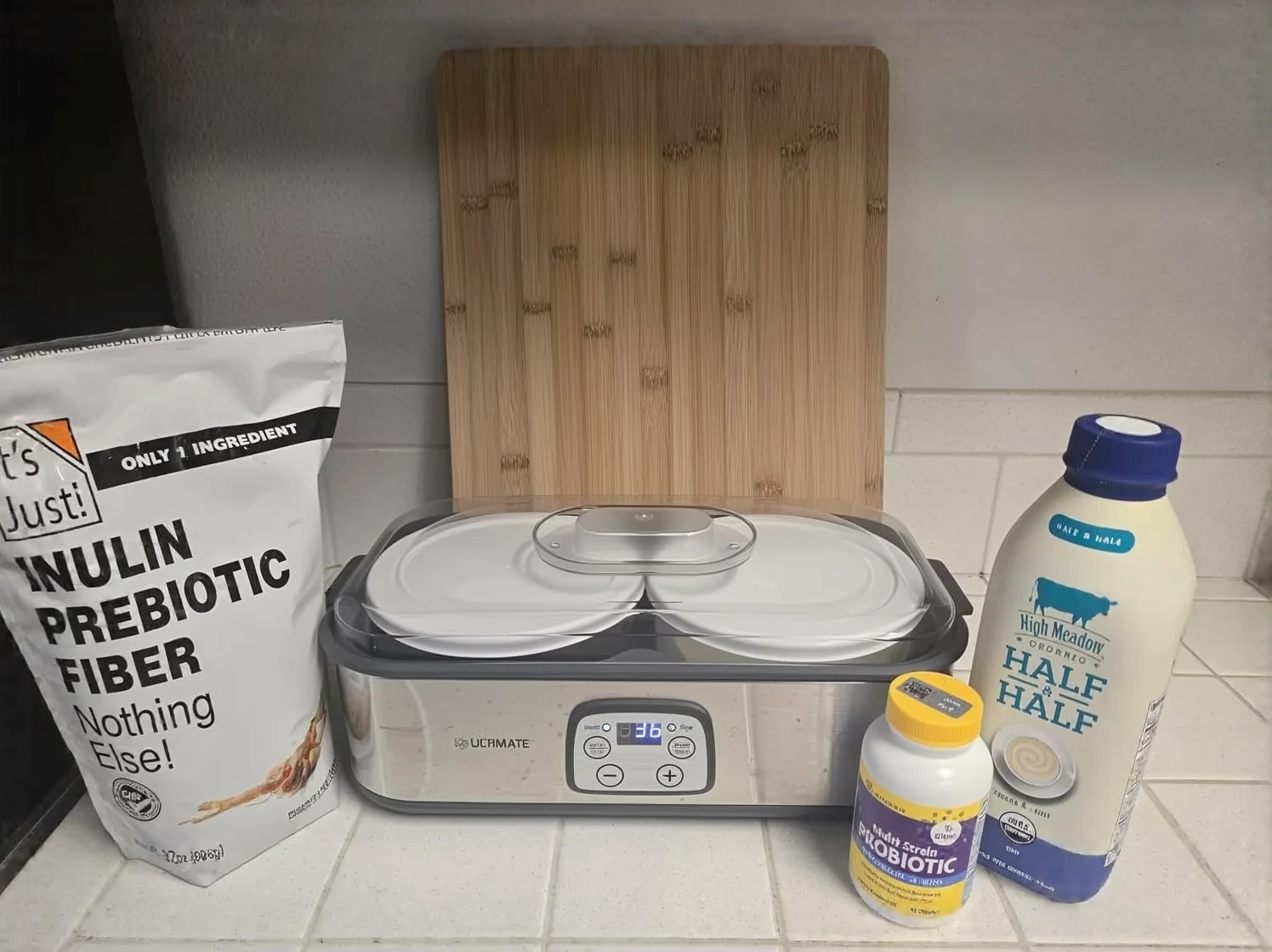
- Stable incubation temperatures (the actual purpose behind using a dedicated yogurt maker instead of wrapping jars in towels or leaving them in an oven) eliminate the guesswork, meaning each batch consistently achieves fermentation rather than sometimes succeeding and sometimes failing.
The limitations that matter
- Homemade yogurt functions as part of a broader digestive support strategy—it cannot stand alone as treatment for active IBS episodes, coeliac disease, or inflammatory bowel conditions. In cases of significant dysbiosis or active inflammation, people often require medical intervention before food-based strategies become effective.
- When starting with homemade fermented dairy, the transition should be gradual (approximately 1–2 tablespoons to begin with) since the bacterial density is substantially higher than commercial versions. During the initial adjustment period, some people report temporary increased bloating or shifts in bowel regularity as their microbiome adapts.
This is a long-game investment in gut diversity, not a quick symptom fix—most people need 4–8 weeks of consistent consumption before they notice meaningful shifts in digestion or energy. If you have severe lactose intolerance, FODMAP sensitivity, or histamine intolerance (some strains produce histamine), talk to your GP or dietitian before starting.
About This Article

Written by Alex Mercer. Alex Mercer has lived with IBS since childhood and isn't a nutritionist or a doctor. After years of being told he was anxious or would grow out of it, he spent more than 12 years reading the research properly, and now shares what he has learned with the family, friends and support-group members who come to him with the same questions. He translates peer-reviewed research into practical, honest advice, and is always upfront about what the evidence does and does not show. More about this site.
Scope and limits. Alex is not a doctor, dietitian, or nutritionist, and nothing here is medical advice. Talk to a clinician before changing your diet, starting a supplement, or acting on symptoms — especially persistent or worsening ones.
Verify this against a primary source
Specifics change, and your situation may differ from the one described here. These are the authorities worth checking directly:
- NIDDK — digestive disease research and clinical guidance
- MedlinePlus — plain-language medical reference from the NIH
- Mayo Clinic — symptom and condition reference