I am a qualified nutritionist, not a gastroenterologist. The experiences shared here are personal and clinical observations. Always consult your doctor before starting any new supplement, especially if you take medication.
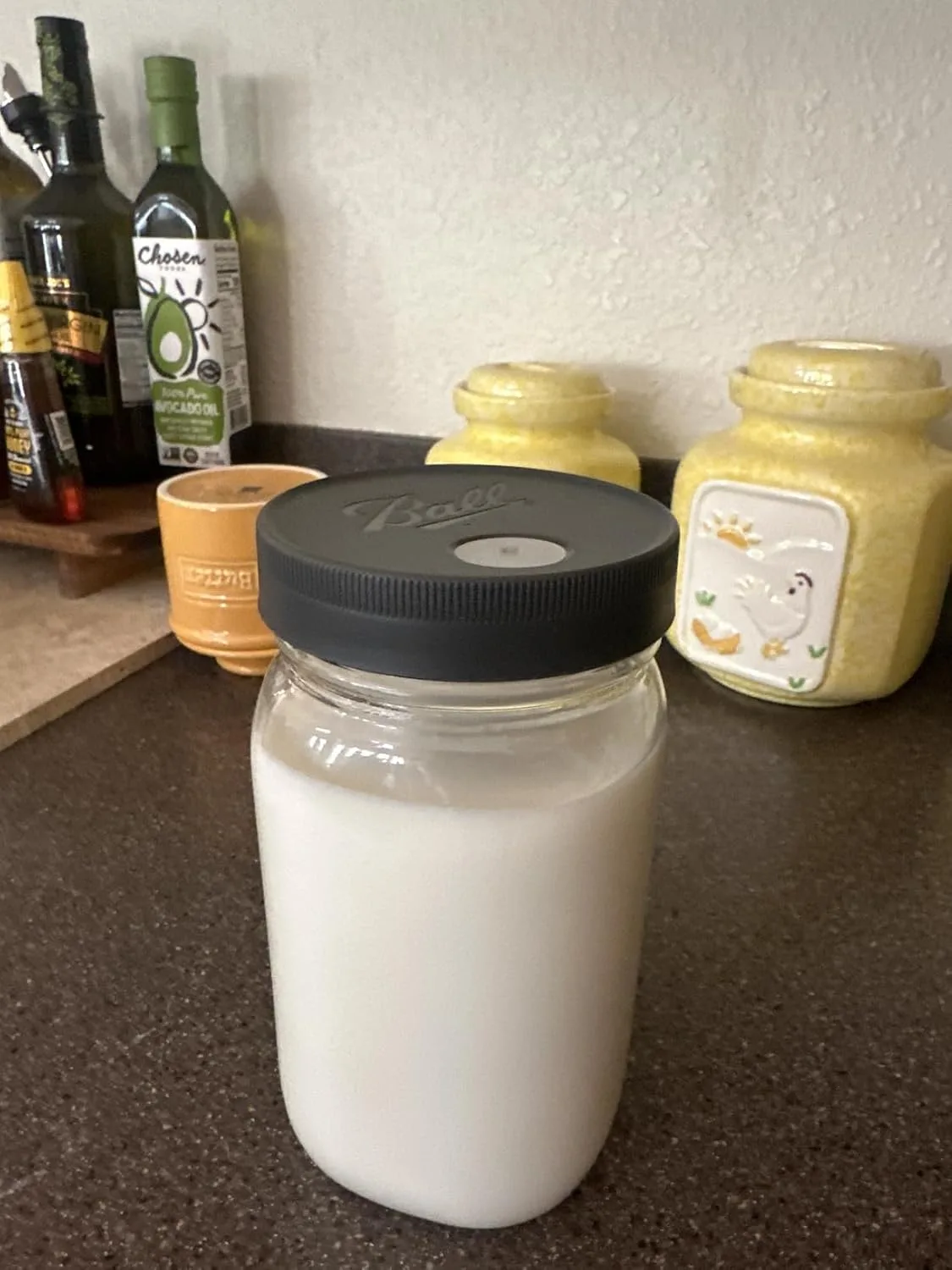
After fifteen years working with clients on gut health, I thought I had seen every fermented food trend come and go. However, kefir kept circling back — in the research, in my consultations, and eventually in my own kitchen. When a client I’ll call Sarah came to me struggling with post-antibiotic digestive chaos — erratic bowel habits, persistent bloating, and Bristol scale scores swinging between 1 and 6 — I started seriously reconsidering kefir’s clinical value. That search eventually led me to a proper milk kefir grains starter kit, and it changed how I approach fermented dairy entirely.
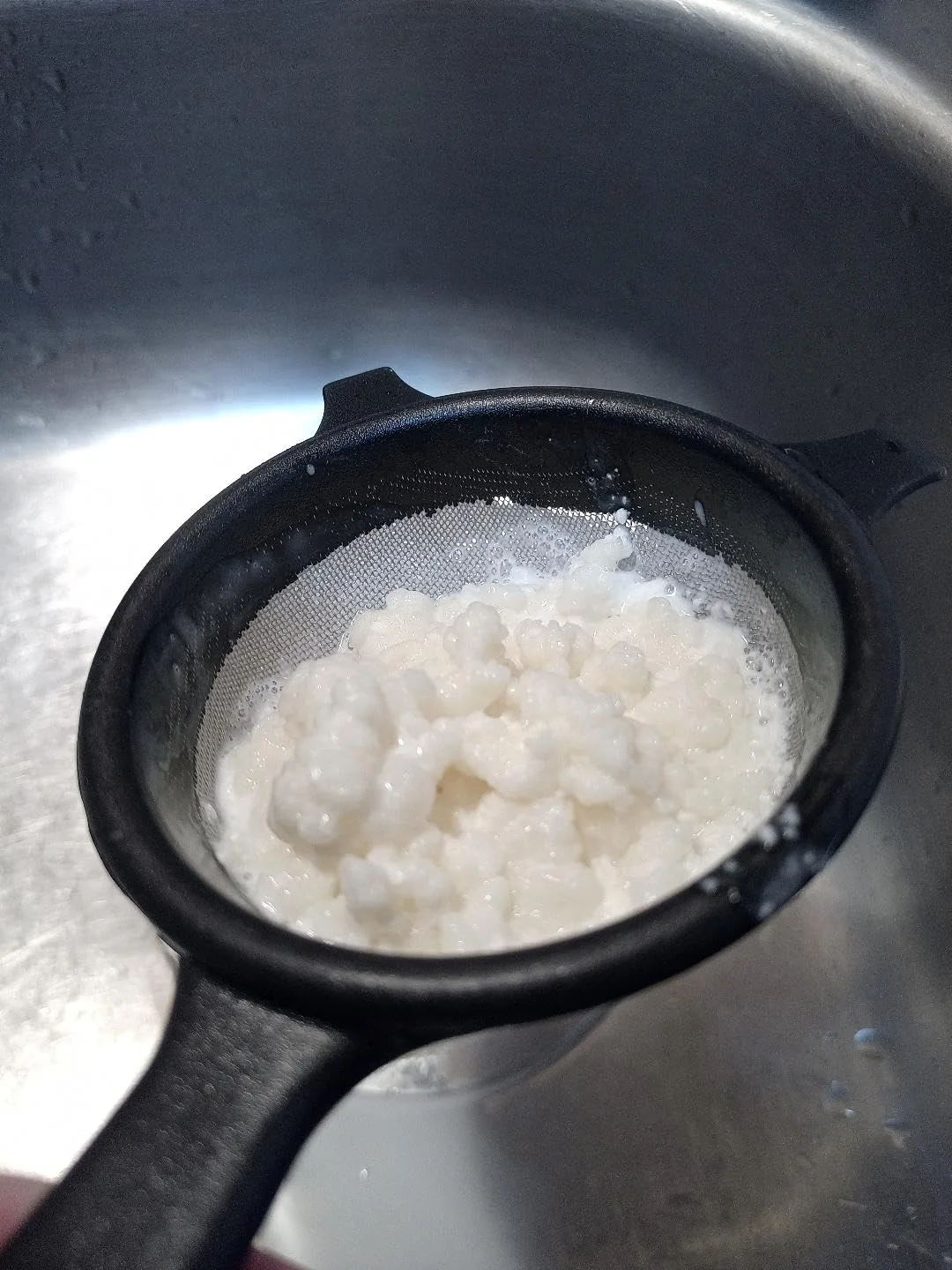
I had been recommending store-bought kefir for years. It is convenient, consistent, and widely available. But the more I dug into the research, the more I realised commercial kefir often lacks the microbial diversity of traditionally fermented grain-based kefir. A 2016 review published in Frontiers in Microbiology identified over 50 distinct microbial species in authentic milk kefir grains — including Lactobacillus kefiranofaciens, Lactobacillus kefiri, Leuconostoc mesenteroides, and multiple Saccharomyces yeasts. That is a microbial ecosystem, not just a probiotic product.
The Starter Kit That Makes Daily Milk Kefir Fermentation Actually Sustainable
If you’re ready to move beyond buying expensive probiotic supplements and want to culture your own live kefir at home, the barrier isn’t usually the grains themselves—it’s knowing how to keep them alive and active without killing them through trial and error. This starter kit includes both the grains and a practical guide that removes the guesswork from the fermentation process.
What works
- Fresh, active grains arrive ready to ferment immediately—most clients get their first batch of kefir within 24 hours, which builds momentum and confidence to continue.
- The included eBook removes the anxiety from common mistakes like over-fermenting, contamination, and grain dormancy, which is why most people who abandon kefir-making actually give up in the first two weeks.
- Once established, kefir grains are remarkably resilient and can produce a steady supply of live-culture dairy for pennies per serving, making this a genuinely cost-effective probiotic source for long-term use.
What doesn’t
- Milk kefir is not suitable if you’re vegan, have a confirmed casein allergy, or are immunocompromised—live cultures carry a small but real infection risk in that last group, so check with your GP first if this applies to you.
- If you have active IBS-D or inflammatory bowel disease flaring, the high histamine content and FODMAP load in kefir can trigger symptoms; this is a tool for stable digestion, not acute inflammation.
Kefir is a food, not a medicine, and while the live cultures are genuinely beneficial for most people with dysbiosis or sluggish digestion, it won’t reverse serious gut pathology on its own—it works best alongside dietary changes and professional support if you have diagnosed IBS or IBD. 1 TBSP Milk Kefir Grains and eBook “Milk Kefir Unleashed by Thomas Egbert” – Fresh Live Active Probiotic Starter Cultures – Fusion Teas
This post contains affiliate links. As an Amazon Associate, I earn from qualifying purchases at no extra cost to you.