Disclosure: This post contains affiliate links. As an Amazon Associate, I earn from qualifying purchases at no extra cost to you.
Health disclaimer: I am a qualified nutritionist, not a gastroenterologist. The experiences shared here are personal and clinical observations. Always consult your doctor before starting any new supplement or dietary change, especially if you take medication or have a diagnosed condition.
I have spent fifteen years helping clients untangle the mess of bloating, irregular bowel movements, and stubborn skin flare-ups that conventional medicine often struggles to explain. Yet last spring, I found myself in an oddly familiar position — frustrated with my own digestion. My Bristol Stool Scale scores had been hovering between Type 2 and Type 3 for months. Energy was flat. Mild bloating arrived most evenings regardless of what I ate. I had recommended microbiome testing to dozens of clients, but I had never done a thorough Viome gut intelligence test review on myself. It was time to change that.
The decision felt overdue. In my clinical practice, I had noticed a recurring pattern. Clients with seemingly “healthy” diets still showed dysbiosis markers when tested. Generic elimination diets only got them so far. What they needed was precision — specific data about which microbes were thriving, which were suppressing short-chain fatty acid production, and which foods were genuinely feeding inflammation. That is the promise of metatranscriptomic testing, and it is where Viome sits differently from most competitors.
Why I Chose the Viome Gut Intelligence Test Over Other Options
Most at-home microbiome kits use 16S rRNA sequencing. It identifies bacterial genera, but it cannot tell you what those microbes are actually doing. Viome uses metatranscriptomics — analysing microbial RNA rather than DNA. This distinction matters enormously. Two people can have similar populations of Faecalibacterium prausnitzii, yet one may have an active colony producing butyrate while the other does not. Only RNA analysis reveals that functional difference.
Research published in Cell Host & Microbe has highlighted how microbial gene expression, not just community composition, drives host metabolic outcomes. Viome’s approach aligns with that science. That was the primary reason I chose the Viome at-Home Gut Intelligence Microbiome Test, 20 Health Scores, Stool Sample Test, Uncover Root Cause to GI Issues, Bloating, Irregular Bowel Movements, Skin Irritation, and Hormone Imbalances over lower-cost DNA-only alternatives.
The 20 health scores also stood out. These cover gut microbiome diversity, biological age, inflammatory activity, digestive efficiency, and metabolic fitness — among others. For a clinician, that depth is genuinely useful. It mirrors the kind of functional data I might request through a CDSA (Comprehensive Digestive Stool Analysis) in a private clinic setting, but at a fraction of the cost.
First Impressions: Packaging, Instructions, and Ease of Use
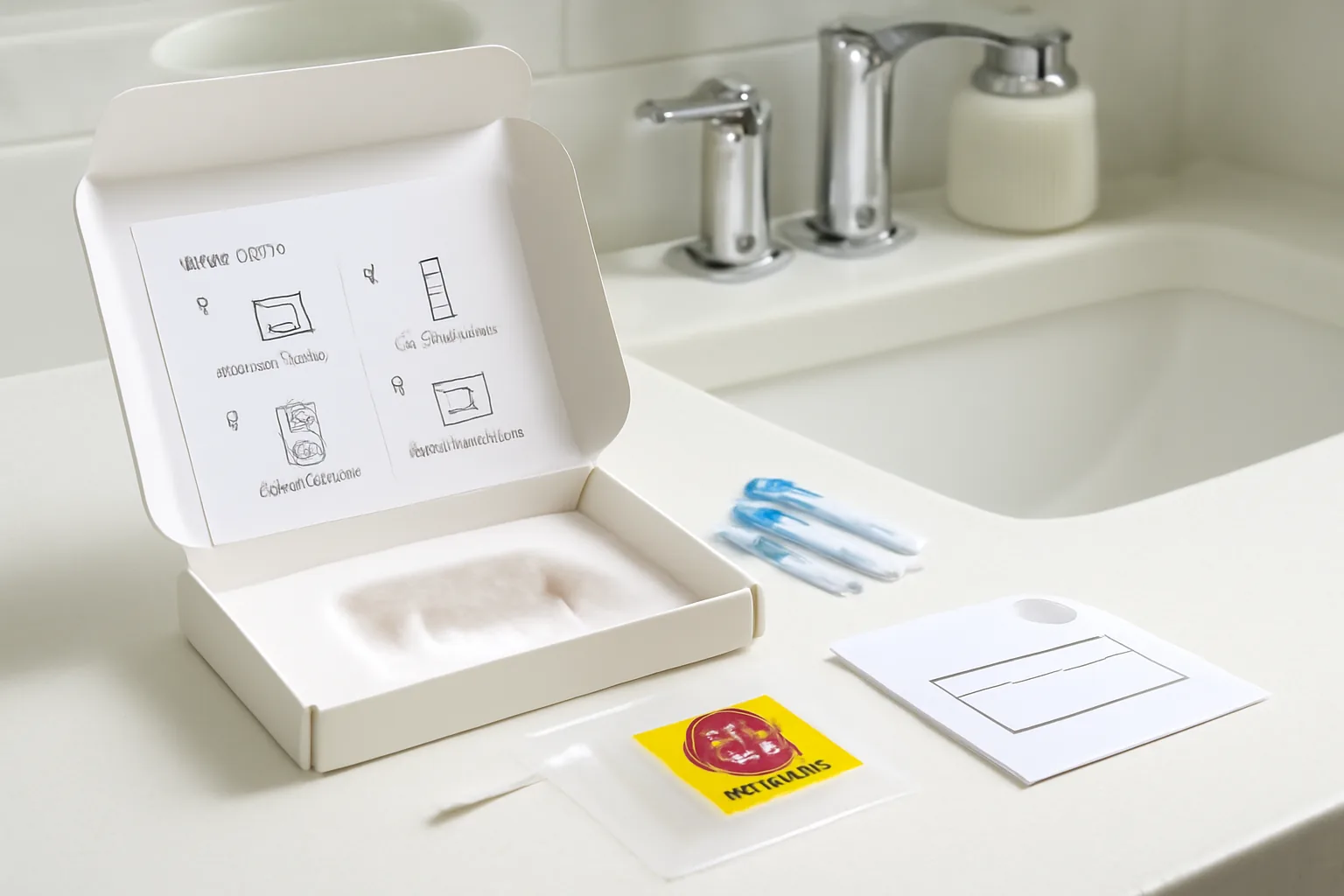
The kit arrived within three days. The packaging was clean and clinical — a white box, well-sealed, with clearly numbered steps on the inside flap. I appreciated the no-nonsense design. Stool sample kits can feel awkward. Viome handles the instructions with enough matter-of-factness to make the process feel routine rather than embarrassing.
The collection tube contains a stabilising buffer solution. You add your sample, shake, seal, and post using the prepaid return envelope. No refrigeration is required. The buffer preserves RNA integrity during transit — a critical detail, since RNA degrades far faster than DNA. Viome’s technical documentation notes the solution stabilises samples at room temperature for up to two weeks. That gave me confidence the data would be accurate.
The accompanying app is intuitive. Before results arrive, you complete a health questionnaire covering diet, medications, symptoms, sleep, and stress. This contextualises the microbiome data meaningfully. In my experience, raw sequencing data without clinical context is largely useless. The questionnaire bridges that gap well.
My Six-Week Testing Protocol
I collected my sample on a Tuesday morning, fasted for twelve hours prior, and avoided probiotics for five days beforehand. That washout period matters — active probiotic supplementation can temporarily skew microbiome composition, potentially masking your true baseline. I wanted clean data.
Results arrived seventeen days later via the app. From that point, I committed to following Viome’s personalised food recommendations for six full weeks. I tracked daily using a simple symptom diary: bloating score (1-10), stool consistency per the Bristol Stool Scale, energy levels (1-10), and any skin changes around my jawline, where I occasionally get hormonal breakouts.
My scores revealed a low butyrate-producing microbial profile. Roseburia intestinalis and Eubacterium rectale — both key butyrate producers — were present but showing low transcriptional activity. Butyrate is the primary fuel for colonocytes. Reduced production is associated with increased intestinal permeability and blunted immune regulation, as documented in a 2021 review in Nutrients. This explained a lot.
Viome flagged several foods I had considered healthy as “minimise” recommendations for my specific profile. Cooked spinach appeared on that list — surprising, given its reputation. The reasoning related to oxalate metabolism and my microbial capacity to break it down. Chickpeas were also flagged, likely due to my fermentation efficiency scores. On the other hand, asparagus, blueberries, and wild salmon appeared prominently in my “superfoods” list.
Daily Routine During the Protocol
Each morning I reviewed my food list before planning meals. I removed chickpeas and spinach from rotation. I added asparagus three to four times per week. I increased wild salmon to five servings per week, up from two. Blueberries became a daily staple — roughly 80g per serving.
I also followed Viome’s supplement suggestions, which in my case included a short-chain fructooligosaccharide (scFOS) prebiotic to support my underperforming butyrate producers. Research from Delannoy-Bruno et al. (2021) in Cell demonstrated that personalised dietary interventions based on microbiome profiling outperform generalised dietary guidelines in modulating microbial function. That gave me further confidence in the protocol.
What Actually Changed After Six Weeks
By the end of week two, my evening bloating had reduced noticeably. I scored it at a 3 out of 10 most nights, down from a consistent 6 or 7. My Bristol Stool Scale readings shifted from a 2-3 average to a consistent 4 — the textbook “ideal” result. That change alone felt significant.
Energy improved more gradually. By week four, I stopped needing an afternoon coffee. That had been a daily habit for years. I cannot attribute this solely to the dietary changes — sleep and stress also improved slightly during this period — but the timing felt too coincidental to dismiss.
The jawline breakouts reduced meaningfully. By week five, I had not had a single new spot in nearly three weeks. Research suggests the gut-skin axis, mediated partly by microbial metabolites and systemic inflammation, can influence acne-like eruptions. A 2022 paper in the Journal of Investigative Dermatology linked gut dysbiosis with sebaceous gland dysfunction. My results felt consistent with that mechanism.
In my clinical experience, I have seen similar timelines with clients who follow personalised microbiome-led protocols — improvements typically begin around day 10 to 14, with meaningful changes consolidated by week six. One anonymised client, a 38-year-old woman with long-standing IBS-C, reported her best week of bowel regularity in years after following her Viome recommendations for five weeks. Her results mirrored mine in several ways.
The Viome Gut Intelligence Test Review: Downsides You Should Know
I want to be honest here — this product is not perfect. There were moments of doubt.
The seventeen-day wait for results was frustrating. I understand the processing complexity, but competitors like Thryve have returned results faster. If you are in acute digestive distress, waiting nearly three weeks for guidance is genuinely problematic.
The food recommendations also felt overwhelming initially. Receiving a list of 200-plus foods categorised as superfoods, enjoy, minimise, and avoid requires significant dietary literacy to act on. Clients without a strong nutritional foundation may struggle. I would recommend working through the results with a registered nutritionist — at least for the first few weeks.
Additionally, Viome’s scores are proprietary algorithms. The company does not publish full technical validation papers for every individual score in peer-reviewed journals. Some researchers in the microbiome field have raised questions about algorithm transparency. That is a legitimate concern. I trust the underlying metatranscriptomic technology, but I hold the specific score weightings with slight caution.
Finally, this test does not diagnose conditions. It cannot replace colonoscopy, endoscopy, or clinical investigation for red flag symptoms. The American Gastroenterological Association (AGA) guidance is clear — persistent rectal bleeding, unintentional weight loss, or nocturnal symptoms require formal clinical investigation before any dietary self-management.
Who Should Buy This (and Who Should Skip It)
This Test Is a Good Fit If You:
- Have chronic bloating, irregular bowel habits, or low energy without a clear diagnosis
- Have already completed standard GP investigations and been told “everything is normal”
- Are experiencing skin issues, hormonal fluctuations, or mood changes you suspect may have a gut component
- Want to move beyond generic dietary advice and understand your personal microbial landscape
- Are willing to act on the recommendations consistently for at least six weeks
Consider Skipping It If You:
- Are looking for a quick fix — this requires dietary commitment, not passive supplementation
- Have red flag GI symptoms (blood in stool, significant unintentional weight loss, severe pain)
- Are pregnant or managing a complex medical condition without clinician support
- Cannot comfortably navigate the app or a detailed food list — seek professional guidance first
Clients with diagnosed IBD or coeliac disease should use this as a complementary tool only, and only with their gastroenterologist’s awareness. The NICE guidelines for IBD management are clear that dietary changes should sit alongside, not replace, medical treatment plans.
Final Verdict: Is the Viome Gut Intelligence Test Worth It?
After six weeks of genuinely following the recommendations from the Viome at-Home Gut Intelligence Microbiome Test, 20 Health Scores, Stool Sample Test, Uncover Root Cause to GI Issues, Bloating, Irregular Bowel Movements, Skin Irritation, and Hormone Imbalances, my overall assessment is strongly positive — with clear caveats.
The metatranscriptomic technology is genuinely superior to 16S DNA testing for understanding functional microbial activity. The personalised food recommendations delivered measurable results for me — improved stool consistency, reduced bloating, better energy, and clearer skin. These are not trivial outcomes. However, this is not a passive supplement you take and forget. It demands real dietary engagement.
My honest rating: 4.3 out of 5. Points lost for the wait time, algorithm transparency limitations, and the steep learning curve for dietary novices. Points firmly held for the depth of analysis, the scientific rigour of the underlying technology, and the genuine improvements I experienced and have observed in clients.
For anyone conducting their own Viome gut intelligence test review, my strongest advice is this: commit to the full six weeks, keep a symptom diary, and revisit your scores in context. The data is only as powerful as your willingness to act on it.
You can find the Viome at-Home Gut Intelligence Microbiome Test on Amazon here.