This post contains affiliate links. As an Amazon Associate, I earn from qualifying purchases at no extra cost to you.
I am a qualified nutritionist, not a gastroenterologist. The experiences shared here are personal and clinical observations. Always consult your doctor before starting any new supplement or dietary change, especially if you take medication or have a diagnosed digestive condition.
For years, I watched clients walk into my clinic carrying the same story. Bloating after meals. Sluggish digestion. Energy that crashed by mid-morning. As a gut health nutritionist with over 15 years of clinical practice, I kept returning to one uncomfortable truth: most people were not eating enough fibre, polyphenols, or prebiotic-rich plant foods to support a diverse gut microbiome. The research backs this up. A landmark 2018 study published in Cell found that increasing dietary fibre diversity — not just quantity — significantly shifted microbiome composition toward strains like Bifidobacterium longum and Faecalibacterium prausnitzii, both associated with reduced intestinal inflammation. My answer to this gap? The blender gut health smoothie. Specifically, building a daily ritual around one.
That ritual, however, is only as good as the tool behind it. I have used a lot of blenders over the years. Cheap models that left fibrous chunks floating in my green smoothies. Mid-range machines that overheated after six months of daily use. Pricier options that felt unnecessarily complicated. So when the Vitamix VX1 Blender, Professional-Grade Kitchen Blender for Smoothies, Soups, Juices and More landed on my counter, I approached it with genuine curiosity — and a fair amount of scepticism.
Why I Chose the Vitamix VX1 for My Gut Health Smoothie Routine
Choosing a blender for gut health is not just about power. It is about what that power does to food at a cellular level. Research published in Food Chemistry suggests that mechanical disruption of plant cell walls — what a high-speed blender achieves — significantly increases the bioaccessibility of polyphenols and carotenoids. For my clients managing conditions like IBS or dysbiosis, maximising nutrient extraction from each blend matters enormously.
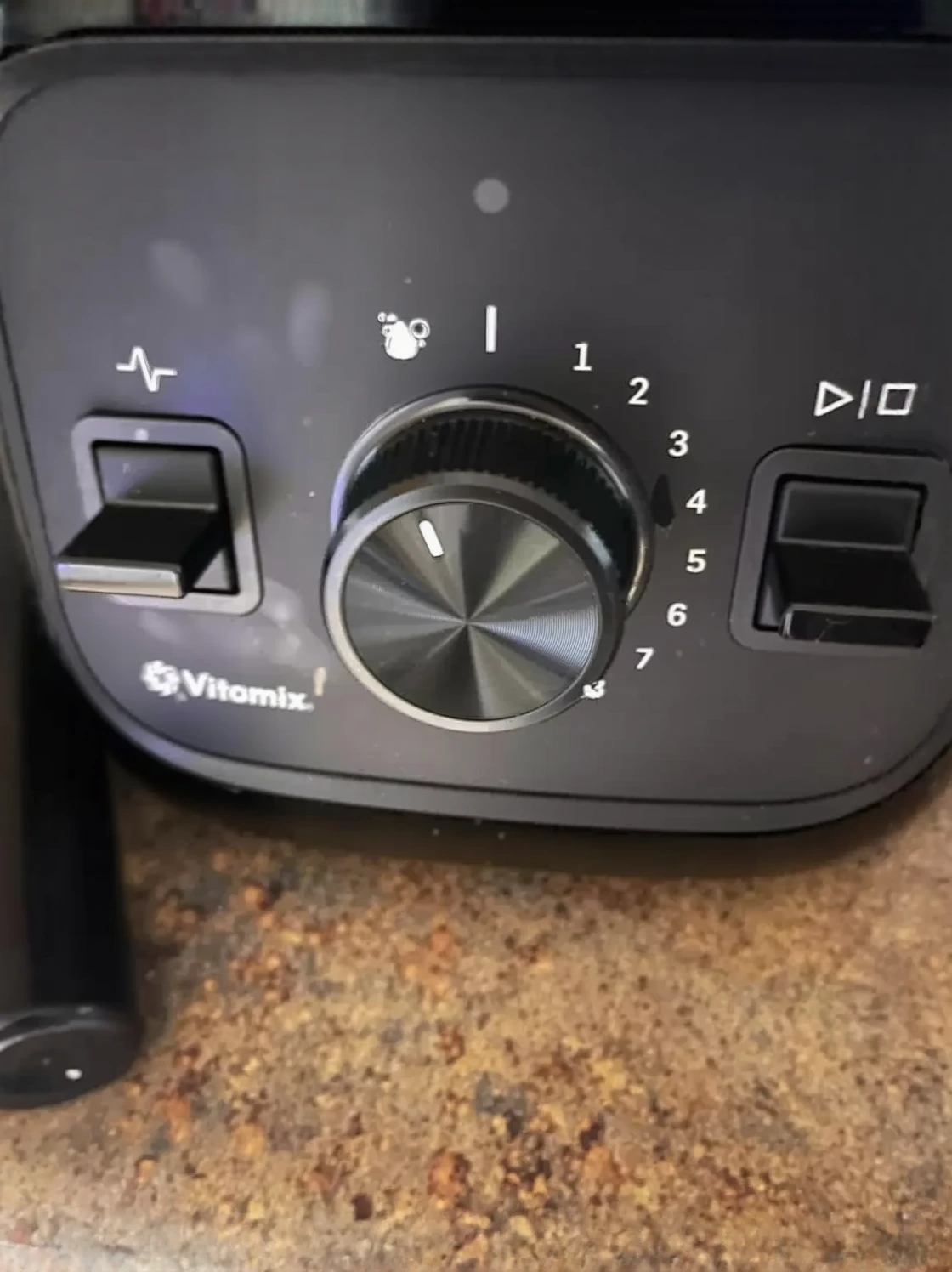
The Vitamix VX1 offers a 2.2 peak horsepower motor with 10-speed settings and stainless steel blades. That combination allows me to fully break down fibrous ingredients — think raw beetroot, frozen kale, flaxseeds, and Jerusalem artichoke — that cheaper blenders simply cannot handle. Jerusalem artichoke, for example, is one of the richest dietary sources of inulin-type fructans, a well-studied prebiotic that selectively feeds Bifidobacterium species in the colon. However, it needs to be properly pulverised to release its benefits and minimise fermentation-related bloating.
On top of that, the 64 oz classic container made batch-blending practical for busy clinic mornings. I also appreciated the self-cleaning feature — a small thing, but one that removes the friction that kills daily habits. That consistency is, frankly, what changes outcomes for my clients.
First Impressions: Unboxing and Setup
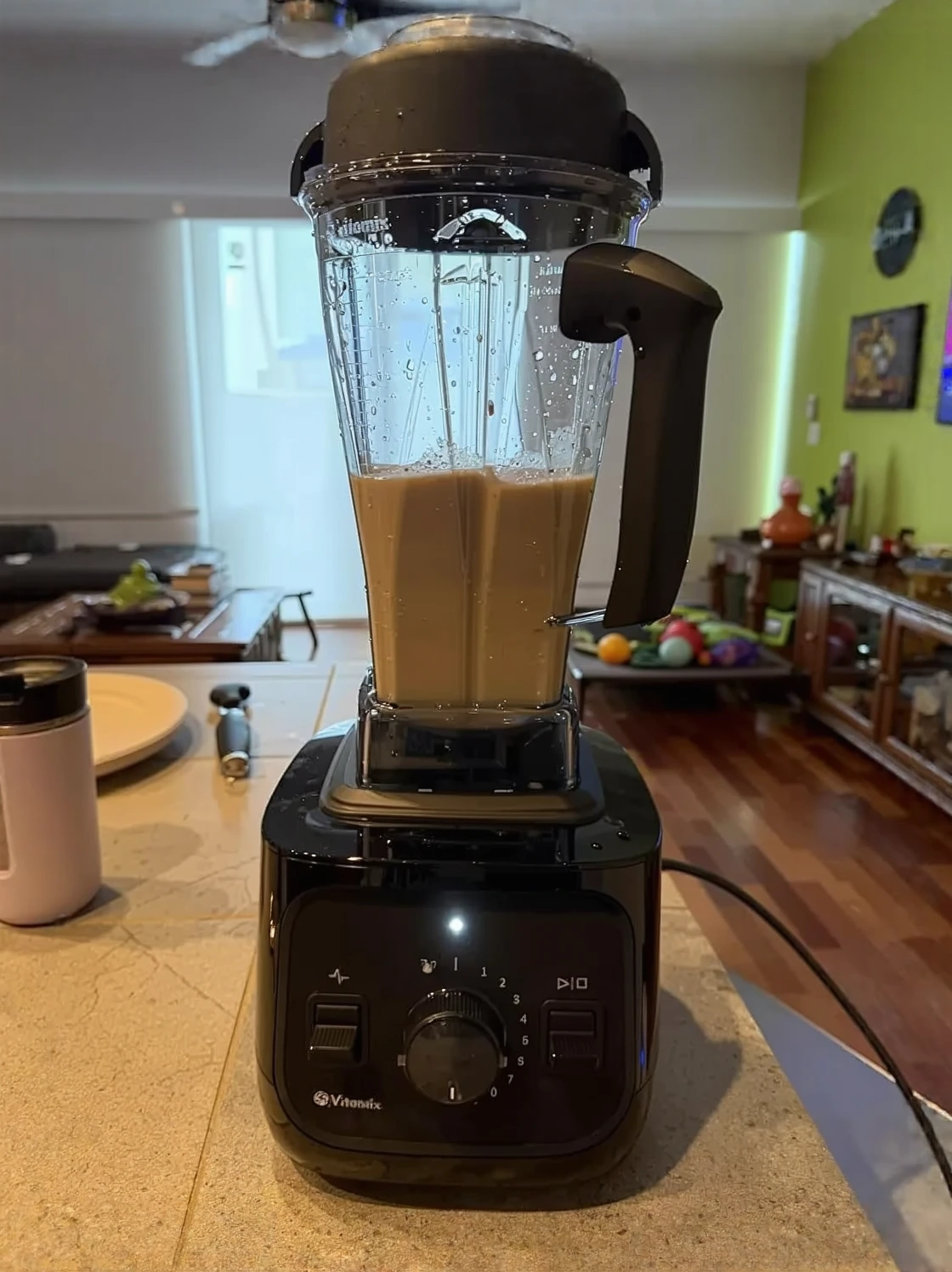
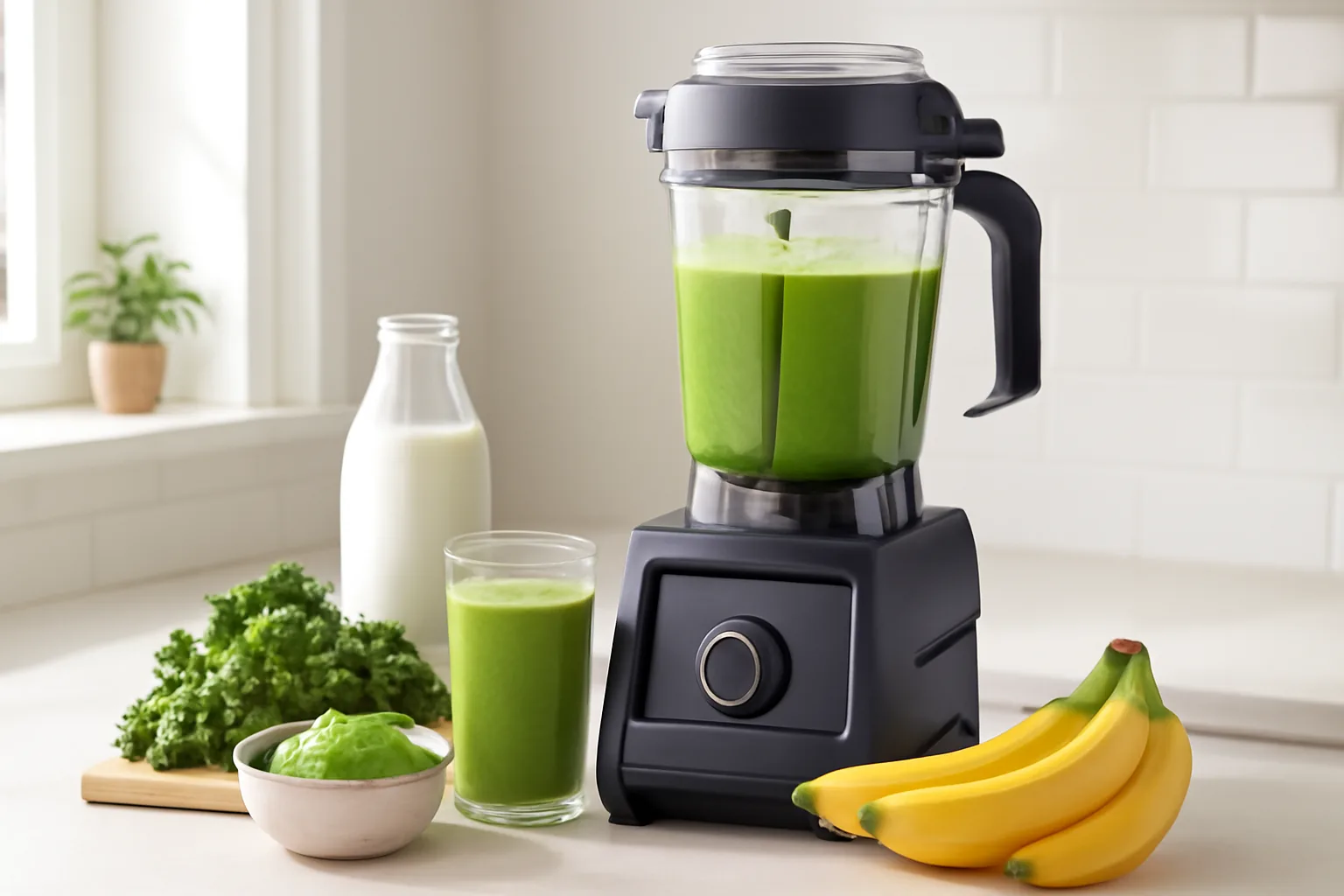
The Vitamix VX1 Blender arrived well-packaged and felt immediately substantial. The black matte finish is clean and professional. At roughly 17 lbs, it is not a machine you will be tucking away in a cupboard — it earns a permanent spot on the counter, which I would argue is exactly where it should be.
Setup took under five minutes. The 64 oz container locked onto the base with a satisfying click. The 10-speed dial is intuitive — no touchscreen menus or confusing presets to navigate. I ran the self-clean cycle first: warm water, a drop of washing-up liquid, 60 seconds on high. Done. The container came out spotless, which immediately impressed me.
First blend was a simple gut health smoothie: frozen banana, spinach, ground flaxseed, kefir, a teaspoon of inulin powder, and half an avocado. The result was silky smooth in under 45 seconds. No stringy kale fibres. No gritty flaxseed texture. Just a completely homogenous blend. After years of wrestling with inferior machines, that felt genuinely significant.
My 8-Week Testing Protocol
I committed to an eight-week structured protocol. My goal was to assess whether using the Vitamix VX1 consistently would support measurable improvements in my own digestive symptoms — specifically bloating scores, stool consistency, and energy levels.
What I Tracked
- Bristol Stool Scale score — logged daily each morning
- Bloating score — self-rated 1–10 at midday and evening
- Energy levels — morning and afternoon ratings (1–10)
- Bowel transit time — informal charcoal capsule test at weeks 1 and 8
- Ingredient diversity score — tracking how many distinct plant foods I consumed weekly
Every morning, I blended one large gut health smoothie using the Vitamix VX1. I rotated ingredients weekly to maximise phytochemical and prebiotic diversity. Typical ingredients included: frozen mixed berries (rich in anthocyanins, which research suggests modulate Lactobacillus populations), ground chia seeds (soluble fibre, omega-3s), kefir or unsweetened yoghurt (live cultures including Lactobacillus acidophilus), green banana flour (resistant starch type 2), spinach or kale, and a tablespoon of extra-virgin olive oil for its oleocanthal content and fat-soluble vitamin absorption.
I consumed each smoothie between 7:30 and 8:00 am, approximately 30 minutes before my first coffee. Timing mattered here. Research from the American Gastroenterological Association (AGA) suggests that fibre consumed early supports the gastrocolic reflex and promotes morning regularity — something many of my clients with sluggish digestion desperately need.
What Actually Changed Over 8 Weeks
By week two, I noticed the most obvious shift: my Bristol Stool Scale scores moved from a fairly consistent type 3 (sausage-shaped with cracks) to type 4 (smooth, sausage-like — the clinical ideal). That alone was meaningful. In my clinical experience, sustained type 4 stools indicate adequate hydration, sufficient dietary fibre, and healthy transit time — typically 24 to 48 hours.
Bloating scores dropped from an average of 5.5 at week one to 2.8 by week six. I attribute this partly to the prebiotic fibre gradually shifting my microbiome composition. That said, weeks two and three were bumpy. Bloating actually increased temporarily — a classic sign of microbiome adaptation as gas-producing fermentation ramps up before beneficial strains take hold. I expected this. Many of my clients panic at this stage and stop too early.
Energy levels improved noticeably from week four onward. Morning scores rose from an average of 5.8 to 7.4. This aligns with emerging research on the gut-brain axis — specifically, that short-chain fatty acids (SCFAs) like butyrate, produced when gut bacteria ferment prebiotic fibres, may influence serotonin signalling via enteroendocrine cells. Around 90% of the body’s serotonin is produced in the gut, a fact I regularly share with clients who present with both digestive and mood-related complaints.
My informal transit time test at week 8 showed improvement — down from approximately 58 hours at baseline to around 38 hours. Within the healthy 24–48 hour window is the goal most integrative practitioners aim for.
The Downsides You Should Know About
I want to be honest here, because no product is perfect — and I think glossing over the negatives does readers a disservice.
It Is Loud
The Vitamix VX1 is genuinely loud on high speeds. If you live in a flat with thin walls, or have a sleeping partner, morning blending requires some negotiation. I found speeds 6–7 sufficient for most smoothie recipes, which is noticeably quieter than full power. However, this is worth knowing upfront.
The Price Point
This is a significant investment. For some households, the cost will be a genuine barrier. I will not pretend otherwise. That said, in my clinical experience, the machines that actually change habits are the ones sitting on the counter, not stuffed in a cupboard because they are too cumbersome to use daily.
Not a Magic Fix
The Vitamix VX1 Blender is a tool — not a treatment. If you have underlying conditions like small intestinal bacterial overgrowth (SIBO), inflammatory bowel disease, or significant food intolerances, high-fibre smoothies may worsen symptoms before a therapeutic protocol is in place. The Monash University FODMAP program, for example, recommends a structured elimination phase before reintroducing high-prebiotic foods. Please work with a qualified practitioner if this applies to you.
Blender Gut Health Smoothie: Who Should Buy This (and Who Should Skip It)
This blender is ideal for:
- People committed to a daily gut health smoothie routine who want professional-grade results
- Those wanting to maximise fibre diversity and phytonutrient bioaccessibility from whole foods
- Home cooks who also want to blend soups, nut butters, and sauces — getting full utility from the machine
- Health-focused households where the blender will genuinely be used every single day
- Nutritionists or health coaches wanting a reliable clinical demonstration tool
Consider skipping it if:
- You blend occasionally and cannot justify a premium price point
- You live in a noise-sensitive environment with early morning constraints
- Counter space is genuinely limited in your kitchen
Consult your GP or registered dietitian first if:
- You have a confirmed diagnosis of SIBO, IBD (Crohn’s or ulcerative colitis), or gastroparesis
- You are currently on immunosuppressants or anticoagulants (high-dose greens can affect INR levels in warfarin users)
- You are following a low-FODMAP elimination phase under clinical supervision
Final Verdict: Is the Vitamix VX1 Worth It?
After eight weeks of daily use, I can say this with genuine confidence: the Vitamix VX1 Blender, Professional-Grade Kitchen Blender for Smoothies, Soups, Juices and More is the best tool I have used for building a sustainable blender gut health smoothie habit. It is powerful enough to maximise the bioaccessibility of every prebiotic and phytonutrient you put into it. It is reliable, easy to clean, and — critically — enjoyable to use every single morning.
My Bristol Stool Scale scores improved. Bloating reduced meaningfully. Transit time normalised. Energy lifted. These changes were not dramatic overnight transformations — they were steady, cumulative shifts that built over eight weeks of consistent practice. In my clinical experience, that kind of sustainable progress is exactly what gut health work looks like when it is done properly.
For the right person, this machine will genuinely change your morning routine and, with the right ingredients, support meaningful improvements in digestive health. I give it a 4.7 out of 5