Have you ever sat on the toilet for what feels like forever, straining and waiting, only to walk away frustrated and uncomfortable? I’ve been there — and if you’re reading this, chances are you have too. What I didn’t know for a long time was that the modern toilet itself might be working against us. The simple concept of using a squatting position constipation toilet workaround changed the way I think about one of the most basic human functions — and the research behind it is genuinely fascinating.
Why the Way You Sit Might Be the Problem
Here’s something that surprised me when I first learned it: humans weren’t designed to poop sitting upright at a 90-degree angle. For the vast majority of human history, we squatted close to the ground to eliminate. The modern flush toilet, while a marvel of sanitation, actually puts our bodies in a position that can make elimination harder than it needs to be.
The key player here is a muscle called the puborectalis. When you’re seated upright, this muscle stays partially contracted, creating a natural kink in the rectum — almost like putting a bend in a garden hose. Research suggests that adopting a more squatted position helps relax this muscle, straightening the anorectal angle and allowing stool to pass more easily and completely.
A study published in the Journal of Medical Investigation found that participants reported significantly less straining and faster elimination times when using a squat position compared to sitting. Another often-cited study by gastroenterologist Dr. Dov Sikirov found that squatting resulted in easier, faster bowel movements for the majority of participants. Now, I’m not here to diagnose anyone or promise miracle results — but “less straining and faster trips to the bathroom” sounds pretty good to most of us, right?
The Squatting Position, Constipation, and Your Toilet: What’s Actually Happening
When we talk about using a squatting position for constipation and toilet habits, we’re really talking about anorectal angle optimization — which sounds very clinical but is actually simple in concept. Think of it this way: your colon has a natural exit path, and that path works best when your knees are raised above your hips. Sitting flat on a toilet keeps that path slightly kinked. Squatting — or simulating a squat with a stool — opens it up.
Many people find that this shift may support:
- More complete emptying of the bowels
- Less time spent straining or pushing
- Reduced feelings of bloating or that “not quite done” sensation
- Greater regularity over time when combined with other healthy habits
Of course, bowel health is multifaceted. Hydration, fiber intake, physical activity, and stress levels all play important roles. But the position you’re in? That’s the one factor most of us have never even thought to question — and it’s one of the easiest things to change.
How to Actually Squat on a Modern Toilet
Full squatting on a standard toilet isn’t exactly practical (or safe — I don’t recommend standing on the seat!). The good news is that you don’t need to do a deep squat to get meaningful benefits. Simply elevating your feet so your knees rise above your hips mimics the squatting posture well enough to make a real difference for many people.
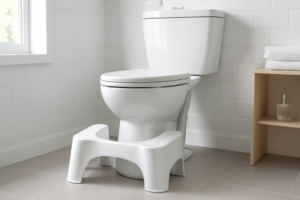
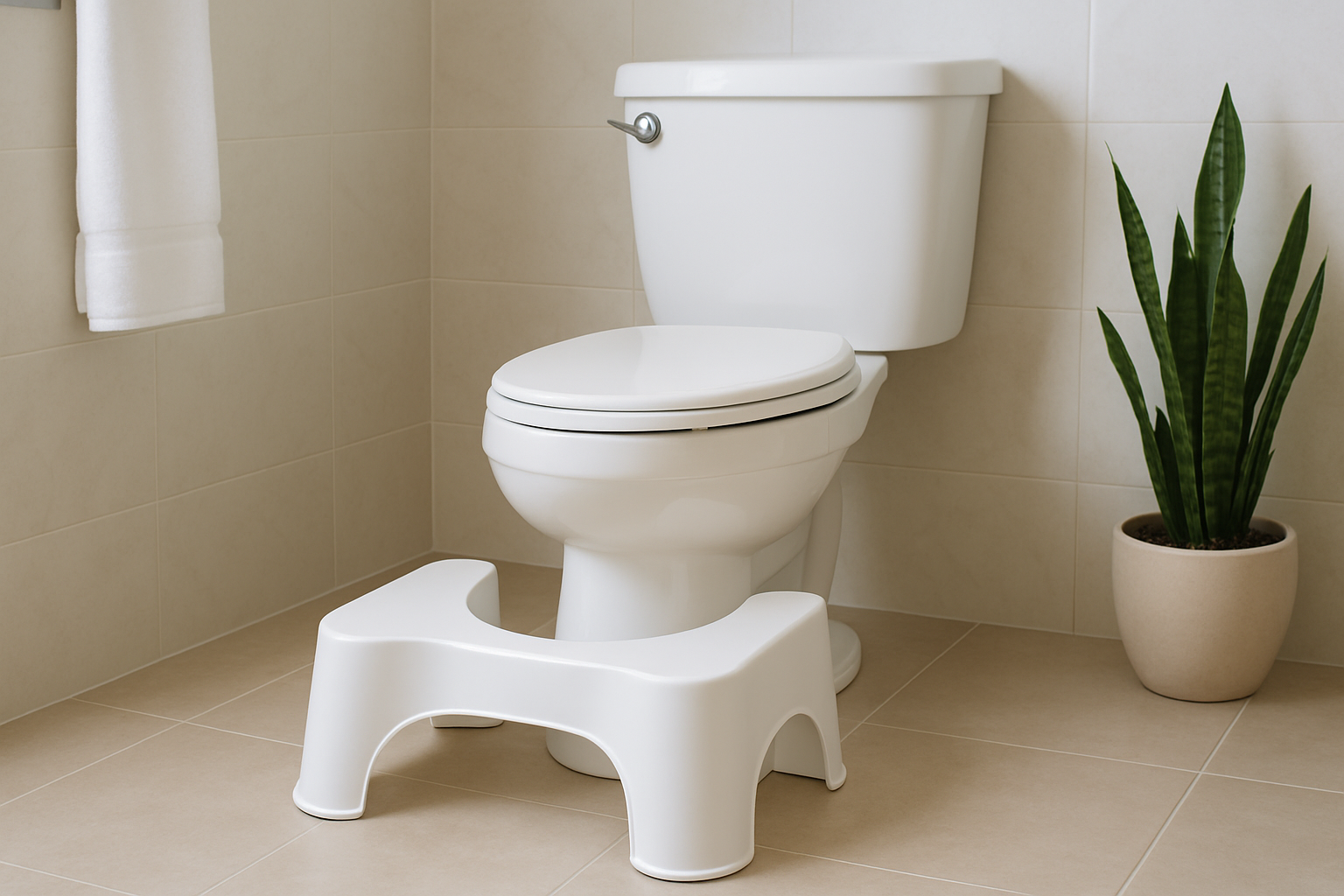
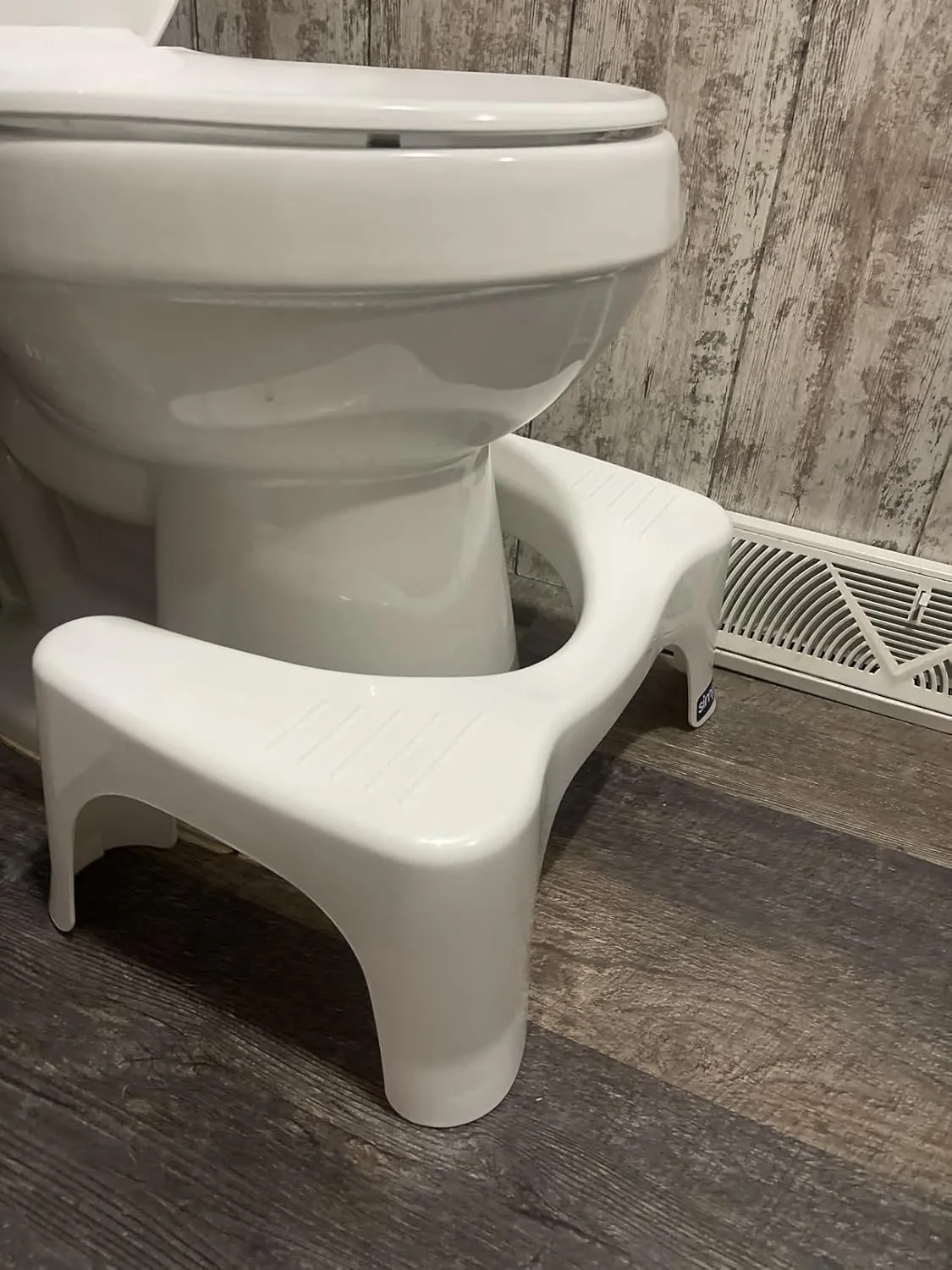
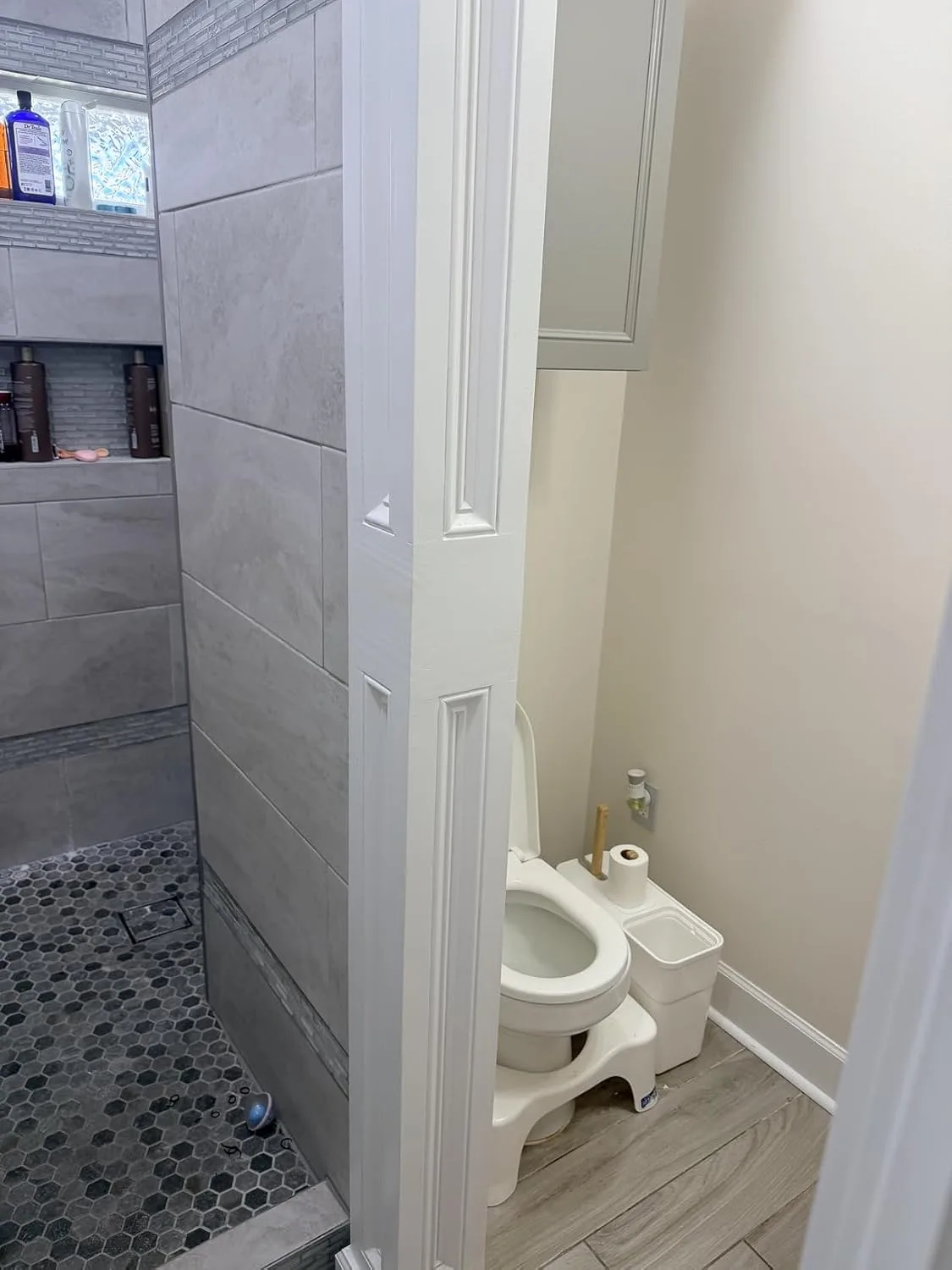
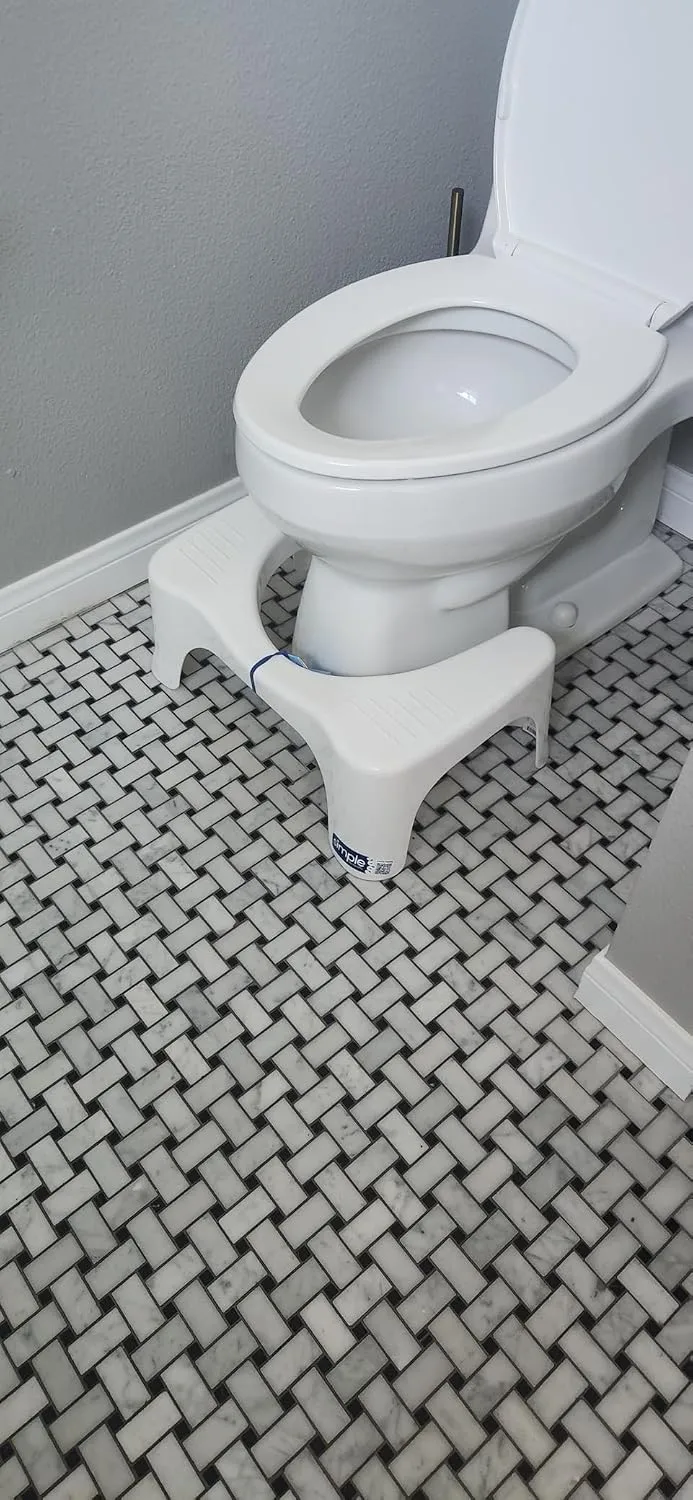
You can prop your feet up on a step stool, a stack of books, or — the purpose-built solution that’s become surprisingly popular — a toilet stool designed specifically for this purpose. These stools slide right under your toilet when not in use, are easy to clean, and are built to be sturdy and stable. I was skeptical at first, but the ergonomic logic won me over.
A few other tips that may help alongside the position change:
- Drink a glass of water first thing in the morning to kickstart your digestive system
- Don’t ignore the urge — going when your body signals is much easier than waiting
- Try to relax your belly rather than bearing down hard
- Give yourself a few weeks to adjust — habits take time to shift
Products Worth Trying
If you want to try the squatting position at home, here are some solid options I’d feel comfortable recommending. There’s something here for every budget and lifestyle.
The Toilet Stool That Actually Restores Pelvic Floor Mechanics
A toilet stool raises your knees above hip height, mimicking the natural squatting position your body evolved to use — and it genuinely changes the angle of your rectum in a way that reduces straining and makes evacuation feel almost effortless. If you’re someone whose constipation or incomplete evacuation persists even with adequate fibre and hydration, this is often the missing mechanical piece.
What works
- Research shows the squatting position straightens the anorectal angle, reducing the muscular effort needed for evacuation — most clients report less straining within 1–2 uses.
- The Squatty Potty’s 7-inch height is ergonomically designed to achieve this angle without requiring you to remodel your bathroom or learn a new skill.
- It’s especially effective for people with IBS-C, pelvic floor dysfunction, or those recovering from constipation who’ve been white-knuckling their toilet routine for years.
What doesn’t
- A toilet stool cannot override a genuinely low-fibre diet or severe dehydration — it’s a tool that works best alongside the basics (adequate water, plant foods, movement).
- If your constipation stems from medication, hypothyroidism, or significant pelvic floor weakness, this alone won’t resolve the root cause and you should have those ruled out by your GP first.
A toilet stool is a biomechanical aid, not a cure for underlying digestive dysfunction — if you haven’t seen a GP about chronic constipation or straining, that should come first. That said, once the basics are in place, this is one of the few interventions I recommend with genuine confidence. Try the Squatty Potty Simple Curve Bathroom Toilet Stool 7″ White.
This post contains affiliate links. As an Amazon Associate, I earn from qualifying purchases at no extra cost to you.
This post contains affiliate links. As an Amazon Associate, I earn from qualifying purchases. This means I may earn a small commission if you click through and make a purchase — at no extra cost to you. I only recommend products I believe in and that are relevant to the topic at hand.