We’ve all been there — standing in the pharmacy aisle, staring at a wall of laxative options with absolutely no idea which one to grab. Senna? Cascara? MiraLax? The cheerful packaging doesn’t exactly explain the differences, and the last thing you want to do is make the wrong call when you’re already uncomfortable. If you’ve ever felt confused, embarrassed, or just plain frustrated by constipation, you’re not alone — and that’s exactly why I put together this laxatives for constipation guide. My goal is to walk you through the most common options, explain how they actually work, and help you figure out what makes sense for your situation.
Understanding the Main Types of Laxatives
Not all laxatives work the same way, and that distinction really matters. Using the wrong type can leave you worse off than before — think cramping, dependence, or that dreaded “urgency” at the absolute worst moment. Here’s a breakdown of the most common categories and what research suggests about how they function.
Stimulant Laxatives: Senna and Cascara
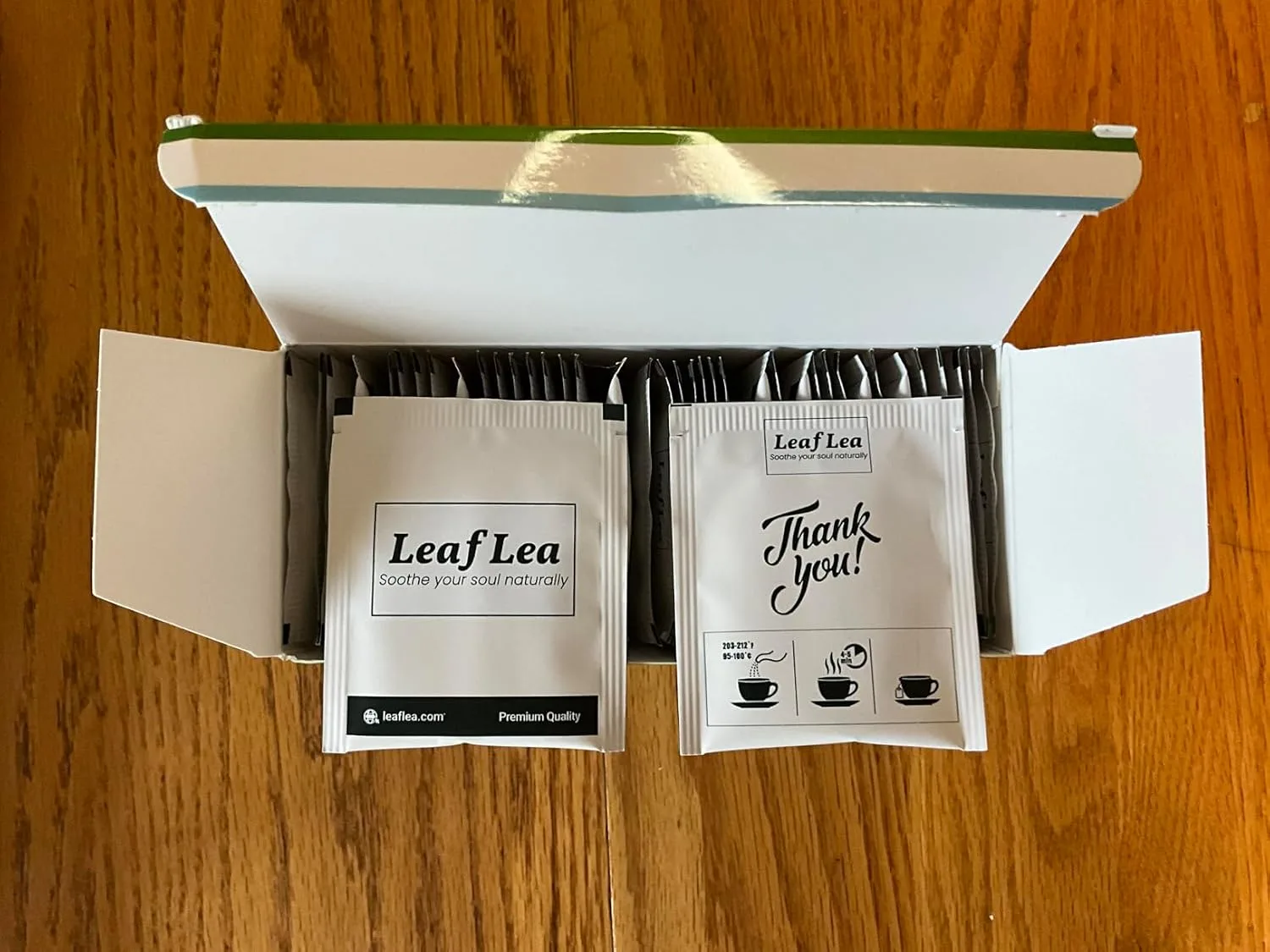
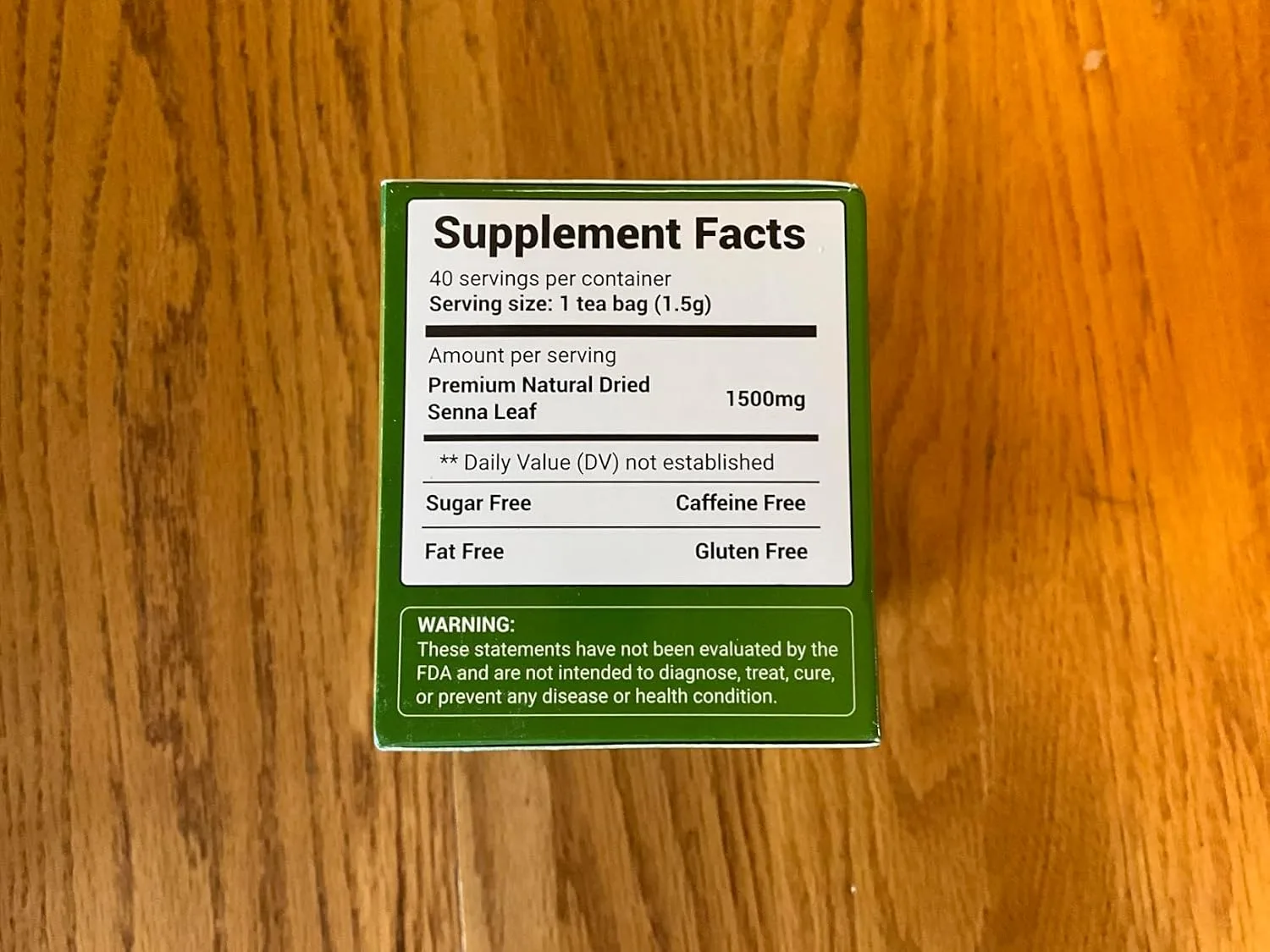
Senna and cascara sagrada are both plant-derived stimulant laxatives. They work by triggering contractions in the muscles of the intestinal wall, essentially nudging your colon to move things along. Senna is derived from the leaves and pods of the Senna alexandrina plant, while cascara comes from the bark of a buckthorn shrub native to the Pacific Northwest.
Research suggests stimulant laxatives like senna are effective for short-term constipation relief — they typically produce a bowel movement within six to twelve hours. Many people find senna tea to be a gentler introduction to stimulant laxatives compared to higher-dose pills, since you can easily control how strong you brew it. That said, stimulant laxatives are generally recommended for occasional use rather than daily reliance. Long-term use without medical guidance may affect how your bowel muscles function over time.
Osmotic Laxatives: MiraLax and Magnesium
MiraLax (polyethylene glycol 3350) works differently — it draws water into the colon, softening the stool and making it easier to pass without stimulating muscle contractions. It’s generally considered well-tolerated and is commonly recommended by gastroenterologists for both short-term and, in some cases, longer-term use under supervision. It typically takes one to three days to work, so it’s not your go-to for immediate relief. Magnesium-based products like milk of magnesia work similarly and many people find them effective for occasional constipation as well.
Bulk-Forming and Fiber Supplements
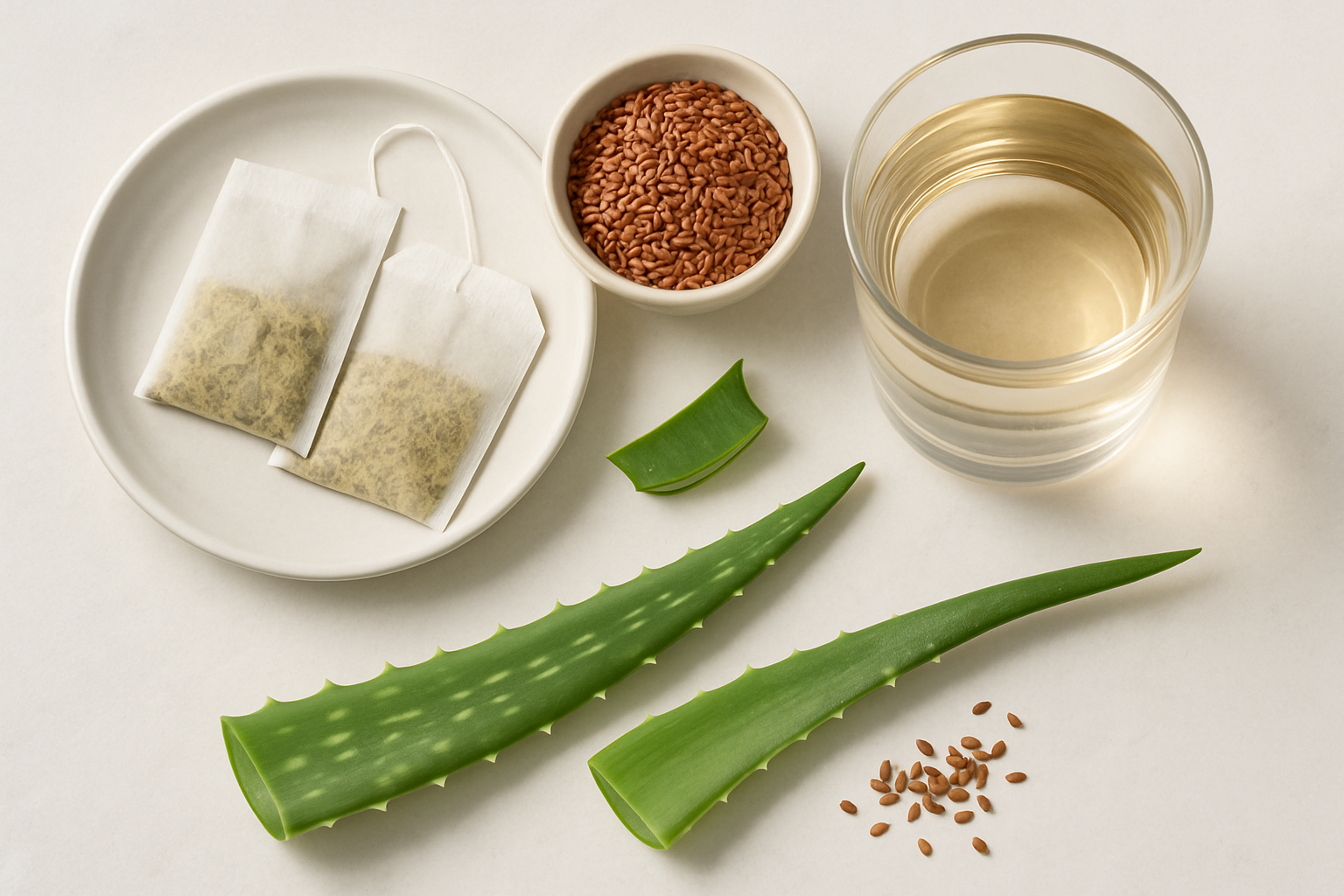
These are the gentlest option and often the first thing worth trying. Products containing psyllium husk (like Metamucil) or ground flaxseed add bulk to your stool by absorbing water, which supports more regular, comfortable bowel movements. They work slowly — usually over one to three days — and are generally safe for everyday use. Ground flaxseed in particular is a personal favorite because it doubles as a nutritious food you can stir into oatmeal or smoothies.
When to Use Laxatives — and When to Hold Off
Here’s the honest truth: laxatives are tools, not long-term solutions. They may support relief in the right context, but reaching for them too quickly — or too often — can sometimes work against you. Here’s how I think about it.
Laxatives may be appropriate when:
- You’re experiencing occasional constipation (fewer than three bowel movements per week) and dietary changes haven’t helped after a few days
- You’ve recently changed your diet, started a new medication, or traveled and your system is temporarily off-track
- You need gentle support after surgery or childbirth (always check with your doctor first)
- You’re using a fiber supplement or stool softener as a daily maintenance strategy recommended by your healthcare provider
It’s worth pausing before using laxatives if:
- You’ve been relying on them daily for weeks without addressing the root cause
- You’re experiencing severe abdominal pain, bloating, nausea, or vomiting — these symptoms warrant a call to your doctor
- You’re pregnant or nursing (always consult your provider before using any laxative)
- You’ve noticed blood in your stool — please see a doctor before self-treating
I always encourage people to look at the bigger picture first: hydration, fiber intake, movement, and stress levels all play huge roles in digestive regularity. Laxatives work best as a bridge, not a foundation.
When Constipation Needs a Gentle But Reliable Push: Senna Tea as a Bridge
If you’re waiting for lifestyle changes to kick in — more water, more fiber, more movement — but you need relief now, senna is one of the few herbal laxatives with genuine clinical support and a track record of working without triggering dependency when used short-term. It’s my go-to recommendation before jumping to prescription options, especially for clients with IBS-C or post-antibiotic constipation.
What works
- Senna stimulates colon muscle contractions through sennosides — it doesn’t just bulk up stool, it actually prompts movement. Most clients see results within 6–12 hours, reliably enough to use on a schedule.
- Tea format is gentler than tablets because you can control strength by steeping time and skip doses easily. Many people find it less crampy than concentrated capsule forms.
- FullChea’s formulation is straightforward — senna leaf, no added stimulants, no sweeteners — which matters if you have sensitivities or are already managing multiple gut symptoms. The 50-bag count makes it genuinely economical for regular use.
What doesn’t
- Senna is NOT a long-term solution. Use it for 1–2 weeks while you address root causes (hydration, fiber, movement). Beyond that, your colon can become “lazy” and less responsive — you’re not addicted, but you’ve trained it to need the nudge.
- If you have active inflammatory bowel disease (Crohn’s, ulcerative colitis) or severe IBS-D with urgency, senna can worsen cramping and frequency. Talk to your GP or gastroenterologist first; this isn’t the right tool for those conditions.
Senna is a bridge, not a destination — it buys you time while you build better habits around fiber, hydration, and routine, but it’s not designed to replace those fundamentals or substitute for medical evaluation if constipation persists beyond 3 weeks. FullChea Senna Tea (50 Teabags) is my pick when clients need a reliable, minimalist formulation they can actually sustain short-term.
This post contains affiliate links. As an Amazon Associate, I earn from qualifying purchases at no extra cost to you.