I am a qualified nutritionist, not a gastroenterologist. The experiences shared here are personal and clinical observations. Always consult your doctor before starting any new supplement or health device, especially if you take medication or have an existing digestive condition.
Why a Gut Health Specialist Started Using a Toilet Stool
After fifteen years advising clients on gut health, I thought I had my own digestion completely figured out. Then perimenopause arrived and quietly dismantled that confidence. My bowel movements — previously reliable as clockwork — became sluggish, incomplete, and genuinely uncomfortable. Before reaching for supplements, I wanted to revisit the fundamentals. That search eventually led me to write this Squatty Potty review constipation sufferers have been asking me about for years.
I had recommended positional changes to clients countless times. Research published in the Journal of Medical Biomechanics confirms that squatting opens the anorectal angle from roughly 90 degrees to approximately 126 degrees. That wider angle reduces the puborectalis muscle’s grip on the rectum, allowing stool to pass with significantly less straining. In theory, the science is compelling. In practice, I had never personally tested it for longer than a few days.
So I committed to a full month. I tracked everything — stool frequency, Bristol Stool Scale scores, straining effort, incomplete evacuation episodes, and morning energy levels. Here is everything I found, honestly.
The Posture Fix That Actually Improves Bowel Emptying Without Supplements
If you’re straining, feeling like you’re not fully evacuating, or experiencing incomplete bowel movements, your toilet posture might be working against you rather than with you. Squatting—or raising your knees higher than your hips—straightens the anorectal angle and relaxes the puborectalis muscle, which is exactly the biomechanics your body needs for efficient elimination.
What works
- The research actually backs this up—studies show elevated leg positioning reduces straining and improves bowel evacuation efficiency, which is especially relevant for clients with IBS-C or constipation-prone patterns.
- Most clients I’ve recommended this to report needing less time and effort on the toilet within the first week, which can genuinely improve quality of life if you’ve been spending 15+ minutes straining.
- Unlike supplements, this is a one-time purchase that addresses the mechanical problem directly—there’s no guesswork about dosing or whether your body will tolerate it.
What doesn’t
- This is not a fix for low fibre intake or dehydration—if your constipation is driven by diet or medication side effects, posture alone won’t solve it. You still need the fundamentals in place.
- If you have pelvic floor dysfunction, hip mobility issues, or balance concerns, check with your GP or pelvic floor physio first—in some cases, a squat position can be uncomfortable or contraindicated.
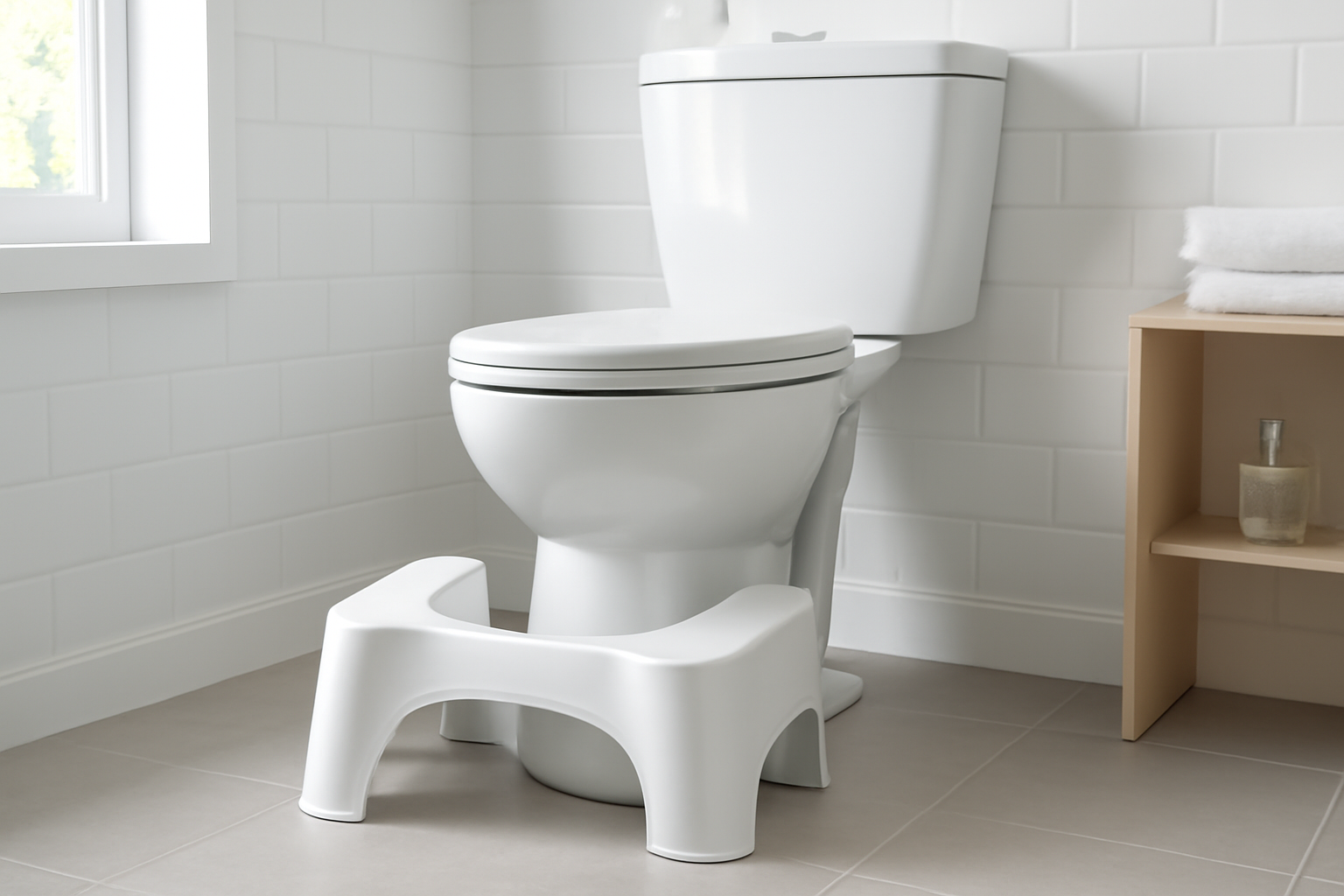
This is a mechanical aid that works best alongside adequate fibre, water, and movement—not instead of them. If your constipation is severe, painful, or accompanied by weight loss or blood, talk to your GP before trying anything new. Squatty Potty Simple Curve Bathroom Toilet Stool 7″ White
This post contains affiliate links. As an Amazon Associate, I earn from qualifying purchases at no extra cost to you.
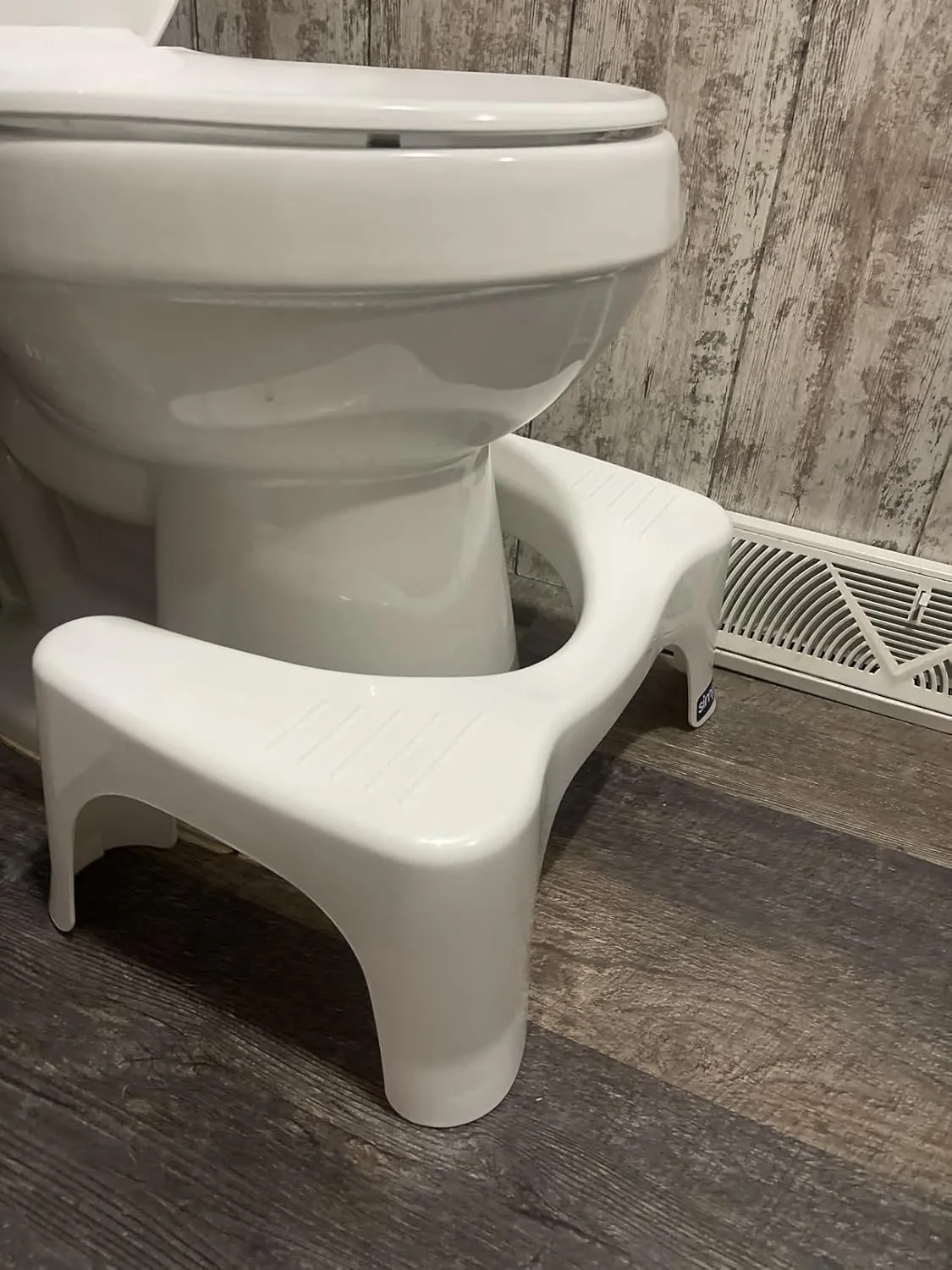
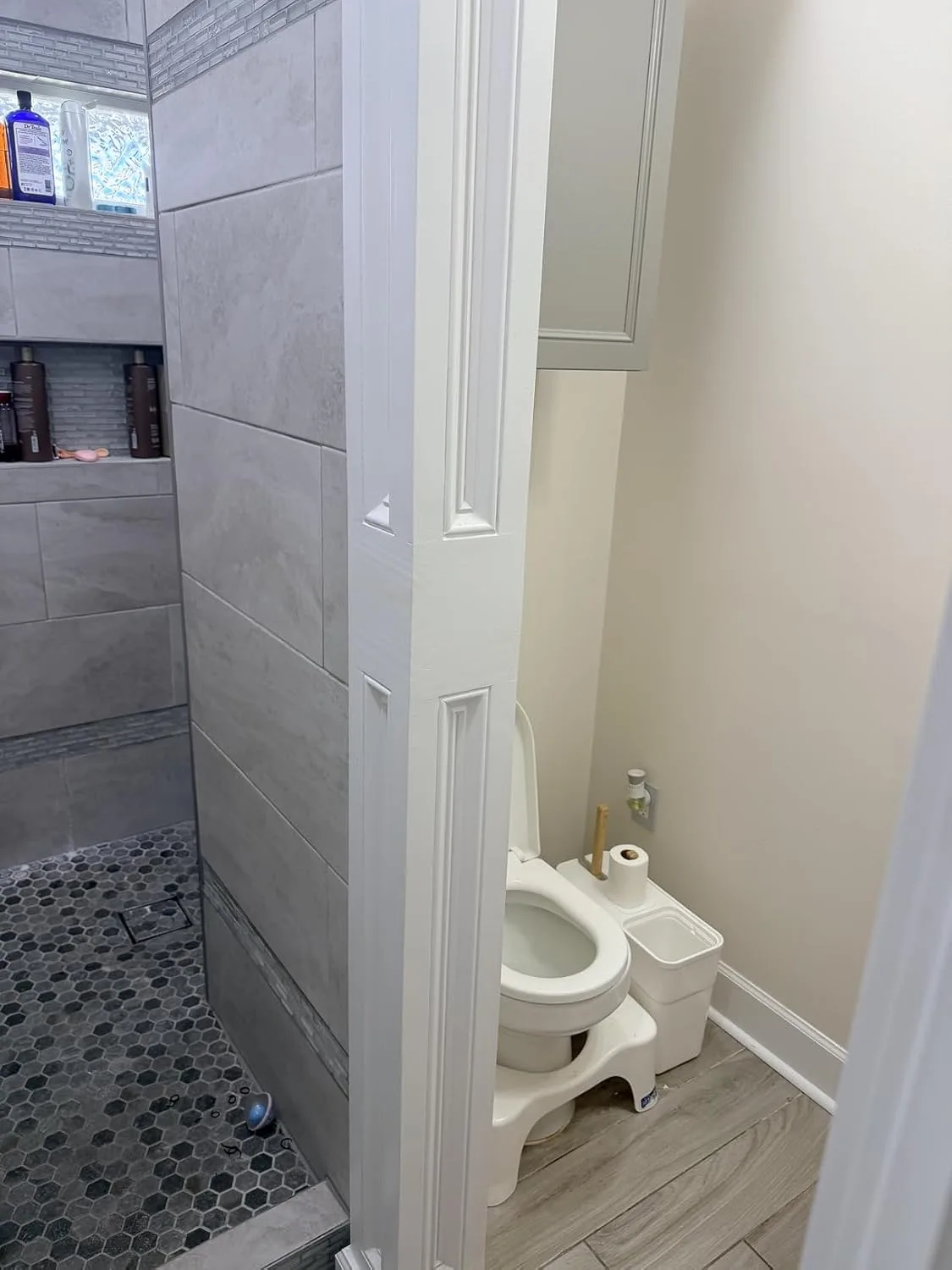
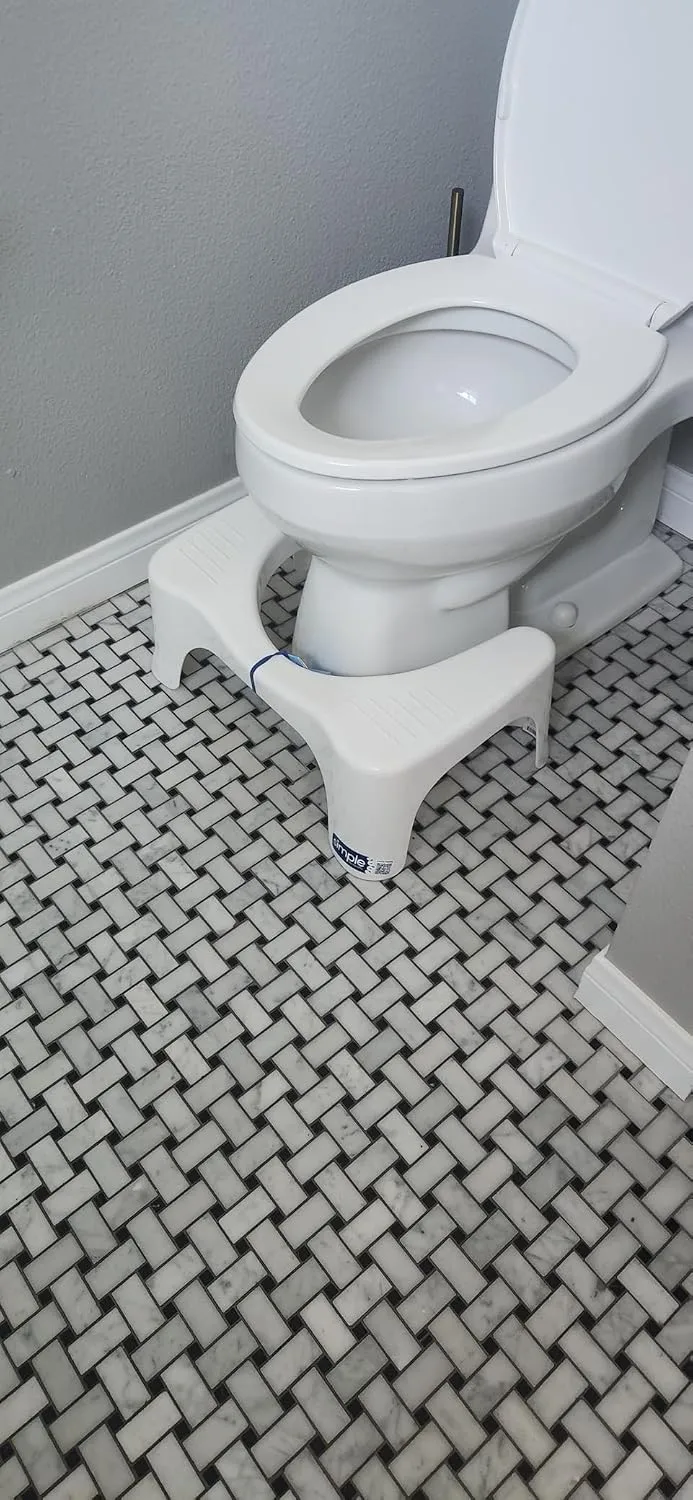
Squatty Potty Simple Curve Bathroom Toilet Stool 7" White
I noticed less effort needed within the first week, and it addressed the mechanical issue without supplements or guesswork.
Check Price on Amazon →This post contains affiliate links. As an Amazon Associate, I earn from qualifying purchases at no extra cost to you.