Many of us simply dismiss the afternoon brain fog and relentless bloating as inevitable signs of aging. We often endure such daily discomfort, attributing it to stress or insufficient sleep. However, that specific 3 PM slump, accompanied by an expanding abdomen and an overwhelming desire to nap, revealed more. These weren’t isolated incidents; they were clear distress signals from my body. This persistent fatigue and discomfort actually stemmed from a deeper issue.
My doctor’s blunt assessment was a turning point. She explained that my gut microbiome, the complex community of bacteria within me, was severely imbalanced. This dysbiosis, she clarified, triggered a cascade of systemic inflammation throughout my entire body. Indeed, this widespread internal inflammation was directly responsible for the brain fog and uncomfortable bloating. My friend Sarah experienced similar issues, finally finding relief after focusing on gut-healing foods. This profound connection between gut health and overall well-being became my primary focus.
Listening to Your Body’s Warning Signals
Your digestive system acts as a central command center for your overall well-being. Source Consequently, when things go wrong, the alarms ring loud and clear. Most people immediately recognize obvious issues like stomach pain or sudden nausea. However, your gut often communicates through much subtler symptoms. For example, chronic fatigue frequently stems directly from poor nutrient absorption in your intestines.
Additionally, unexpected skin breakouts can indicate internal digestive turmoil. Your skin often mirrors the exact state of your internal microbiome. Therefore, persistent acne or eczema might actually represent a gut issue rather than a dermatological one. Furthermore, excessive gas and daily bloating are not just minor annoyances. They actively signal that your digestive bacteria are struggling to break down your food properly.

Your Gut Is Secretly Running Your Emotional Life
Most people blame stress, sleep, or work for their mood problems. However, the real culprit often lives much closer to home — inside your digestive tract. Your gut and brain share a powerful, two-way communication highway called the gut-brain axis.
This connection is far more sophisticated than scientists once believed.
—
The Serotonin Factory You Never Knew You Had
Here’s a surprising fact that changes everything:
- 90–95% of your body’s serotonin is produced in your gut
- Your enteric nervous system contains roughly 500 million neurons
- These neurons communicate directly with your brain via the vagus nerve
Therefore, when your digestive system struggles, your emotional regulation suffers immediately. It’s not metaphorical — it’s pure biology.
—
What an Imbalanced Microbiome Actually Looks Like
An unhealthy gut doesn’t always announce itself loudly. Sometimes the signs are surprisingly emotional:
- Unexplained irritability after meals
- Persistent low-grade anxiety with no obvious trigger
- Brain fog that worsens after eating processed foods
- Sudden sadness or emotional flatness mid-afternoon
My neighbor once described her anxiety as “background noise she couldn’t turn off” — until her doctor discovered severe gut dysbiosis and treated it directly.
—
Consequently, Healing Your Gut Can Transform Your Mood
Research increasingly supports this connection. Furthermore, clinical studies show patients with irritable bowel syndrome report significantly higher rates of depression and anxiety. Once treated, many experience dramatic emotional improvement.
Practical steps worth considering:
- Add fermented foods like kefir, kimchi, or yogurt daily
- Reduce ultra-processed foods that starve beneficial bacteria
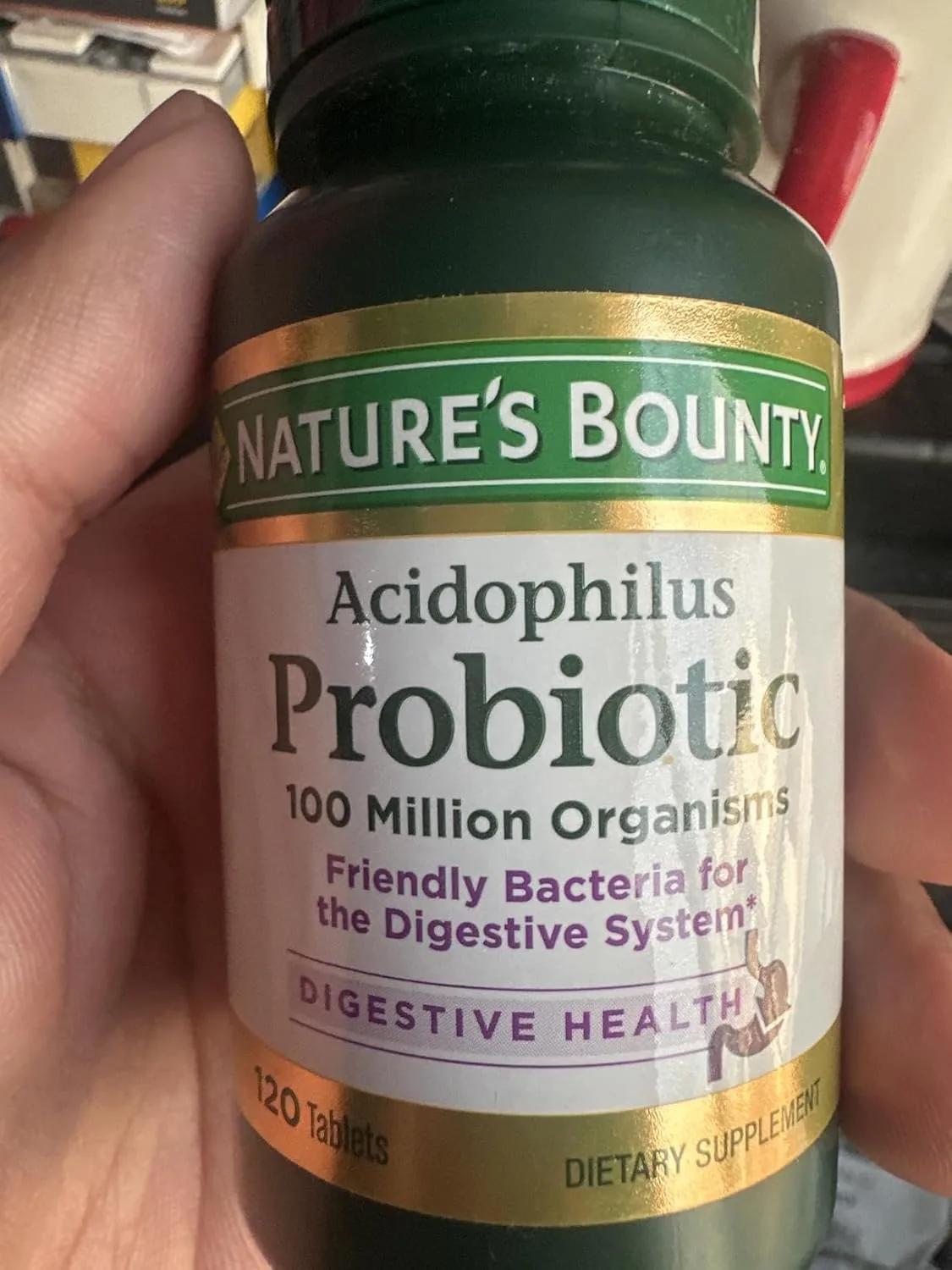
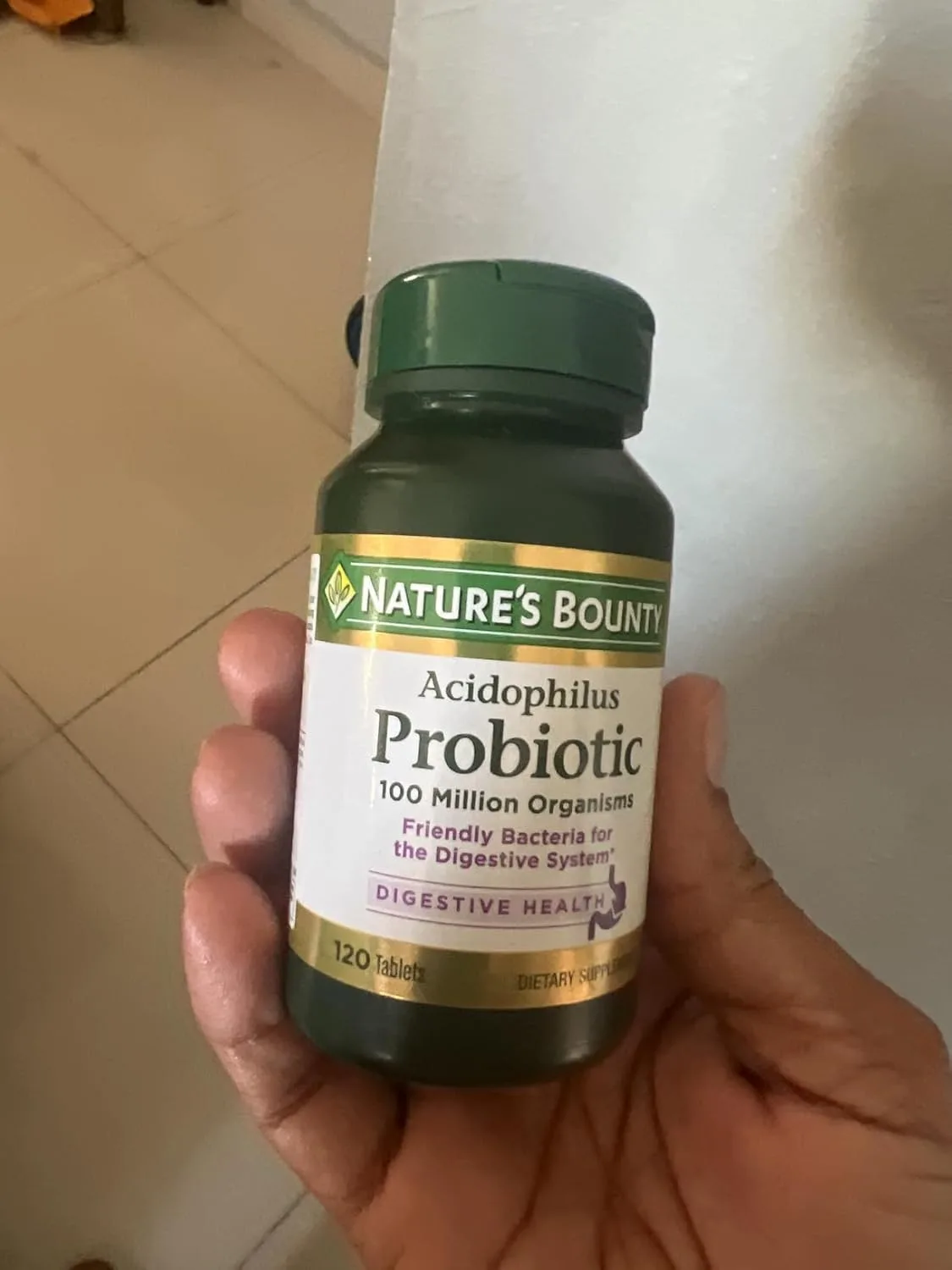
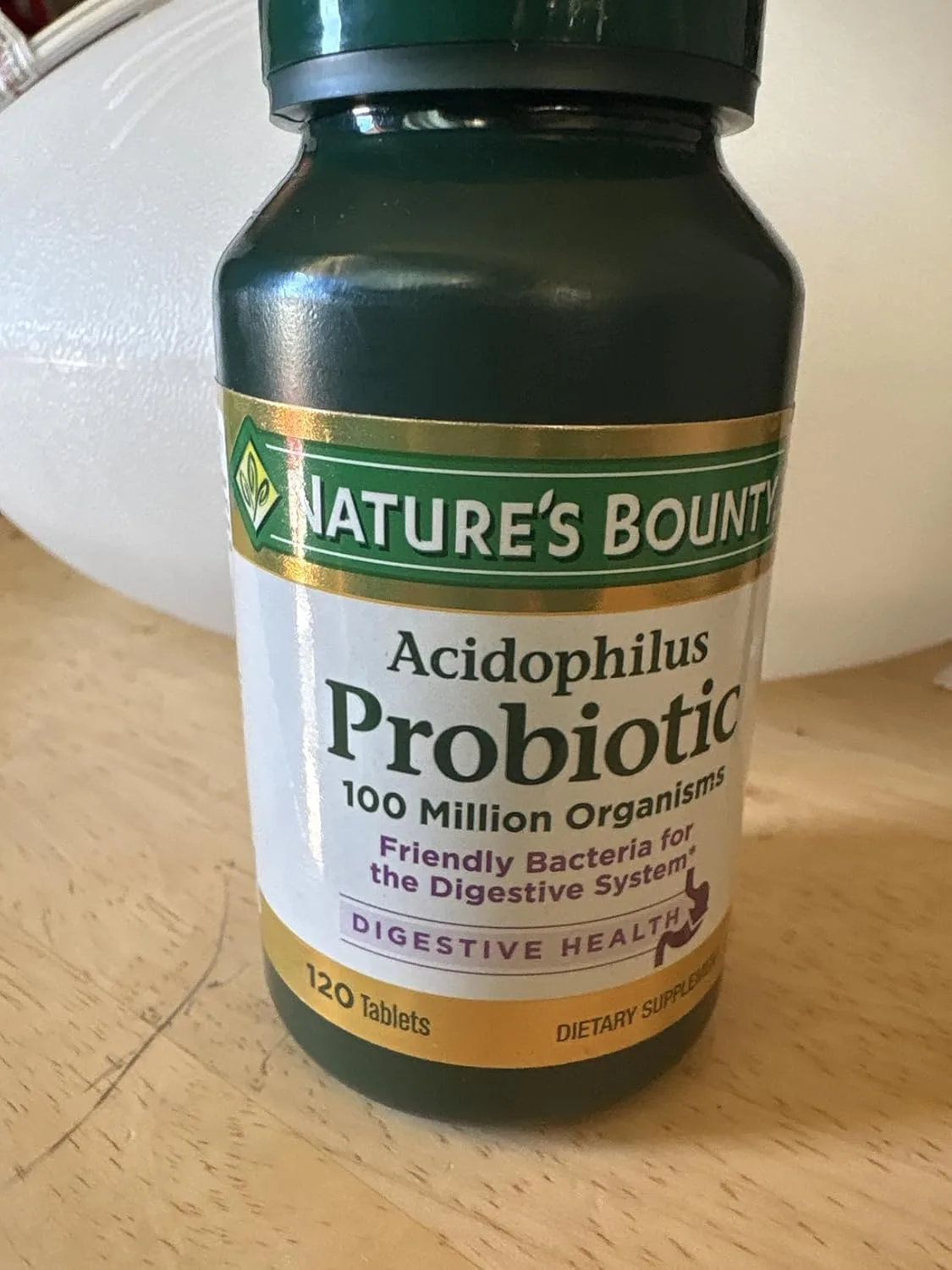
- Consider a quality probiotic containing Lactobacillus strains
- Prioritize fiber from vegetables, legumes, and whole grains
Therefore, treating your gut isn’t vanity — it’s genuine mental healthcare.
Fueling Your Microbiome for Success
You literally build your gut health with every single bite you take. Therefore, dietary choices represent the most powerful tool for digestive restoration. Many modern diets heavily feature processed foods, which actively destroy beneficial bacteria. In contrast, whole foods provide the essential nutrients your microbiome desperately craves. Fiber acts as the primary food source for your good gut bugs.
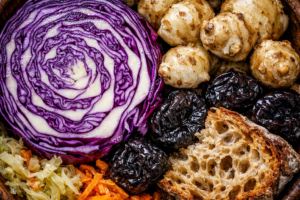
To fix the problem, you must dramatically increase your daily plant intake. Source00754-6) For instance, leafy greens, crunchy carrots, and hearty legumes offer excellent sources of prebiotic fiber. Additionally, fermented foods introduce powerful new bacteria directly into your system. You should regularly eat tangy sauerkraut, spicy kimchi, or creamy kefir.

Our delicate internal ecosystem faces constant challenges from various substances. It’s crucial to understand how these elements impact gut health, moving beyond simple avoidance to proactive elimination.
Harmful Substances & Gut Disruption
Beyond specific culprits, our digestive system faces assault from various sources. Highly processed foods, often laden with unhealthy fats and refined sugars, directly fuel inflammatory pathways. Furthermore, certain medications, especially broad-spectrum antibiotics, indiscriminately wipe out beneficial gut bacteria. This creates a significant imbalance alongside pathogens. This disruption, known as dysbiosis, significantly compromises gut barrier integrity.
The Impact of Artificial Sweeteners
Consider artificial sweeteners; these common additives are far from inert. For instance, compounds like sucralose or aspartame profoundly alter your gut microbiota’s composition and function. They may reduce microbial diversity. This can lead to glucose intolerance in some individuals, despite their zero-calorie nature. Consequently, your gut’s ability to extract nutrients and defend against invaders weakens.
Alcohol’s Damage to the Gut Lining
Excessive alcohol consumption, moreover, goes beyond stripping the stomach’s protective mucus. It directly damages the delicate lining of your intestines, increasing its permeability. This phenomenon, often termed “leaky gut,” allows undigested food particles, toxins, and bacteria to enter your bloodstream. This triggers systemic inflammation and immune responses. Thus, even occasional overindulgence can have lasting consequences on digestive health.
A Sustainable Approach to Gut Health
Achieving optimal gut health, however, does not demand rigid perfection. Instead, focus on consistent, positive choices. My grandmother always said, “Eat your colors,” and that simple wisdom stuck with me. Prioritize crowding out detrimental elements by deliberately incorporating more whole, nutrient-dense foods. This proactive strategy naturally reduces space for less healthy options. It fosters a sustainable path to well-being. For example, embrace a diet rich in diverse plant fibers, like those found in berries, leafy greens, and legumes. These fibers nourish beneficial gut microbes. They produce short-chain fatty acids vital for gut lining health. Additionally, incorporating fermented foods such as kimchi or kefir can reintroduce helpful bacteria. This positive reinforcement builds resilience. It makes healthy eating an enjoyable, lasting habit, far more effective than strict deprivation.
The Crucial Role of Hydration and Sleep
Hydration: The Foundation of a Healthy Gut
Water does far more than quench thirst. It actively moves food particles through your digestive tract efficiently. Without sufficient fluid, your intestinal walls struggle to absorb nutrients properly. Furthermore, digestive enzymes require water to break down proteins, fats, and carbohydrates effectively.
Why dehydration disrupts digestion:
- Slows peristalsis (the muscle contractions moving food forward)
- Hardens stool, creating painful elimination
- Reduces mucus lining protection in your gut
- Impairs beneficial bacteria communication
Fiber Without Water: A Hidden Danger
Many people increase fiber intake expecting immediate digestive improvements. However, dry fiber expands inside your intestines like a sponge. Without adequate water, it becomes a dense, immovable mass. Therefore, every additional fiber gram requires proportionally more hydration.
Aim for eight to ten cups daily as a baseline minimum.
Herbal Teas as Therapeutic Gut Support
Beyond plain water, certain herbal teas deliver remarkable digestive benefits.
Top gut-soothing options include:
- Peppermint tea — relaxes intestinal muscle spasms and reduces bloating
- Ginger tea — accelerates gastric emptying and calms nausea
- Chamomile tea — reduces intestinal inflammation and eases cramping
- Licorice root tea — supports protective stomach mucus production
My grandmother always brewed fresh ginger tea after heavy family meals, insisting it “settled everything down” — turns out she was absolutely right.
Additionally, warm liquids specifically stimulate digestive movement more effectively than cold beverages. Consequently, sipping warm herbal tea after meals supports smoother, more comfortable digestion overall.
Practical tip: Replace one daily coffee with peppermint or ginger tea. You will likely notice reduced afternoon bloating within days.

Additionally, poor sleep habits actively destroy your gut health. Source While you rest, your digestive system finally gets a chance to repair cellular damage. Consequently, sleep deprivation immediately triggers inflammatory responses throughout your entire body. You should aim for seven to eight hours of quality sleep every single night. Establish a calming bedtime routine to ensure your body fully unwinds.
Calming the Gut-Brain Axis
Interestingly, your brain and your digestive tract maintain a constant, high-speed conversation. Scientists call this physical link the gut-brain axis. As a result, mental stress immediately impacts your physical digestion. When you feel anxious, your body completely halts normal digestive processes. This biological reaction perfectly explains why nervous people often experience sudden stomach cramps.

You cannot heal your gut while living in a state of chronic panic. Therefore, stress management becomes absolutely crucial for digestive recovery. Daily meditation can significantly calm your nervous system. Alternatively, a simple ten-minute walk after meals greatly improves digestion. Even deep breathing exercises before eating signal your body that it is safe to digest.
Choosing the Right Digestive Support
Sometimes, food and relaxation alone cannot completely fix a severely compromised gut. Source In these cases, high-quality supplements provide an excellent targeted boost. Probiotics introduce billions of friendly bacteria directly into your digestive tract. However, you must choose a supplement containing multiple diverse strains for maximum benefit.
Meanwhile, digestive enzymes actively help your body break down tough meals. If you struggle with heavy proteins or complex carbohydrates, enzymes offer immediate relief. Furthermore, L-glutamine powder helps repair the delicate lining of your intestinal wall. Consequently, this amino acid prevents harmful toxins from leaking into your bloodstream. Always consult your doctor before starting any new supplement routine.
Taking Control of Your Digestive Health
Healing your gut requires consistent effort and genuine patience. You will not fix years of damage overnight. However, small daily changes compound into massive health improvements over time. Start by simply adding one fermented food to your daily routine. Next, focus on chewing your food thoroughly and managing your daily stress levels.
Ultimately, your body wants to heal itself. You simply need to provide the right environment and the proper building blocks. Listen closely to the signals your stomach sends you every single day. By paying attention, you can finally achieve the vibrant health and boundless energy you truly deserve.
Rebuilding Your Microbiome: Why Lactobacillus Matters When Your Gut Is Depleted
When afternoon bloating and fatigue are your daily normal, your gut microbiome is often already compromised—whether from antibiotics, a restrictive diet, or years of undiagnosed food sensitivities. A quality Lactobacillus-based probiotic can help repopulate the beneficial bacteria that ferment fiber properly and reduce bloating, but only if you choose a strain with actual clinical evidence behind it.
What works
- Lactobacillus plantarum and L. paracasei have the strongest research for reducing IBS-type bloating and abdominal distension—most clients report noticeable improvement within 2–4 weeks of consistent use.
- Shelf-stable capsules with at least 10 billion CFU and a guaranteed potency date perform better than cheap alternatives that lose viability before you open the bottle; you’re paying for bacteria that actually survive to your colon.
- Works best when paired with adequate fiber and fermented foods—the probiotic is a tool to restore balance, not a standalone fix for poor digestion habits.
What doesn’t
- Probiotics don’t work if you’re still eating foods that trigger inflammation in your gut (common culprits: gluten for coeliacs, lactose for the intolerant, or high-FODMAP foods for IBS sufferers)—you have to address the root cause first.
- If you’re taking antibiotics or immunosuppressants, talk to your GP before starting probiotics; timing and strain selection matter, and not all probiotics are safe for everyone.
A probiotic is not a substitute for proper diagnosis—if your bloating and fatigue persist after 4–6 weeks, or if you have a history of C. difficile infection or severe immunocompromise, see your doctor before continuing. If you’re ready to rebuild, start with a probiotic supplement with Lactobacillus that has third-party testing and guaranteed potency.
This post contains affiliate links. As an Amazon Associate, I earn from qualifying purchases at no extra cost to you.