- Cultures for Health Greek Yogurt Starter Culture (Heirloom Style) — This one is a personal favorite recommendation for anyone who wants thick, authentic Greek yogurt at home. It’s an heirloom culture, meaning you can keep reusing it batch after batch. Great for smoothies, tzatziki, parfaits — honestly so versatile.
What Makes These Two Fermented Foods So Special?
Before we get into the head-to-head comparison, it helps to understand what’s actually going on inside these foods. Both kefir and yogurt are fermented dairy products, which means they’ve gone through a process where beneficial microorganisms break down the lactose and proteins in milk. That fermentation process is exactly what gives them their gut-friendly properties — it’s not magic, it’s microbiology.
Yogurt is made by fermenting milk with specific bacterial strains, most commonly Lactobacillus bulgaricus and Streptococcus thermophilus. The result is that thick, creamy, tangy food we all know well. Kefir, on the other hand, is fermented using something called kefir grains — a complex, symbiotic colony of bacteria and yeasts. That distinction matters more than you might think.
Kefir vs Yogurt Gut Health: Breaking Down the Key Differences
Probiotic Diversity and Count
Here’s where kefir tends to pull ahead in most research. A typical serving of yogurt may contain anywhere from 1 to 6 strains of live bacteria. Kefir, because of its more complex grain-based fermentation, may contain anywhere from 12 to 61 different strains of bacteria and yeasts, depending on the source. Research published in the journal Nutrients suggests that this microbial diversity in kefir may support a more varied gut microbiome, and a diverse microbiome is generally considered a hallmark of good digestive health.
That said, more strains doesn’t automatically mean better results for everyone. Many people find that consistent consumption of even a simple, high-quality yogurt makes a meaningful difference in how their digestion feels day to day.
Lactose Tolerance
If dairy and your digestive system have a complicated relationship, this one’s worth paying attention to. Kefir is often better tolerated by people with lactose sensitivity. The fermentation process in kefir tends to break down more of the lactose than standard yogurt fermentation does. Several small studies suggest that people with lactose intolerance experience fewer symptoms when consuming kefir compared to regular milk — and sometimes even compared to yogurt. If you’ve written off dairy entirely because of digestive discomfort, kefir might be worth a careful, gradual reintroduction.
Protein and Nutritional Profile
Greek yogurt has a meaningful edge here. Because of the straining process, Greek yogurt concentrates the protein significantly — often delivering 15 to 20 grams per serving. Kefir is thinner and drinkable, with a lower protein content per cup. If you’re using your fermented dairy as a post-workout recovery option or a protein-rich snack, Greek yogurt may be the more practical choice. Regular kefir, though, tends to win on overall probiotic complexity.
Ease of Making at Home
Both can be made at home, and honestly, I’ve found that making your own gives you far more control over quality and probiotic potency. Store-bought versions sometimes contain added sugars, thickeners, and fewer live cultures than labels suggest — especially if they’ve been sitting on a shelf for a while. Homemade fermented foods tend to be fresher, more potent, and often more affordable over time.
Products Worth Trying: My Recommendations for Making Your Own
If you’re curious about exploring either of these fermented foods more intentionally — especially making them at home — here are some options I’d genuinely point a friend toward.
For Kefir Lovers
- Fusion Teas Milk Kefir Grains + “Milk Kefir Unleashed” eBook — These are fresh, live, active kefir grains that come with a detailed eBook guide. If you’re brand new to making kefir at home, having actual live grains plus solid instructions takes a lot of the guesswork out of it. I love that this option gives you a real education alongside the cultures.
- Cultures for Health Kefir Starter Culture (Freeze-Dried Packets) — This is a great option if you want the convenience of a powder-based starter that works with milk, water, or juice. It can be re-cultured multiple times, and it ferments in less than a day. Perfect for people who want to ease into homemade fermented drinks without committing to maintaining live grains right away.
- Cultures for Health Milk Kefir Grains (Heirloom Style) — These are heirloom-style grains, meaning they’re designed to be reused indefinitely with proper care. Non-GMO and easy to flavor or add to recipes — smoothies, salad dressings, overnight oats, you name it. If you’re in this for the long haul and want a sustainable, cost-effective probiotic source, live grains like these are hard to beat.
For Yogurt Enthusiasts
- Cultures for Health Greek Yogurt Starter Culture (Heirloom Style) — This one is a personal favorite recommendation for anyone who wants thick, authentic Greek yogurt at home. It’s an heirloom culture, meaning you can keep reusing it batch after batch. Great for smoothies, tzatziki, parfaits — honestly so versatile.
- Tags: fermented dairykefir benefits probiotic foods comparison probiotics yogurt gut health
29 March, 2026
0 Comments
1 category
Category: Probiotics & Fermented Foods
Related Posts

I Ate Fermented Foods Every Day for 30 Days: Here’s What Happened to My Digestion
You know that uncomfortable, sluggish feeling after a heavy meal…
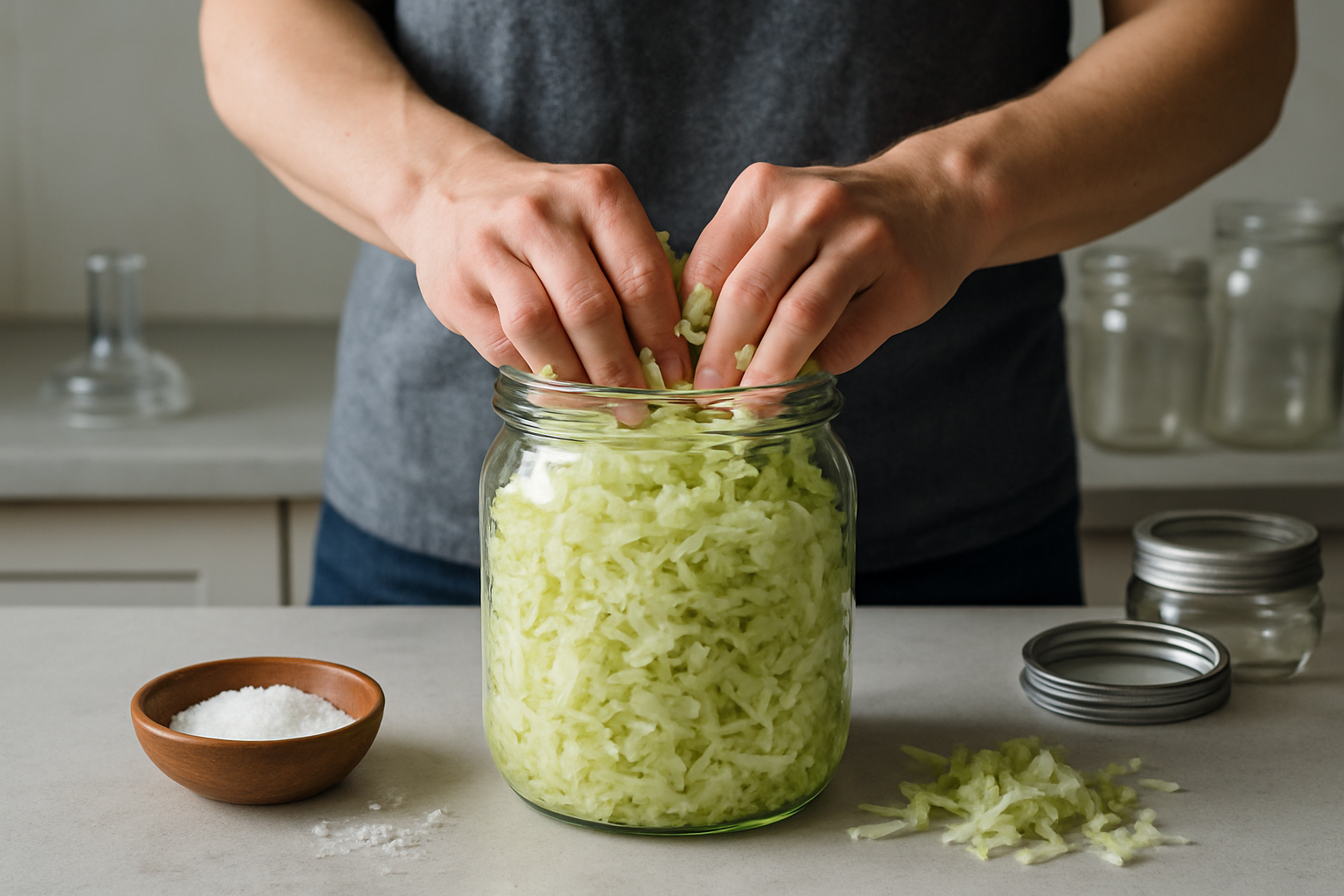
How to Make Sauerkraut at Home: The Easiest Gut Health Habit You’re Not Doing
You know that feeling after a heavy meal when your…

Kombucha: The Hype, The Reality, and Whether It’s Actually Worth Drinking
You've probably stood in the grocery store aisle, staring at…