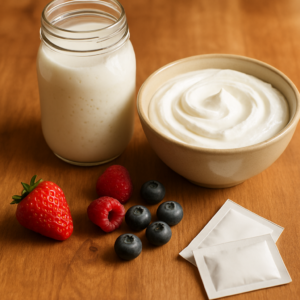
You know that uncomfortable, sluggish feeling after a heavy meal — the bloating, the slow digestion, the sense that your gut is just not cooperating? I lived with that feeling for years. It wasn’t debilitating, but it was constant enough to make me genuinely curious about whether food could actually change things. That’s what led me to a 30-day experiment with fermented foods, and honestly, the fermented foods digestion benefits I experienced were surprising enough that I had to share the whole journey with you.
Why I Decided to Try Eating Fermented Foods Every Single Day
I’d read bits and pieces about gut health for years — the microbiome this, probiotics that — but it always felt abstract. Then I stumbled across a 2021 Stanford study published in Cell that found a high-fermented-food diet significantly increased microbiome diversity and decreased markers of inflammation in participants. That got my attention. Microbiome diversity matters because a more varied gut bacteria community is generally associated with better digestive resilience and overall health. I thought: what do I have to lose? I committed to 30 days of intentional, daily fermented food consumption and kept notes along the way.
What I Actually Ate (And How I Built the Habit)
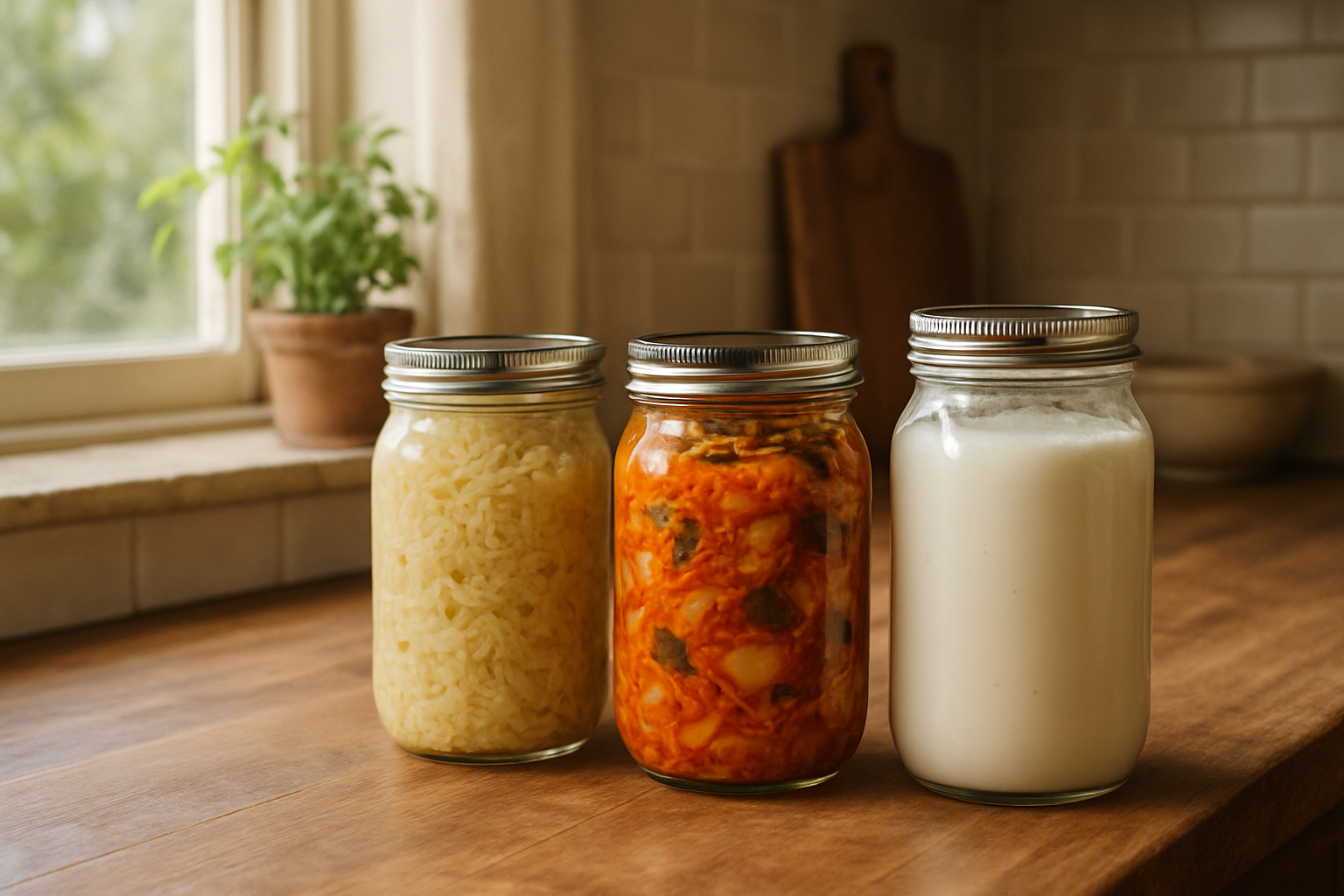
I want to be upfront: I didn’t overhaul my entire diet. I simply added fermented foods to what I was already eating each day. Some days that looked like a scoop of sauerkraut alongside my eggs at breakfast. Other days it was a glass of kefir in the morning, a few spoonfuls of kimchi at lunch, or a small serving of plain yogurt with dinner. The goal was consistency, not perfection.
Here’s a rough breakdown of the fermented foods I rotated through:
- Sauerkraut — raw, unpasteurized from the refrigerator section (not the shelf-stable kind, which is typically heat-treated and loses live cultures)
- Kimchi — a staple by week two; I genuinely started craving it
- Milk kefir — tangy, slightly fizzy, and incredibly easy once I started making my own at home
- Plain live-culture yogurt — the most accessible option for busy mornings
- Kombucha — used sparingly as an afternoon treat
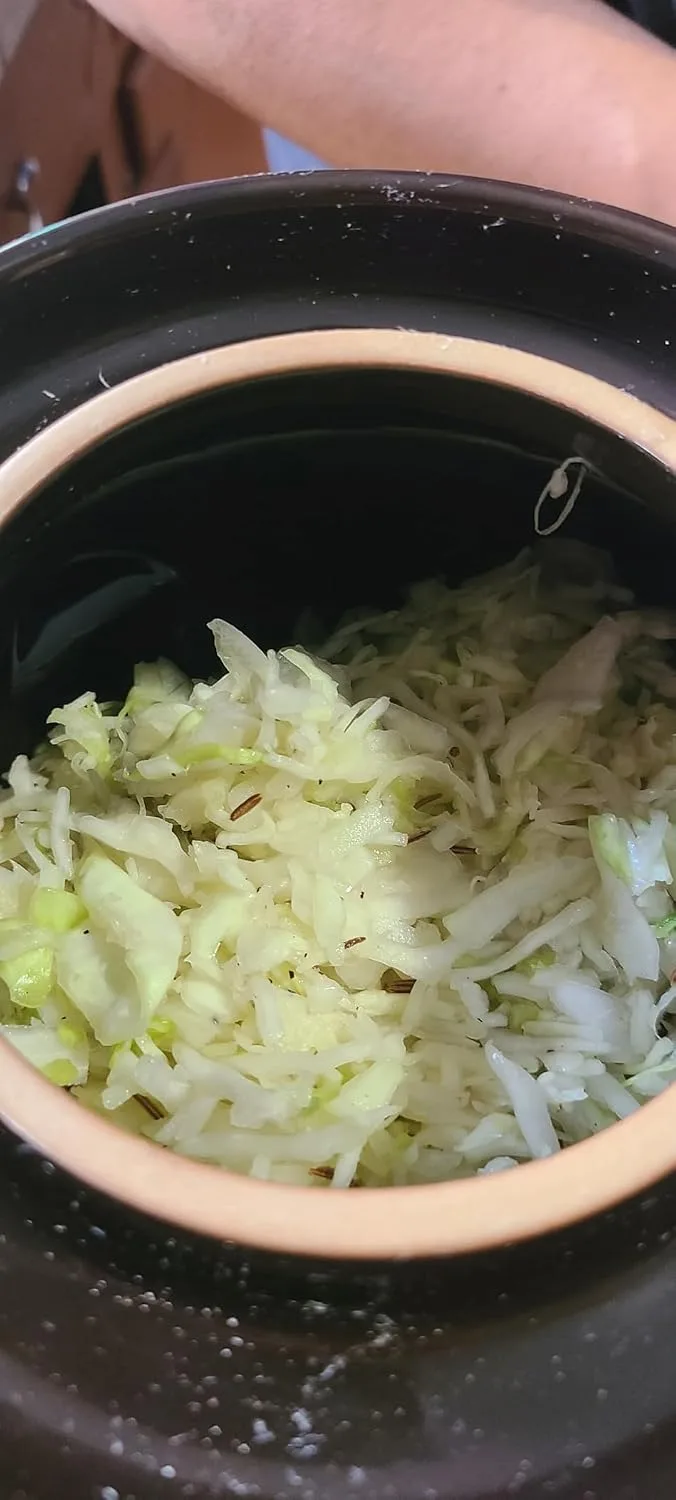
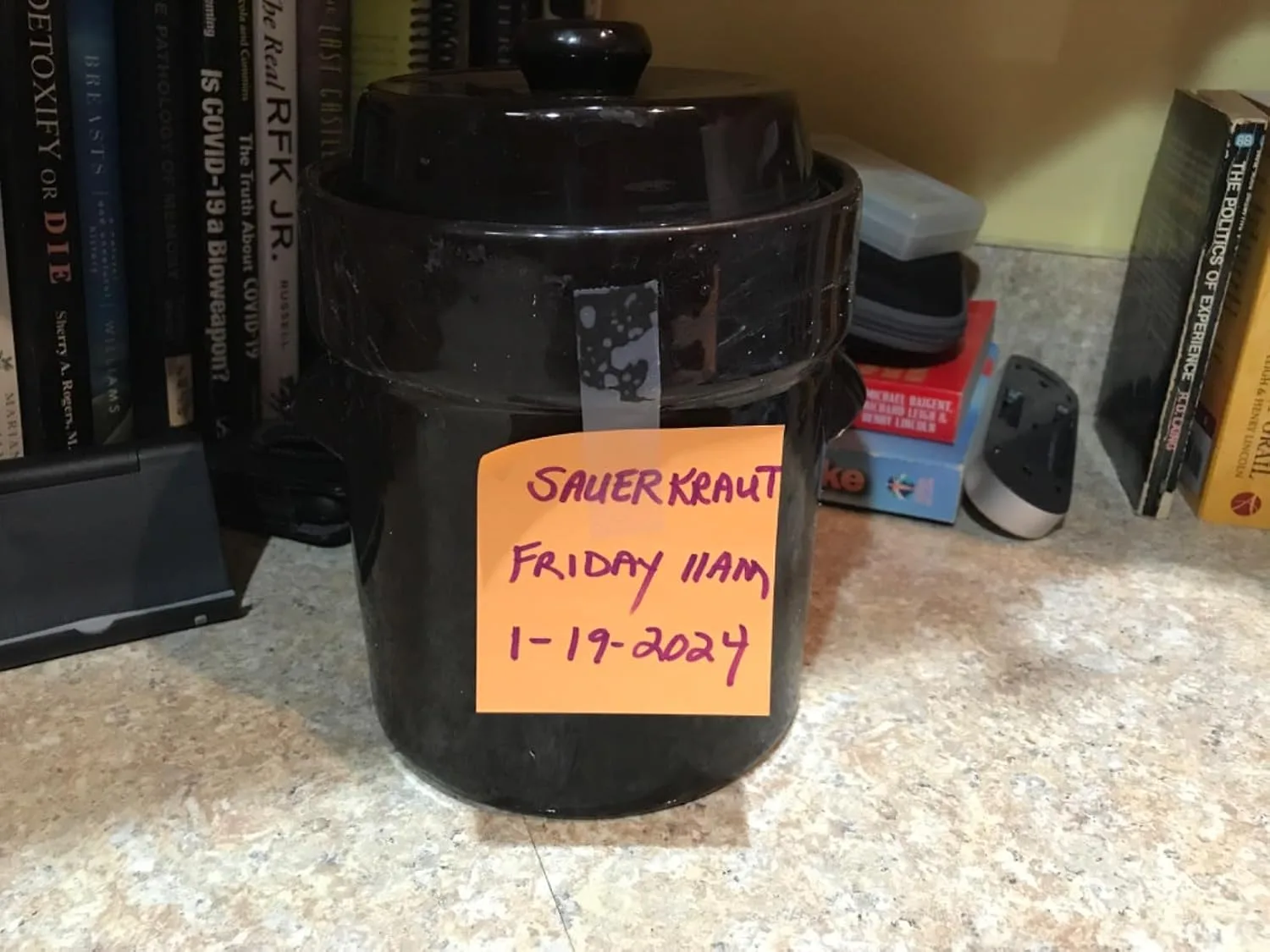
By week two, I made a shift that changed everything: I started making my own fermented vegetables at home using a traditional fermentation crock. I’ll talk more about that below, but the short version is that homemade lacto-fermented vegetables are surprisingly simple, much more affordable than store-bought, and deeply satisfying to make.
The Fermented Foods Digestion Benefits I Noticed Week by Week
Week One: A Little Rough, Then a Little Better
I’ll be honest — the first few days were not magical. I noticed some extra gas and mild bloating, which, after a bit of research, I learned is pretty common when you’re introducing new live cultures to a gut that isn’t used to them. Research suggests this adjustment phase is temporary for most people as the gut microbiome begins to shift. I scaled back slightly and gave my body time to catch up. By day five or six, things started to smooth out noticeably.
Week Two: The Bloating Shift I Didn’t Expect
This is where things got interesting. The chronic post-meal bloating I’d grown so used to started to ease. I wasn’t waking up with that tight, inflated feeling in my abdomen nearly as often. My digestion felt more regular and, honestly, more predictable. Many people find that consistent consumption of foods rich in live bacterial cultures may support a healthier gut environment over time — and I was starting to understand why firsthand.
Weeks Three and Four: Energy, Mood, and Gut Comfort
By the final two weeks, I noticed something I hadn’t anticipated: my energy levels felt more consistent throughout the day. I wasn’t experiencing that heavy, foggy feeling after lunch as intensely as before. Research suggests the gut-brain axis — the communication network between your digestive system and your brain — may be influenced by the composition of your gut microbiome, which could help explain mood and energy shifts some people report. I’m not saying fermented foods fixed my life, but the combination of better digestion and feeling lighter after meals absolutely made a difference in my day.
The Practical Tool for Building a Consistent Fermented Foods Habit
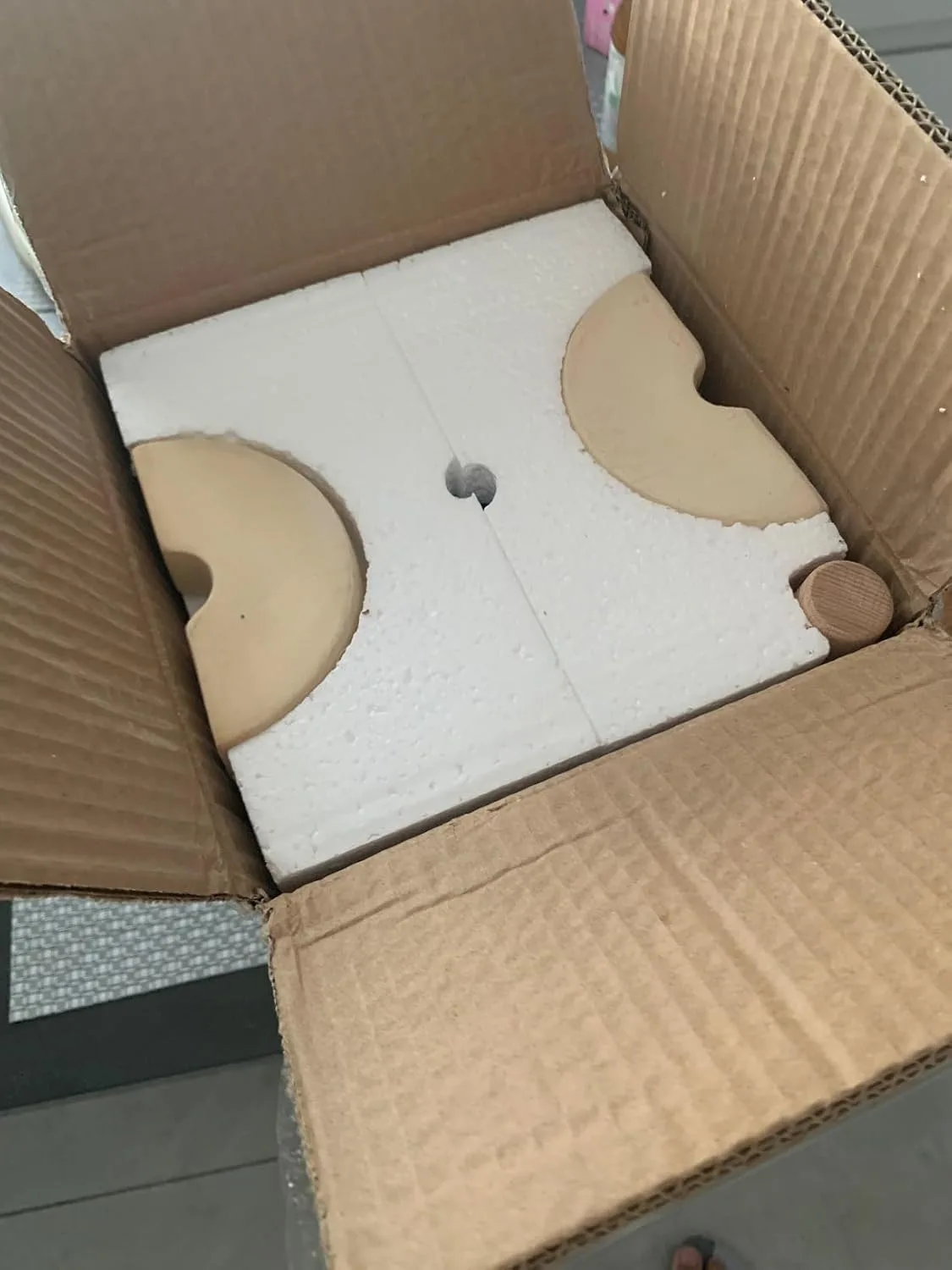
If you’re serious about adding fermented vegetables to your daily routine, having the right equipment removes the biggest barrier: not knowing where to start. A dedicated fermentation crock makes the process foolproof and keeps your batch separate from your fridge clutter—which means you’re actually more likely to eat it regularly.
What works
- The weighted lid keeps vegetables submerged automatically, which prevents mold and removes the guesswork that stops most people from trying fermentation at home.
- Smaller batches (½ gallon) mean fermented vegetables are ready in 3–7 days rather than weeks, so you see results and stay motivated to keep the habit going.
- Clients who can see their ferment actively bubbling and changing report higher compliance—there’s something psychologically satisfying about watching the process, which translates to consistent intake over 30 days or longer.
What doesn’t
- Fermentation equipment alone won’t fix digestive issues if you’re not actually eating the finished product regularly—the crock is just the enabler, not the medicine.
- If you have SIBO or severe histamine sensitivity, fermented vegetables can worsen symptoms; this tool is only helpful if fermented foods are already part of your tolerated diet.
Remember that fermentation is a food, not a pharmaceutical—it takes consistent intake over weeks to notice digestive shifts, and it won’t replace medical treatment if you have inflammatory bowel disease or other serious conditions. Start with the ½ Gallon Fermentation Crock Kit if you’re new to this; it’s the ideal size for testing whether fermented foods actually work for your digestion without overcommitting.
This post contains affiliate links. As an Amazon Associate, I earn from qualifying purchases at no extra cost to you.
This post contains affiliate links. As an Amazon Associate, I earn from qualifying purchases. This means if you click a link and make a purchase, I may earn a small commission at no extra cost to you. I only recommend products I genuinely find useful.