More than a few people walk into this exact trap: the sensation of low stomach acid mirrors excessive acid almost perfectly. Both spark burning, bloating, and general discomfort. Yet they call for entirely opposite treatment paths — so mistaking one for the other creates real problems. If you’ve recently searched your symptoms and wondered whether a low stomach acid self-assessment might illuminate what’s happening, this guide exists for precisely that reason.
Throughout my years helping other people with digestive concerns, I witness this misunderstanding play out repeatedly. Many arrive having spent months or even years self-medicating with acid suppressants, only to discover their symptoms stubbornly linger or gradually intensify. When exploration goes deeper, an entirely distinct pattern typically reveals itself. The assessment tool and scoring framework below cannot stand in for a medical diagnosis, yet they function as a useful stepping stone for asking better questions about your own body.

The Low Stomach Acid Symptom Checklist
Move through each item thoughtfully and track your responses as you work. The items below reflect the symptom clusters I encounter most regularly in my experience and those that appear across functional nutrition research on hypochlorhydria (the technical designation for diminished stomach acid output).
- After finishing a meal, does your stomach feel weighted, sluggish, or distended beyond what seems normal?
- Within sixty minutes of eating, do you notice yourself burping or eructating repeatedly?
- Have you noticed partially processed food particles visible in your bowel movements?
- When you take mineral or B-complex supplements, do they trigger queasiness or stomach upset?
- Have you taken acid-lowering medications or proton pump inhibitors regularly over an extended period?
- Have bloodwork results shown insufficiency in B12, iron, or zinc despite a nutritionally adequate diet?
- Do you notice that stomach discomfort or burning sensations actually subside when you consume apple cider vinegar or fresh citrus juice?
- Do your fingernails show signs of weakness or splitting, does your hair appear thinner or more fragile, or do you wrestle with persistent low energy?
- Do you find yourself catching gastrointestinal illnesses or food-borne pathogens unusually often? (Stomach acid acts as a crucial microbial barrier.)
- Are you in your fifth decade or beyond? (Acid secretion naturally decreases across the lifespan.)
Assign yourself one point per “Yes,” then locate your total in the interpretation section that follows.
How to Interpret Your Score
0–3: Reduced stomach acid does not appear to be your central concern, though any lingering symptoms warrant mentioning to your doctor. Alternative digestive factors—such as gastric emptying rates, reactive food sensitivities, or the role of emotional stress—might deserve focused attention from a trained practitioner.
4–6: Your responses align moderately with the low stomach acid profile. Nutrition-based strategies and targeted digestive aids merit consideration. What I communicate to other people in this range is that your score functions as an invitation to cultivate greater awareness — log how your body responds following meals, note which foods trigger symptoms, and observe stress patterns before deciding on any interventions.
7–10: Your pattern aligns closely with hypochlorhydria characteristics and warrants conversation with a medical provider before initiating any acid-restoring strategy — particularly if you take prescription or over-the-counter medications. When someone I work with lands in this tier, my standard approach is to first explore whether medical causes warrant attention before introducing nutritional support.

What These Responses Reveal About Digestion
Hydrochloric acid (HCl), the predominant acid your stomach manufactures, performs functions that extend well beyond initial food breakdown. It jumpstarts pepsin, the principal enzyme tasked with fragmenting protein molecules, and it sustains the specific pH environment needed to absorb essential micronutrients such as cobalamin (B12), iron, calcium, magnesium, and zinc. When your stomach does not generate sufficient acid, partially digested proteins push into your intestinal tract prematurely, promoting bacterial fermentation, gas accumulation, and the dense, uncomfortable fullness the people I hear from consistently report post-meal. This reality also clarifies why mineral and vitamin shortfalls can persist in individuals whose diets are genuinely sound and varied.
The opening paradox warrants deeper attention here, as I always unpack this carefully with people before they select an intervention. When the lower esophageal sphincter—the muscular gate separating your food pipe from your stomach—remains incompletely sealed, even modest quantities of gastric acid generate burning and backward flow. Notably, many functional health frameworks propose that low acid itself contributes to weakened sphincter closure, since sufficient acidity participates in the neurological signaling that prompts that muscle to contract completely. Therefore, low acid and reflux-style discomfort can absolutely coexist in the same person.
The protective function of acid is equally consequential yet frequently overlooked in conversations around reflux. Stomach acid represents your body’s initial barricade against harmful organisms—it neutralizes a substantial share of pathogens, parasites, and unwanted microbes that enter through the foods and fluids we consume. Should acid secretion remain persistently diminished, this defensive mechanism deteriorates. This is precisely why question nine—the frequency of food poisoning events or acute stomach infections—carries genuine diagnostic significance. From what I observe in my experience, people reporting high numbers of such infections frequently exhibit a wider constellation of upper digestive dysfunction deserving systematic attention.

Additional Assessment Resources for Digestive Clarity
This self-assessment offers a practical entry point, but deepening your investigation proves worthwhile if you want comprehensive understanding. The two external tools below deserve bookmarking. One helps you pinpoint your digestive phenotype; the other supports differentiation between typical acid reflux and patterns suggestive of diminished stomach acid before proceeding further.
- Healthy Gut Company Low Stomach Acid Quiz — a streamlined three-minute assessment that classifies your digestive archetype and connects your symptom constellation directly to low stomach acid indicators. A useful extension of the checklist presented above.
- MedicineNet GERD Quiz — an educational assessment particularly suited to eliminating conventional reflux disorder from your diagnostic picture before investigating further. Clarifying what your situation is not holds equivalent worth to discovering what it actually is.
Betaine HCl: The Primary Support Strategy for Confirmed Low Stomach Acid
When your self-assessment strongly suggests low stomach acid, betaine HCl represents my go-to option—a direct supplement that temporarily elevates stomach acidity during digestion, facilitating protein breakdown and micronutrient uptake. This approach succeeds because it tackles the fundamental mechanism, rather than suppressing manifestations the manner acid-blocking agents do.
Why this works
- Within one to two weeks, many individuals working with me report that protein digestion feels markedly improved, accompanied by diminished bloating and a tangible sense that meals are truly being processed.
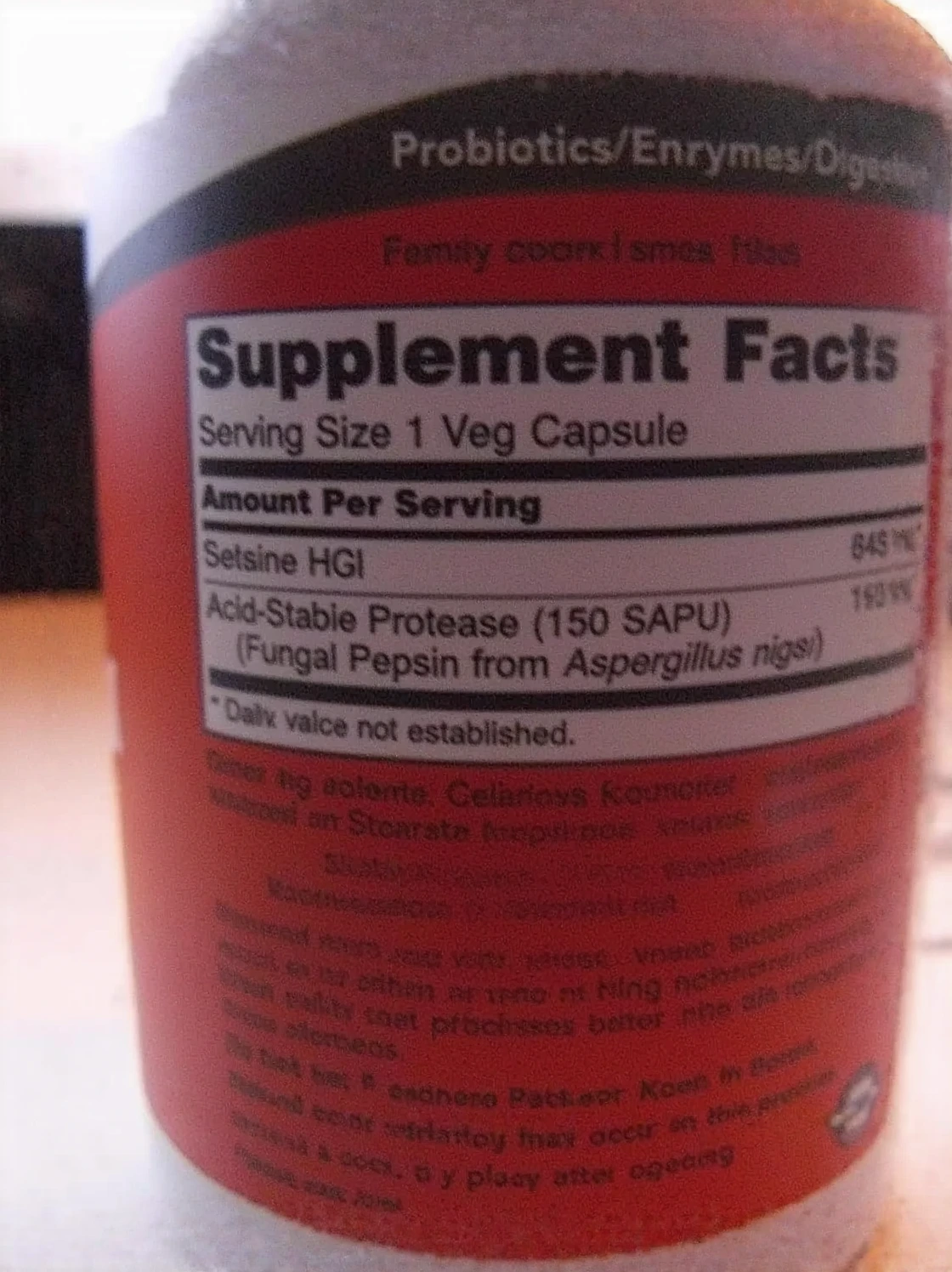
- The NOW Foods version combines HCl with pepsin (the protease enzyme), which cooperates with the acid to replicate what functioning stomach physiology accomplishes—producing superior outcomes versus standalone HCl products.
- It carries vegetarian status, remains budget-friendly, and requires no prescription authorization, establishing it as a straightforward starting point before pursuing specialized gastric testing.
Important limitations and contraindications
- Do NOT use this if you currently take acid suppressors, proton pump inhibitors, or histamine-2 receptor antagonists — combining supplemental acid with medications that block acid creates a dangerous contradiction and can cause injury. Your doctor will need to guide a careful discontinuation of any acid-suppressing medication before you begin.
- If you carry diagnoses of erosive ulceration, stomach inflammation, or inflammatory intestinal conditions (including Crohn disease or ulcerative colitis), betaine HCl carries substantial risk of further irritating the mucosal barrier — bypass this strategy and collaborate with your physician to identify the actual drivers of your symptoms instead.
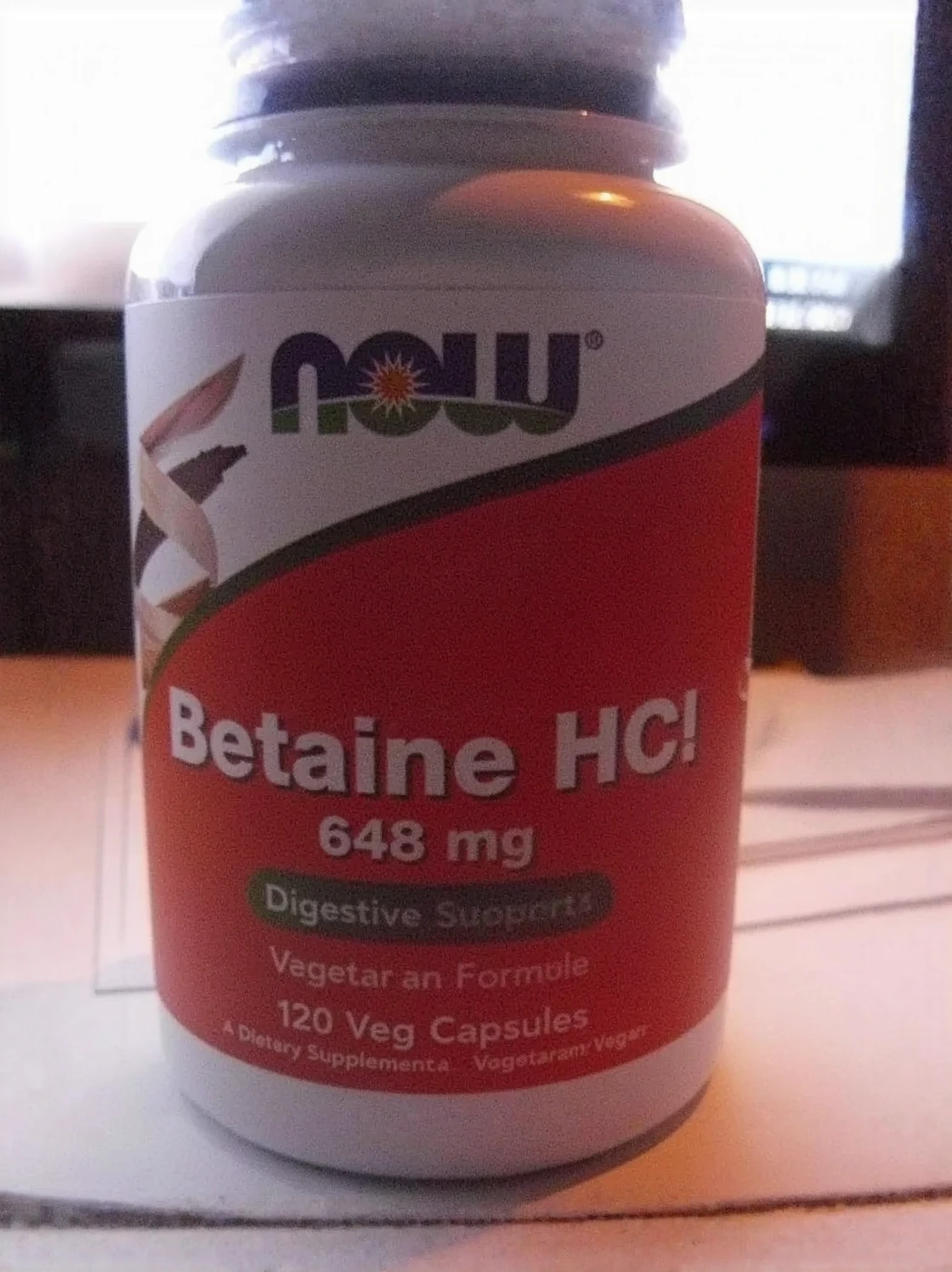
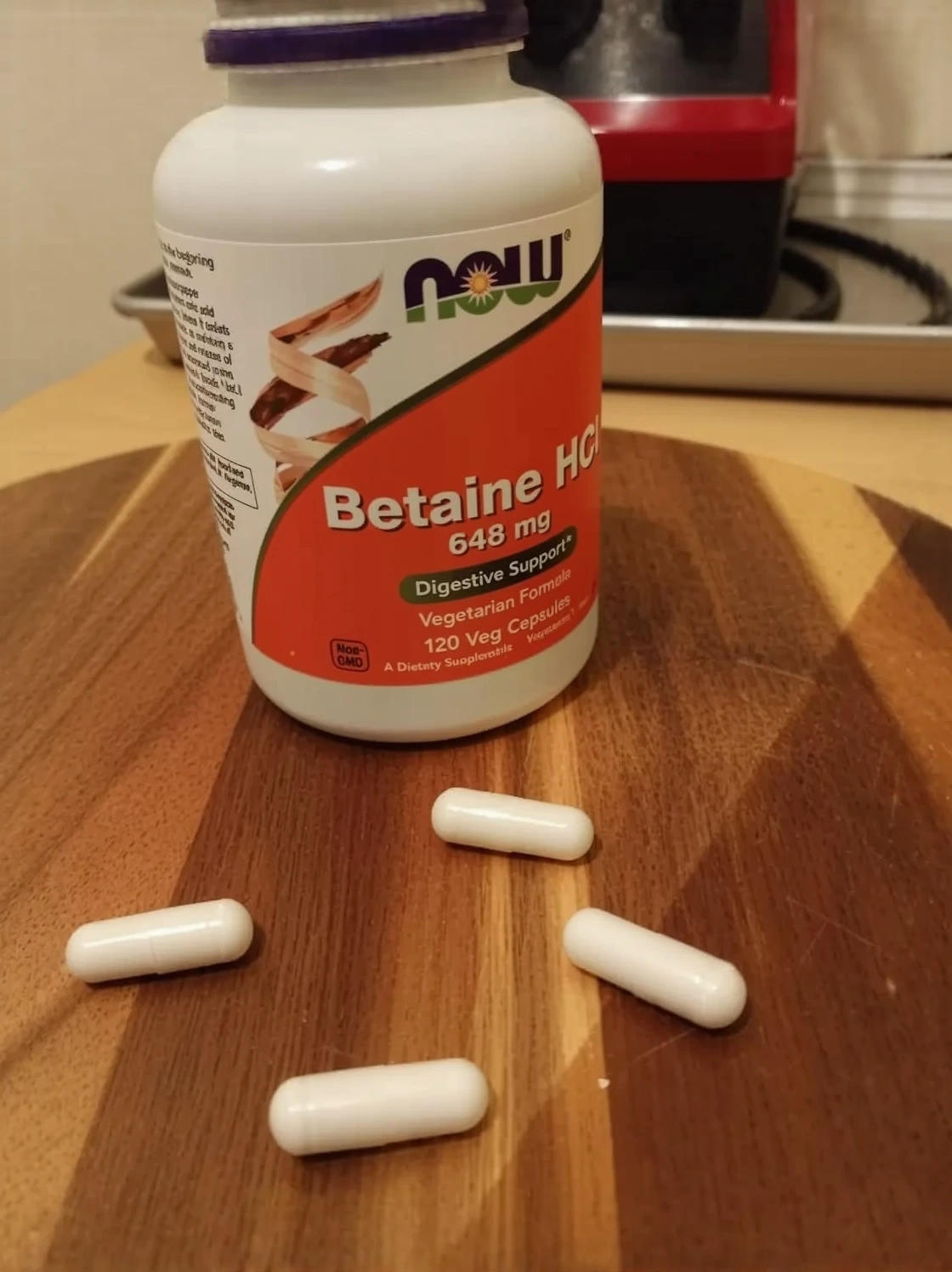
Betaine HCl works best as a temporary support while you address underlying causes—it’s not a permanent fix, and if your low acid is rooted in autoimmune issues or chronic atrophy, you’ll need proper medical investigation alongside this tool. If you’re ready to try it, start with NOW Foods Betaine HCl 648 mg Vegetarian Formula at the lowest dose and increase gradually as tolerated.
About This Article

Written by Alex Mercer. Alex Mercer has lived with IBS since childhood and isn't a nutritionist or a doctor. After years of being told he was anxious or would grow out of it, he spent more than 12 years reading the research properly, and now shares what he has learned with the family, friends and support-group members who come to him with the same questions. He translates peer-reviewed research into practical, honest advice, and is always upfront about what the evidence does and does not show. More about this site.
Scope and limits. Alex is not a doctor, dietitian, or nutritionist, and nothing here is medical advice. Talk to a clinician before changing your diet, starting a supplement, or acting on symptoms — especially persistent or worsening ones.
Verify this against a primary source
Specifics change, and your situation may differ from the one described here. These are the authorities worth checking directly:
- NIDDK — digestive disease research and clinical guidance
- MedlinePlus — plain-language medical reference from the NIH
- Mayo Clinic — symptom and condition reference