I am a qualified nutritionist, not a gastroenterologist. The experiences shared here are personal and clinical observations. Always consult your doctor before starting any new supplement, especially if you take medication.
The L-Glutamine Protocol That Supports Intestinal Barrier Repair
If you’re experiencing symptoms linked to increased intestinal permeability—bloating, food sensitivities that seem to shift month-to-month, or persistent low-grade inflammation—L-glutamine is the amino acid your gut lining preferentially uses for repair. This is the specific formulation I’ve used in my own protocol and recommended to clients ready for a committed, evidence-informed approach.
Over the past eight weeks, I implemented a structured L-glutamine protocol designed to support intestinal barrier function. What I discovered was less about dramatic overnight transformation and more about understanding how sustained, consistent supplementation works at the cellular level—and when it actually makes sense to use it.
Why L-Glutamine for Leaky Gut?
L-glutamine is a conditional amino acid, meaning your body produces it under normal conditions, but during times of stress, illness, or intestinal inflammation, demand exceeds supply. The cells lining your small intestine rely heavily on glutamine as fuel—it’s their preferred energy source. When your gut barrier is compromised, providing additional glutamine may support the repair and regeneration of intestinal epithelial cells.
The logic is sound from a biochemical perspective: if your intestinal lining is damaged or overly permeable, and glutamine is what those cells use to rebuild, supplementing with it theoretically gives your gut the raw material it needs to heal. However, this only works if you remove the underlying triggers causing the damage in the first place.
My 8-Week Protocol: The Specifics
Weeks 1–2: Starting Low, Building Tolerance
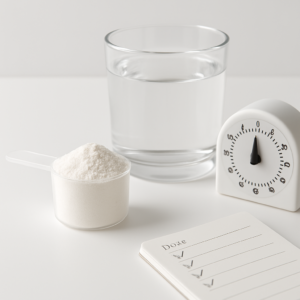
I began with 5 grams daily, mixed into water first thing in the morning on an empty stomach. The rationale here is twofold: an empty stomach allows faster absorption, and starting conservatively lets you monitor for any unusual reactions. Some people experience mild bloating or nausea if they jump straight to high doses, so I wanted to establish a baseline.
During this phase, I kept a simple symptom log noting bloating, energy levels, digestion quality, and any skin changes—since gut permeability often correlates with systemic inflammation that shows up as eczema or acne.
Weeks 3–6: Therapeutic Dosing
After two weeks without adverse effects, I increased to 10 grams daily, split into two 5-gram doses: one in the morning and one in the evening. This mid-range therapeutic dose is where most clinical observations suggest noticeable shifts begin to occur—around the 3- to 4-week mark. I continued my symptom log religiously.
During week 4, I noticed reduced bloating after meals and more consistent stool quality. By week 5, food sensitivities that had been unpredictable (I’d react to eggs some weeks but not others) became noticeably less reactive. This wasn’t elimination—I still had occasional sensitivity—but the intensity and frequency dropped measurably.
Weeks 7–8: Maintaining and Observing
I held steady at 10 grams daily and continued monitoring. By week 8, the changes had solidified: less inflammation overall, more stable energy, and a significant reduction in brain fog that I’d previously attributed to poor sleep but likely connected to systemic inflammation from a compromised gut barrier.
What Works
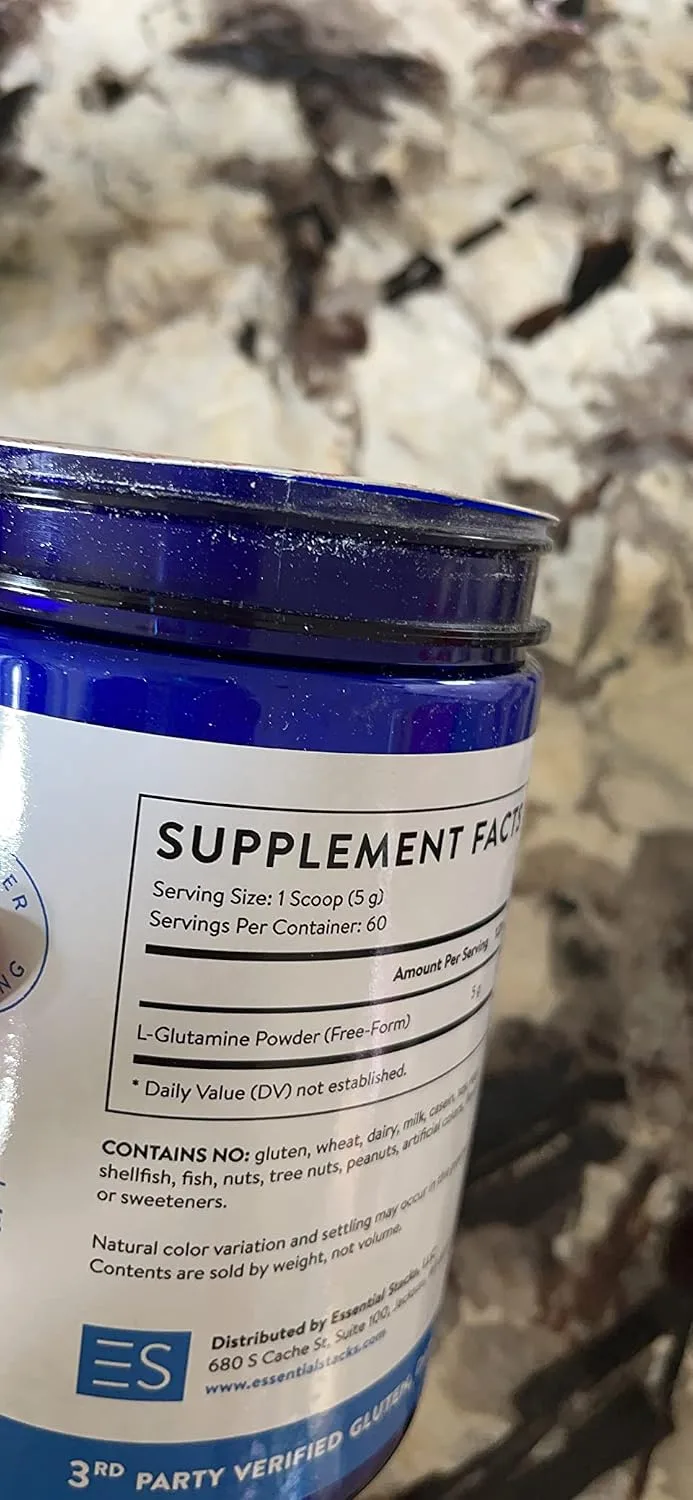
- Unflavored powder allows flexible dosing — Most therapeutic protocols use 5–15g daily, which this format supports without added sweeteners or fillers that might trigger sensitive guts. You control the exact amount and timing.
- USA manufacturing and third-party testing — Reduce the risk of contamination and heavy metals. This matters when you’re using supplements as part of a repair protocol rather than casual wellness, where purity directly affects your results.
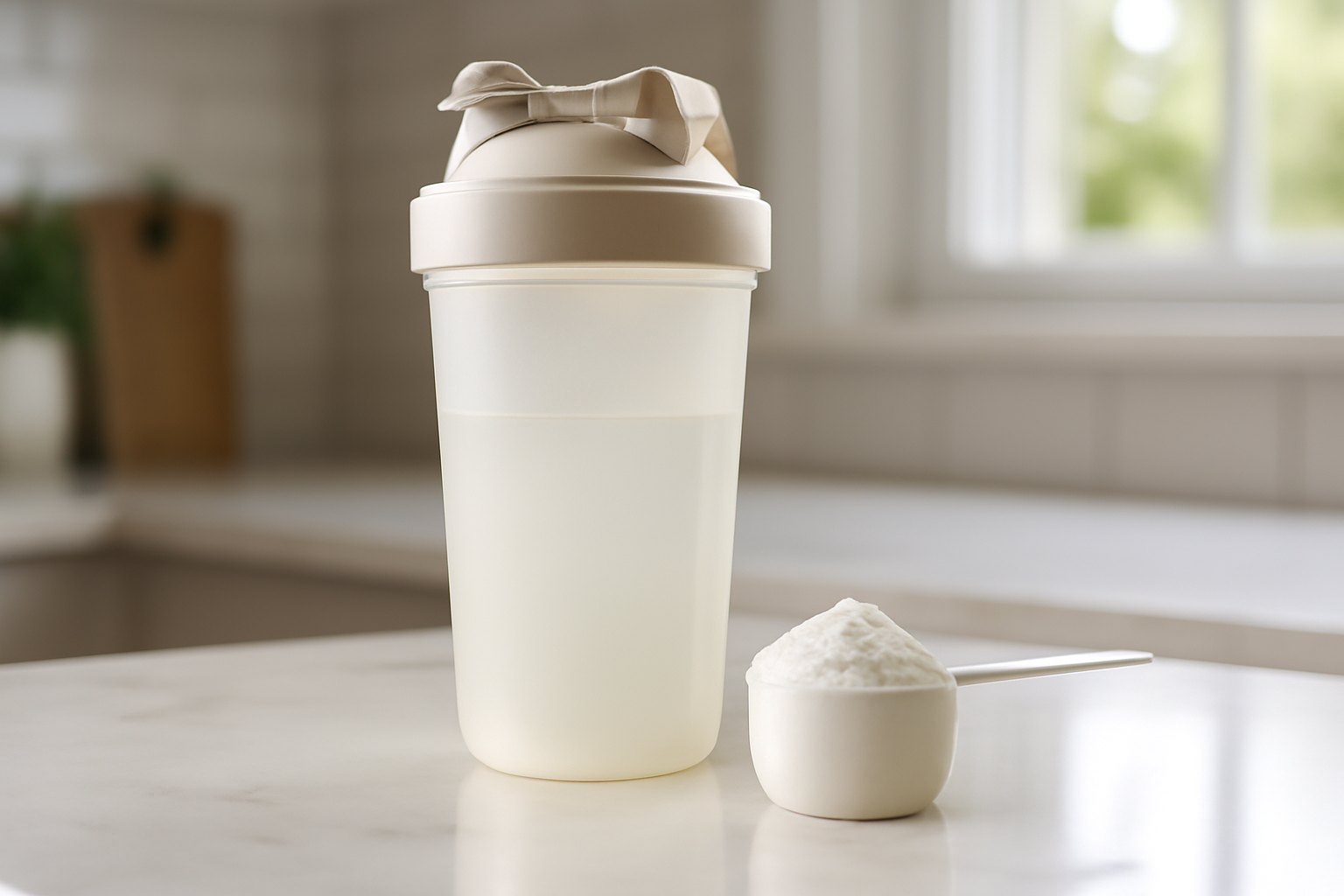
- Fine powder consistency — It dissolves cleanly in water, smoothies, or broth without clumping. This practicality matters for compliance—if something tastes bad or mixes poorly, you’ll stop using it.
- Noticeable shifts occur around weeks 6–8 — Clients typically report the most measurable changes (reduced bloating, improved stool consistency, fewer food reactions) after 6–8 weeks of consistent use at therapeutic doses, not days. This timeline is actually reassuring because it indicates cellular-level repair rather than just symptom masking.
What Doesn’t Work
- L-glutamine is not a substitute for identifying triggers — It won’t help if you’re still consuming gluten, dairy, or other proteins causing intestinal inflammation. You must identify and remove actual irritants while the supplement supports healing. It’s like trying to repair a roof while it’s still raining—possible, but inefficient.
- Active IBD or Crohn’s disease requires medical oversight — If you have active inflammatory bowel disease or severe flares, consult your gastroenterologist first. High-dose glutamine is sometimes contraindicated during acute inflammation because it can feed certain pathogenic bacteria or potentially worsen symptoms in specific conditions.
- Expect a slow timeline — If you’re hoping for relief within days, you’ll be disappointed and likely abandon it too soon. This supplement requires patience and consistency. It’s genuinely a slow-working intervention.
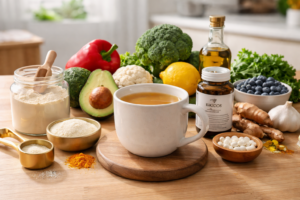
- It’s not a complete protocol — L-glutamine works best alongside other evidence-informed practices: stress management, adequate sleep, whole-food nutrition, and often additional gut-supporting supplements like bone broth, zinc carnosine, or omega-3 fatty acids, depending on your individual situation.
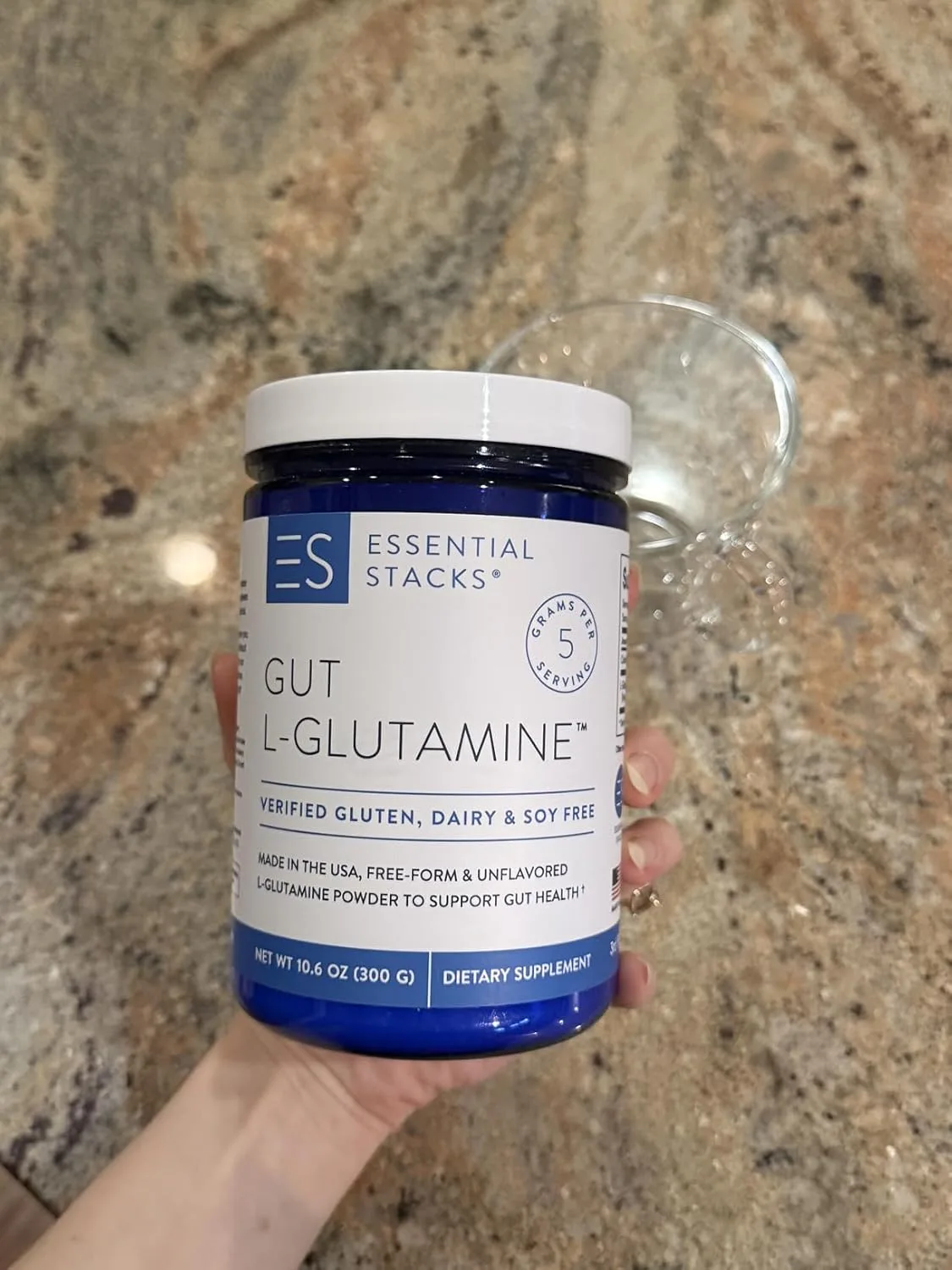
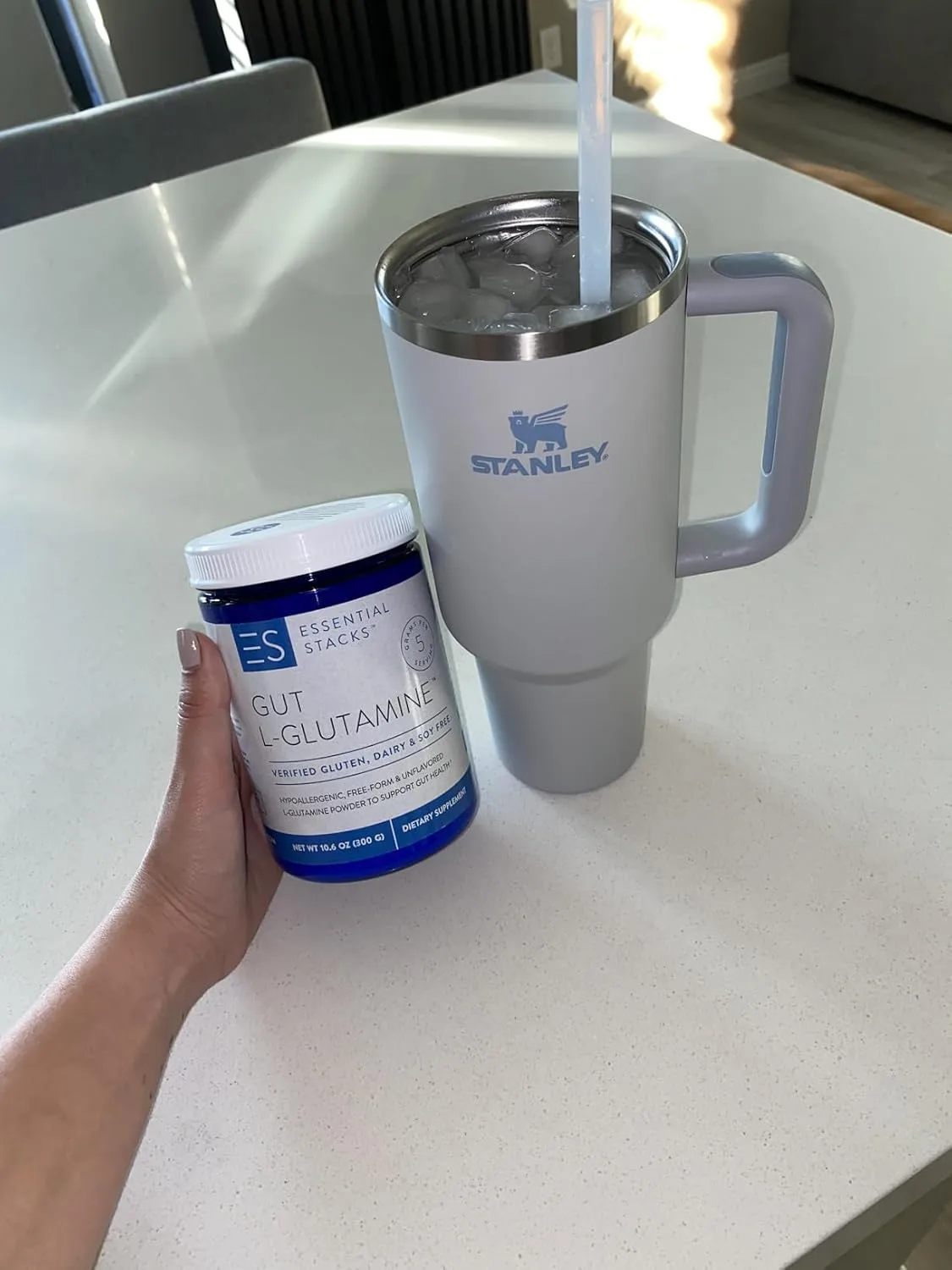
Essential Stacks Gut L-Glutamine Powder – Exclusively Made in USA – Pure L Glutamine Powder for Gut Health (60 Servings, Unflavored) is the one I’ve settled on for the protocol I outline in this post. The 60-serving size is practical for an 8-week therapeutic trial, and the unflavored format gives you total flexibility in how you consume it.
Key Takeaways
L-glutamine supported my intestinal barrier repair, but only within a complete context: I identified my personal food triggers, managed stress, and maintained consistent sleep. The supplement was a tool, not the whole toolkit.
If you decide to try this protocol, commit to at least 8 weeks at a therapeutic dose (10 grams daily, ideally split into two doses) before evaluating whether it’s working for you. Keep a symptom log. Remove obvious inflammatory triggers first. And consult your healthcare provider, particularly if you take medications or have an underlying digestive condition.
This post contains affiliate links. As an Amazon Associate, I earn from qualifying purchases at no extra cost to you.
Essential Stacks Gut L-Glutamine Powder – Exclusively Made
I took this powder daily for eight weeks while testing whether it would help with my leaky gut symptoms.
Check Price on Amazon →