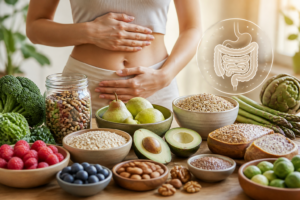
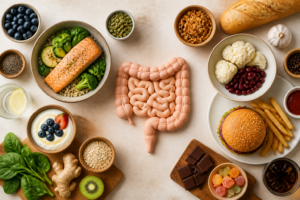
The inbox query that lands most frequently in some variation asks: “Could my symptoms point to IBS?” — and without blood work or imaging, the answer feels impossibly slippery. When you’re searching for an IBS symptom quiz to decode what’s happening with your digestion, this resource exists precisely for that purpose. What IBS does possess, regardless of diagnostic testing gaps, is a distinctly identifiable constellation of symptoms — and that signature pattern is something we can examine together.
My years navigating gut-health support have been paired with a lived reality that shaped everything I do. My husband’s undiagnosed digestive struggles — stretching across years of physical discomfort, interpretive confusion, and being assured things were “fine” when his body clearly signaled otherwise — became the crucible for how I frame this work now. I recognise that bone-deep fatigue of sensing dysfunction without the vocabulary to articulate it, or the standing to demand validation. This checklist exists to hand you both: terminology and permission.
A vital boundary here: this checklist cannot and does not constitute diagnosis. Physicians alone hold the authority to name IBS, and that naming requires systematically excluding other possibilities. What I’ve consistently witnessed across my experience, though, is that when individuals can articulate their own symptom profile with precision, their medical conversations shift dramatically — clearer, more productive, more actionable.

The IBS Symptom Checklist
Work through each statement thoughtfully, marking it true or false based on your experience over the last three months in particular — IBS shows itself through durability, not just isolated incidents.
- Is abdominal discomfort or spasming something you experience multiple times weekly?
- Does bowel movement itself tend to relieve your abdominal symptoms?
- Have you noticed your stools oscillate between watery and firm?
- Does the sensation of abdominal swelling intensify once you start eating?
- Do stress episodes or anxious periods tend to trigger your gut symptoms?
- Has this pattern of symptoms persisted longer than a quarter-year?
- Do sudden urges to use the toilet happen without much warning?
- Is there frequently a sensation that your bowels haven’t completely emptied?
- Can you connect symptom flares to certain foods you’ve eaten?
- Has your doctor previously excluded other diagnoses (coeliac disease, inflammatory bowel disease, infections)?
Award yourself a single point per ‘Yes’ response, then reference your total below.
Interpreting Your Results
0–3: Your symptom presentation may diverge from classical IBS — still warrants attention if bothersome, but could stem from transient dietary shifts, situational tension, or other factors. If discomfort lingers or diminishes your wellbeing, your GP conversation remains worthwhile. A lower total doesn’t minimize what you’re experiencing.
4–6: You’re tracking several IBS-consistent indicators. Bringing this to your doctor merits consideration, particularly if this pattern has been unfolding for months. In people I hear from who land here, focused dietary intervention paired with stress-reduction strategies frequently produce noticeable shifts — though professional evaluation first ensures we’re not overlooking something else.
7–10: Your symptom clustering aligns strongly with IBS parameters. This doesn’t confirm diagnosis — only a doctor can do that — but it signals that scheduling an appointment with your GP, armed with this checklist, will make your consultation substantially more grounded and thorough. When I work with someone reporting this density of symptoms over sustained stretches, I emphasize persistence and detail when speaking with medical providers. Your experience deserves clinical attention.

Breaking Down the Mechanics Behind These Patterns
What bears explaining to other people repeatedly is this: IBS isn’t constructed from structural injury — it’s fundamentally a processing malfunction. The architecture of your intestines registers as normal under investigation, yet the orchestration of signaling and muscular action has become disrupted. The scientific lens trained on IBS centers the gut-brain axis: that two-directional messaging system binding your brain proper to the intricate neural landscape embedded throughout your digestive corridor. Breakdowns in this dialogue — triggered frequently by infection, sustained psychological strain, or ingrained eating patterns — can leave your gut operating in a state of heightened reactivity. Stimuli ordinarily neutral, like intestinal gas transit, suddenly register as tangible pain. This phenomenon — visceral hypersensitivity — clarifies why discomfort so often appears unmoored from any visible pathology.
These symptoms also emerge from compromised motility regulation — the rhythmic muscular choreography shuttling matter downward through your system becomes erratic, sluggish, or accelerated. Such dysrhythmia accounts for the bewildering shifts in stool form and the hair-trigger sensation of needing the toilet immediately. Subtypes exist: some experience accelerated transit (IBS-D, marked by loose output); others encounter slowed passage (IBS-C, constipation-heavy); and a sizable group cycles between both states (IBS-M, mixed presentations). Mapping which subtype mirrors your situation is instrumental in crafting an approach that genuinely addresses your particular gut behavior.
The food and emotional variables woven into this checklist carry direct physiological weight—they’re not psychological artifacts. Carbohydrates that ferment readily (grouped under the FODMAP umbrella) pull fluid into bowel contents and spawn gas once bacteria break them down, amplifying cramping and urgency measurably. Stress, in parallel, directly reshapes how your intestines contract and how permeable their lining becomes through cortisol and related signaling molecules. That flare coinciding with your worst work week isn’t psychosomatic — it’s biochemistry in motion. Recognizing these mechanisms frequently allows the people I hear from to release shame and step into agency.

Exploring Additional Clinical-Grade Screening Tools
Should your results suggest deeper exploration, these two vetted instruments offer richer detail with clinical grounding — both cost nothing and benefit from expert development and evidence. Neither replaces medical evaluation, yet both can crystallize your symptom picture before you sit with your doctor.
- IBS-D Takes Guts Quiz — hones in explicitly on diarrhoea-predominant IBS indicators. When sudden bowel urgency, looser consistency, and unpredictable timing dominate your experience, this tool can provide sharper clinical insight.
- Ubie AI IBS Symptom Checker — a complimentary AI-assisted questionnaire (takes roughly 3 minutes) created in consultation with medical specialists. It captures targeted details and generates output structured for presenting to your physician.
Evidence-Based Eating Strategies That Support IBS Symptom Control
Should your screening point toward IBS, the typical next move isn’t reaching for supplements — it’s learning how your body reacts to specific foods. The low-FODMAP dietary template carries the strongest research backing for managing IBS symptoms, and a systematic approach makes the difference between abandoning the effort after a few weeks and actually pinpointing your genuine food sensitivities.
Evidence supporting this approach
- Between one-half and four-fifths of IBS patients demonstrate marked symptomatic improvement — decreased bloating, reduced cramping, normalized stool patterns — when they commit to a correctly executed low-FODMAP elimination phase spanning 2–4 weeks typically.
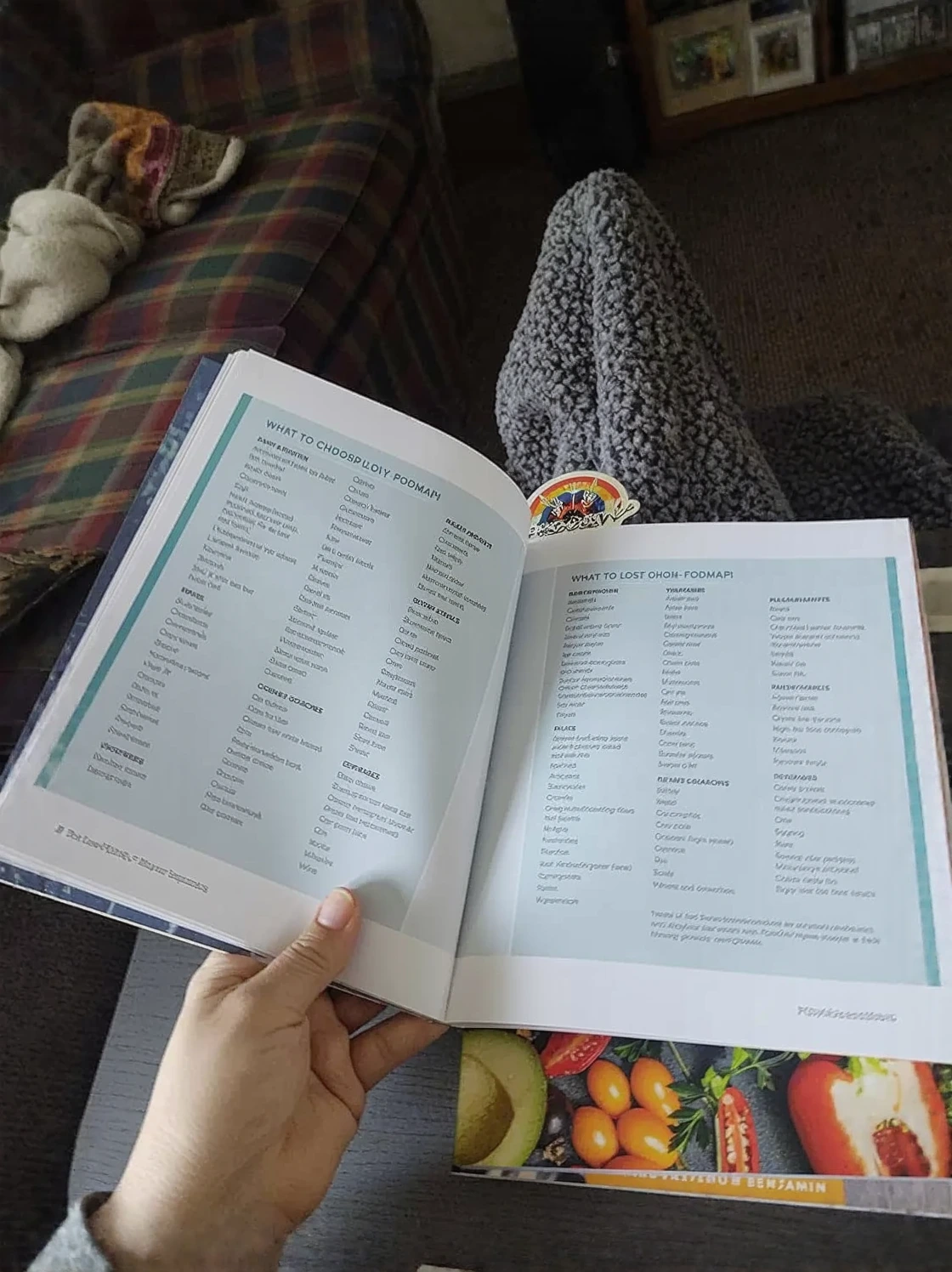
- A credible introductory manual teaches not just what to eat, but the reasoning: which fermentable carbohydrate categories matter for your digestion and why this matters mechanistically — so you’re learning, not merely obeying arbitrary rules.
- A condensed 7-day framework lets you test responsiveness without weeks of commitment — sufficient to gauge whether you belong in the responder category before undertaking a more extensive protocol.
Where limitations exist
- Roughly one in three to one in five with IBS won’t experience improvement via low-FODMAP — the science works for many, but not universally; if you trial it rigorously for 4 weeks without improvement, that’s valuable data pointing toward other culprits (psychological stress, motility disorders, artificial additives) worth exploring with medical guidance.
- This framework demands structured implementation and frequently benefits from trained guidance if you’re managing coeliac disease concurrently, carry multiple food intolerances, or have past eating-disorder patterns — solo materials cannot replace specialist consultation in layered situations.
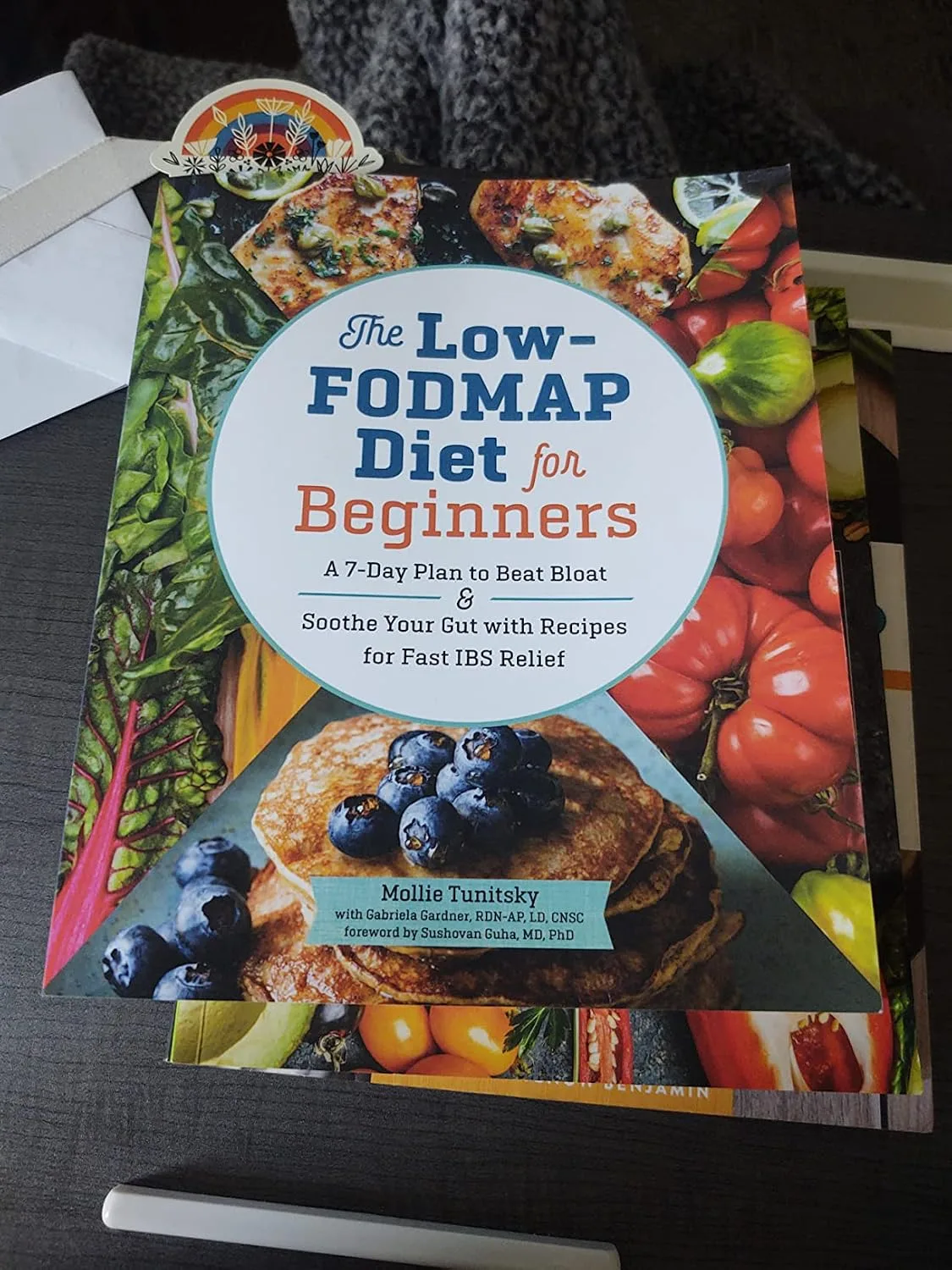
A dietary guide is a starting point, not a diagnosis or cure; if you’ve ruled out coeliac disease and inflammatory bowel disease with your doctor, low-FODMAP can be genuinely illuminating. The Low-FODMAP Diet for Beginners: A 7-Day Plan to Beat Bloat and Soothe Your Gut is written for people who are new to the approach and gives you enough structure and explanation to test whether this is your answer.

About This Article

Written by Alex Mercer. Alex Mercer has lived with IBS since childhood and isn't a nutritionist or a doctor. After years of being told he was anxious or would grow out of it, he spent more than 12 years reading the research properly, and now shares what he has learned with the family, friends and support-group members who come to him with the same questions. He translates peer-reviewed research into practical, honest advice, and is always upfront about what the evidence does and does not show. More about this site.
Scope and limits. Alex is not a doctor, dietitian, or nutritionist, and nothing here is medical advice. Talk to a clinician before changing your diet, starting a supplement, or acting on symptoms — especially persistent or worsening ones.
Verify this against a primary source
Specifics change, and your situation may differ from the one described here. These are the authorities worth checking directly:
- NIDDK — digestive disease research and clinical guidance
- MedlinePlus — plain-language medical reference from the NIH
- Mayo Clinic — symptom and condition reference