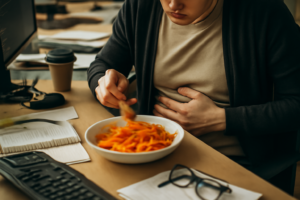
Bloating — that uncomfortable abdominal fullness and distension you feel after eating — ranks among the most frequently reported digestive complaints I encounter, yet it remains profoundly misunderstood. If you’re looking for resources like a bloating causes quiz to help decode what’s actually happening in your body, this is the right place to start. Throughout my experience, I’ve observed that bloating almost never boils down to a simple matter of portion size. Instead, it typically stems from one of roughly eight recognizable patterns, and by asking yourself the right questions, you can begin identifying which pattern aligns with your experience.
When someone describes feeling bloated “every single day” or “no matter what I eat,” I move past acknowledgment and into systematic inquiry. Does it spike after particular foods? Does it diminish after a bathroom visit? Is there a connection to how stressed you’re feeling? These responses sketch out a landscape that becomes increasingly clear with focused attention — and that’s exactly what this quiz aims to illuminate. Consider this exercise an opening dialogue between you and your digestive system.

The Bloating Symptom Checklist
Go through each statement with candour and track your responses as you proceed — these are straightforward yes-or-no propositions with no hidden layers.
- Does your bloating typically appear between 30–90 minutes after a meal?
- Is bloating markedly intensified after consuming onions, garlic, legumes, or grain-based foods?
- Do you also notice marked gas production when bloating occurs?
- Does the bloated sensation lift once you have a bowel movement or release gas?
- Does your bloating flare during the luteal phase of your cycle (if you menstruate)?
- Does bloating set in even when you consume minimal quantities of food?
- Did you complete an antibiotic treatment recently?
- Do you tend to rush through meals or routinely use a straw when drinking?
- Does your bloating intensify noticeably when you’re under mental or emotional strain?
- Have particular foods — such as milk products, breads, or certain proteins — repeatedly produced bloating symptoms?
Assign yourself 1 point per ‘Yes’ response, then locate your total below.
How to Interpret Your Result
0–3: Your bloating likely connects to eating speed, serving size, or a single food type rather than true intolerance. Experiment with eating more deliberately and recording which foods precede discomfort. Often this score range reflects habits that yield to straightforward behavioural tweaks.
4–6: The pattern suggests possible food sensitivity, dysbiosis, or irritable bowel syndrome features. Start documenting your meals and symptoms in a journal, paying close attention to timing and specific ingredients. These observations frequently surface connections that casual observation obscures.
7–10: This elevated cluster indicates probable FODMAP intolerance, microbiota imbalance stemming from antibiotic use, or IBS-spectrum involvement. Consulting with a health practitioner experienced in gut function is genuinely worthwhile at this level. Do not accept prolonged discomfort on your own — evidence-based approaches exist and can shift your experience.

Decoding the Mechanics Behind Bloating
A critical insight I emphasize with everyone is that bloating is not itself a diagnosis — it is a manifestation, and the biological pathways generating it differ substantially. The predominant driver I observe is fermentation occurring in the colon. When certain carbohydrates — chiefly FODMAPs (fermentable oligosaccharides, disaccharides, monosaccharides, and polyols) — escape complete absorption within the small intestine, they migrate to the large bowel where resident microorganisms break them down, liberating gas in the process. For individuals with heightened gut reactivity or compromised microbial balance, this gas causes the bloating sensation we recognise. This mechanism underscores why questions two and ten from the checklist are such powerful diagnostic indicators.
The bidirectional signalling between gut and brain operates with considerably more influence than commonly acknowledged. Evidence points to psychological tension triggering the enteric nervous system — frequently termed the “second brain” — which can decelerate intestinal transit, compromise the intestinal barrier, and amplify pain perception throughout the gut. More simply put: emotional overwhelm slows your digestion and makes your gut register sensations more sharply. This is precisely what question nine assesses (worry amplifying symptoms), and it’s an angle I prioritise in helping other people. It’s never purely psychological — but psychology undoubtedly plays a role.
Post-antibiotic bloating, flagged by question seven, operates through a separate pathway. Antibiotics lack selectivity — they eliminate pathogenic organisms and beneficial residents alike, temporarily shrinking the microbial ecosystem and reshaping fermentation activity in the colon. This microbial disruption can trigger bloating, loose movements, and heightened gas formation that may persist for months following treatment completion. In parallel, inhaling excess air — whether through rapid eating, conversation during meals, or sipping through straws — introduces gas directly into your digestive tract, making this one of the plainest yet most overlooked mechanisms behind bloating in my experience.

Explore Evidence-Based Bloating Assessments
The checklist offered here serves as a solid foundation, though I’d point you toward a pair of established external resources to drill deeper into your individual situation. Both instruments were developed with rigorous methodology at their core.
- The Gut Health Doctor Bloating Quiz — designed by Dr. Megan Rossi, a preeminent figure in digestive science whose work I deeply value. The assessment applies rigorous, research-backed methods to pinpoint what ignites your bloating.
- Buoy Health Bloating Quiz — a machine-learning assessment crafted alongside physicians that generates probable explanations for your bloating based on how your symptoms cluster. Beneficial if you prefer a more clinical-grade evaluation framework.
Digestive Enzyme Support for Bloating Linked to Insufficient Acid or Impaired Nutrient Breakdown
When your quiz results point toward bloating stemming from sluggish gastric emptying or compromised protein digestion, a multienzyme formulation can supply temporary support while you address underlying dysfunction. This type of supplement combines protease, lipase, and amylase — the three primary enzymes your system deploys to dismantle proteins, fats, and carbs — making it applicable across the enzyme-insufficiency scenarios I most frequently encounter.
Outcomes I’ve observed
- People reporting hypochlorhydria (diminished stomach acid production) or exocrine pancreatic inadequacy consistently describe reduced bloating and post-meal distension within several days, particularly when eating protein-dominant meals.
- Having multiple enzyme activities in a single formula removes guesswork about which macronutrient axis is constrained — the product handles all three breakdown pathways concurrently.
- Certain formulations incorporate supplementary compounds (including betaine hydrochloride in select versions) that bolster gastric acid output, frequently addressing the genuine dysfunction beneath enzyme underproduction.
Where they fall short
- When FODMAP intolerance, microbial imbalance, or food reactions fuel your bloating, enzymes simply don’t reach the root problem — you’ll instead need to locate and avoid the offending ingredient.
- Enzyme products manage immediate discomfort; they do not resolve underlying pathology. Should you carry a pancreatic diagnosis or celiac disease, clinical oversight and likely prescription-grade therapy will be essential.
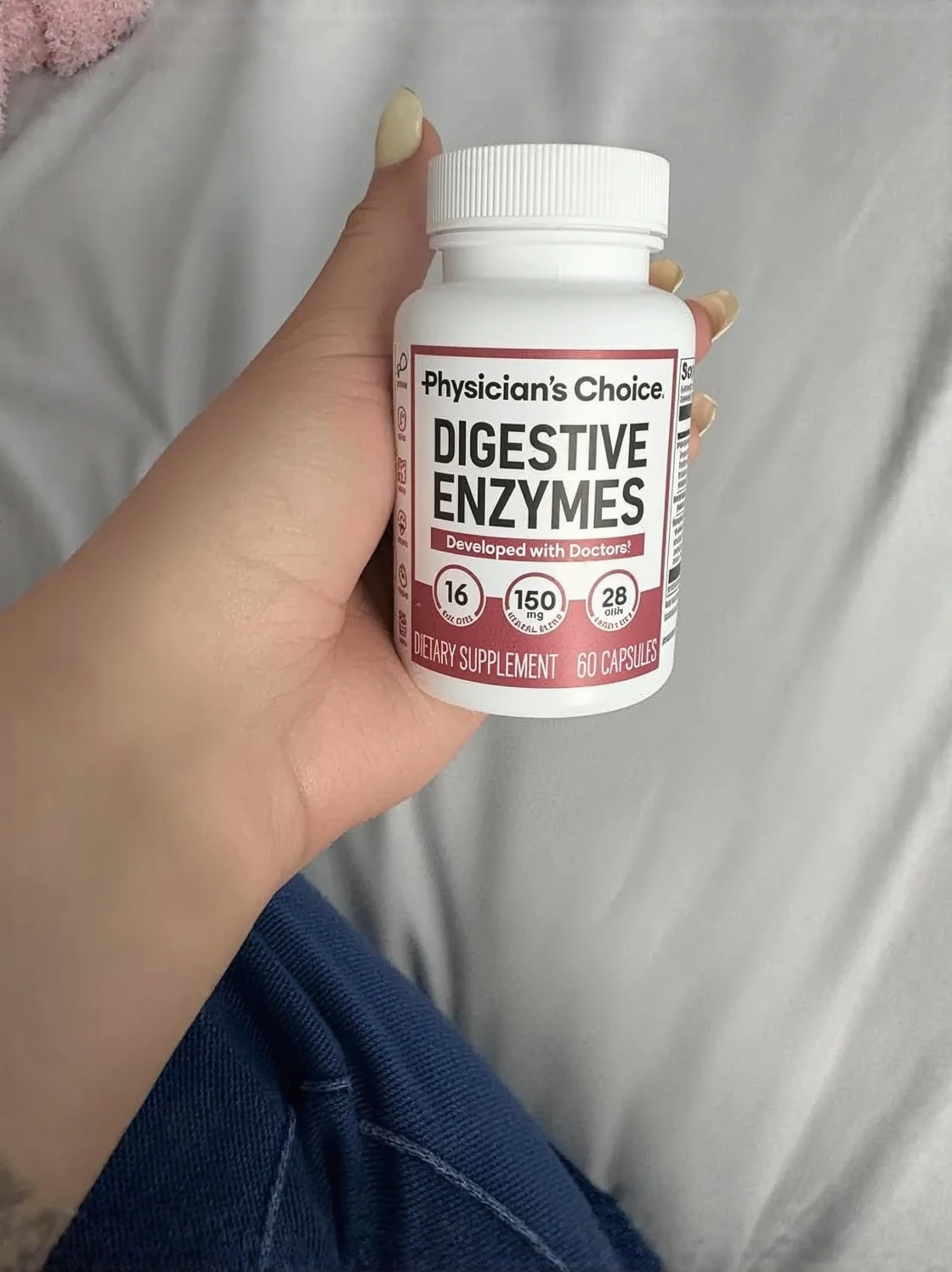
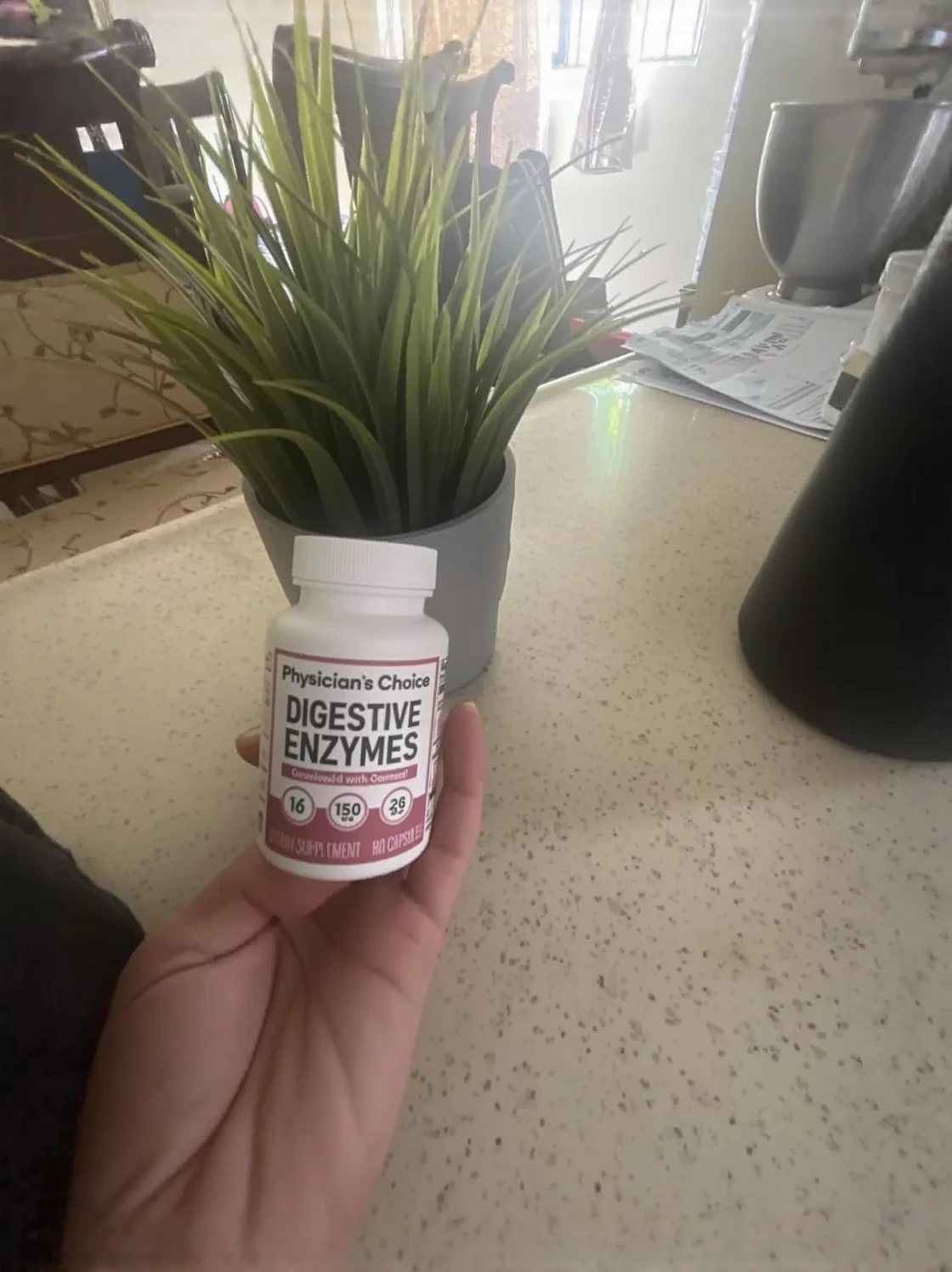
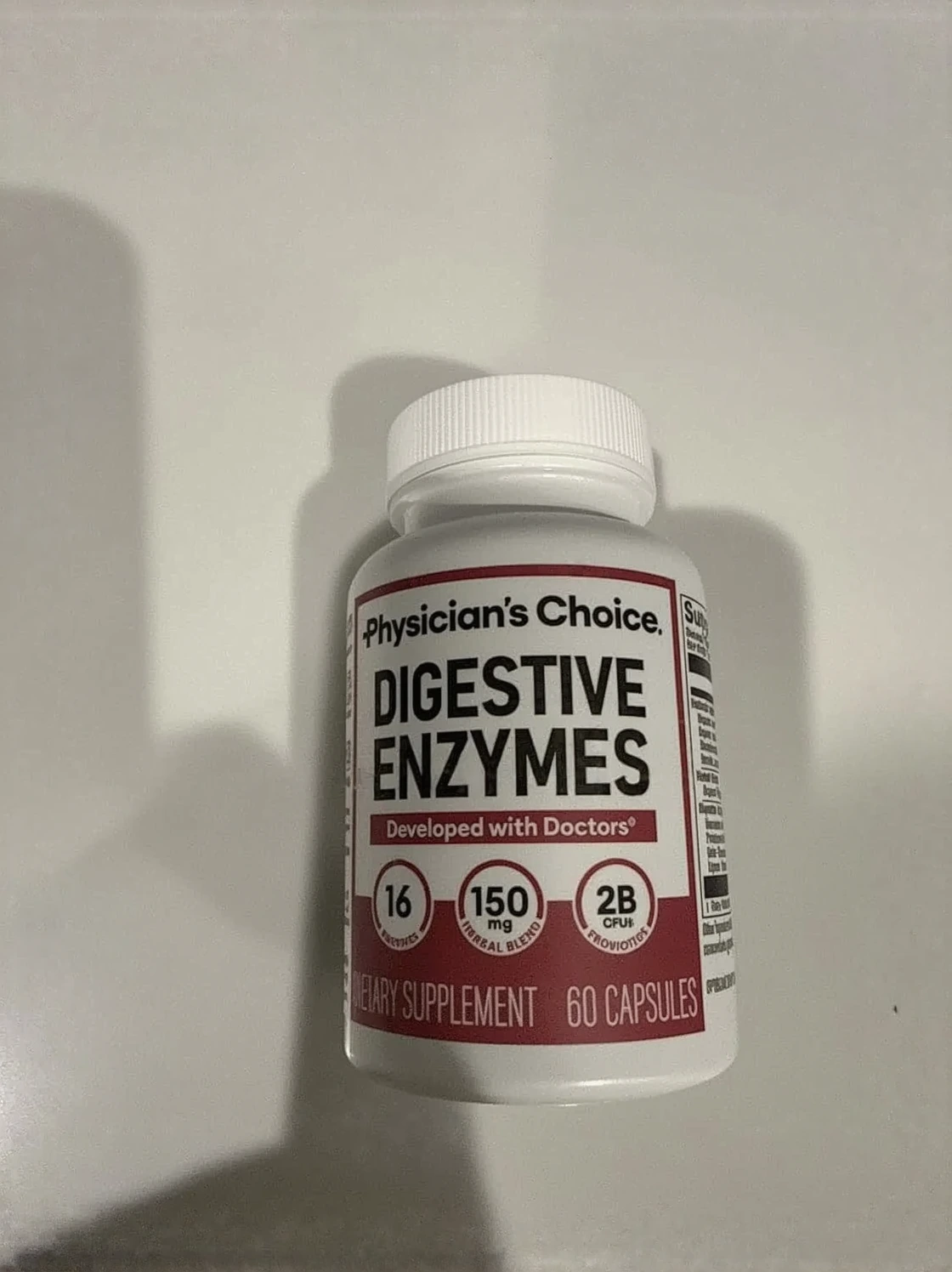
Enzymes are most useful when bloating is truly tied to incomplete digestion — not when it’s caused by food sensitivity or bacterial overgrowth — so make sure your quiz result points to that mechanism before investing. Physician’s CHOICE Digestive Enzymes for Bloating & Digestion
About This Article

Written by Alex Mercer. Alex Mercer has lived with IBS since childhood and isn't a nutritionist or a doctor. After years of being told he was anxious or would grow out of it, he spent more than 12 years reading the research properly, and now shares what he has learned with the family, friends and support-group members who come to him with the same questions. He translates peer-reviewed research into practical, honest advice, and is always upfront about what the evidence does and does not show. More about this site.
Scope and limits. Alex is not a doctor, dietitian, or nutritionist, and nothing here is medical advice. Talk to a clinician before changing your diet, starting a supplement, or acting on symptoms — especially persistent or worsening ones.
Verify this against a primary source
Specifics change, and your situation may differ from the one described here. These are the authorities worth checking directly:
- NIDDK — digestive disease research and clinical guidance
- MedlinePlus — plain-language medical reference from the NIH
- Mayo Clinic — symptom and condition reference