Health disclaimer: I am a qualified nutritionist, not a gastroenterologist. The experiences shared here are personal and clinical observations. Always consult your doctor before starting any new supplement or health intervention, especially if you take medication.
Over the past fifteen years working as a nutritionist specialising in gut health, I have lost count of how many clients arrive convinced they have too much stomach acid. Heartburn, reflux, that familiar burning sensation — they assume acid overproduction is the culprit. In reality, research suggests the opposite is frequently true. Hypochlorhydria, or low stomach acid, is strikingly common, particularly in adults over forty. Using pH test strips stomach acid levels as a simple home monitoring tool has genuinely changed how I approach initial consultations. And recently, I decided to put one specific kit through its paces myself for a full four weeks.
Testing Your Own pH Levels at Home: A Realistic Tool for Tracking Stomach Acid Patterns
If you suspect low or high stomach acid is driving your symptoms—bloating after meals, undigested food, or reflux—pH strips offer a practical way to gather your own data before (or alongside) formal testing with your doctor. They won’t diagnose a condition, but they can reveal patterns worth discussing with your GP or gastroenterologist.
What works
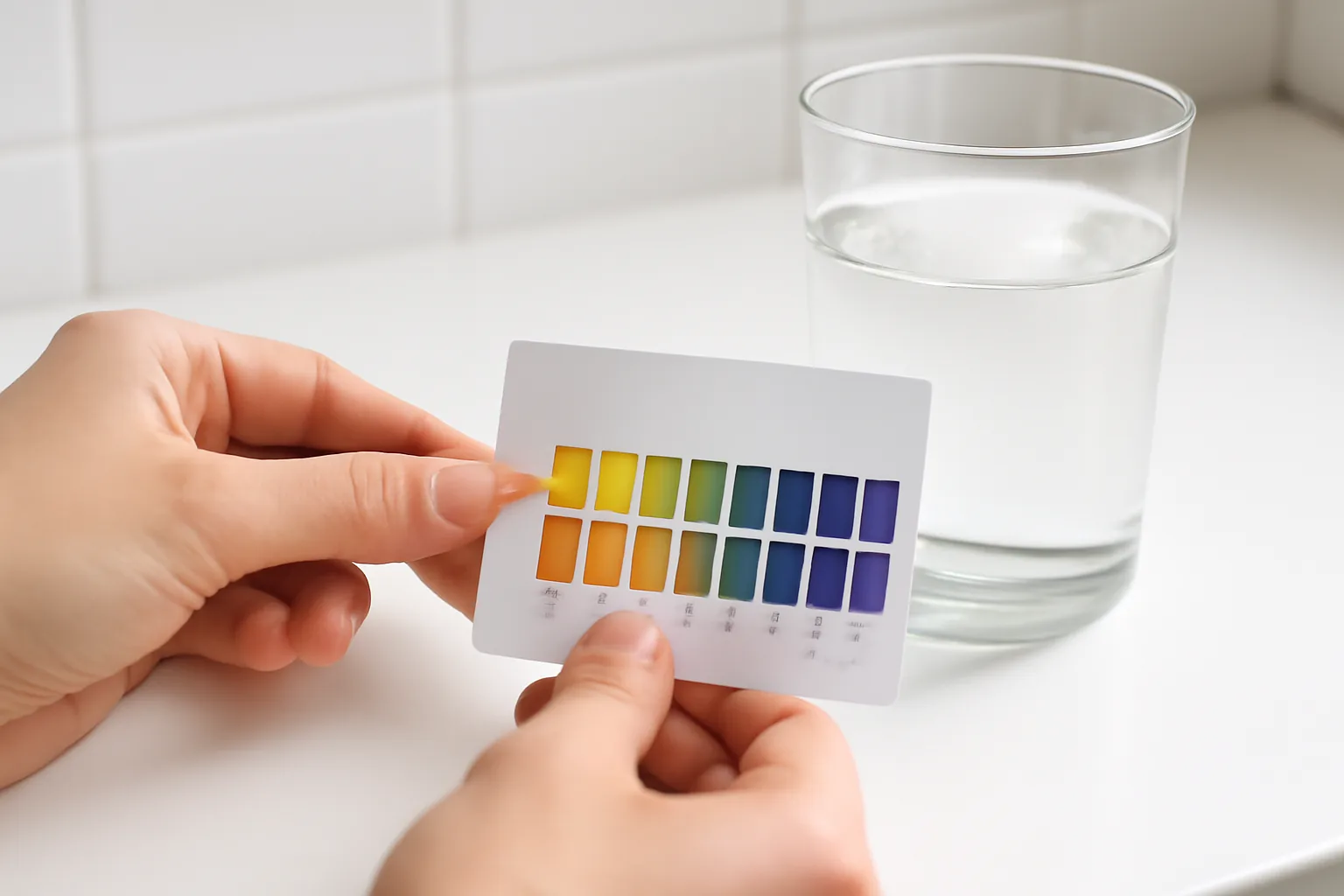
- Saliva and urine pH testing gives you a non-invasive snapshot of your body’s acid-alkaline balance, which can correlate (though imperfectly) with stomach environment—useful for spotting trends over weeks rather than expecting a single test to diagnose anything.
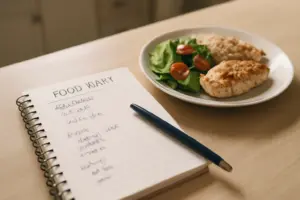
- The routine of daily testing often prompts clients to notice what they ate, their stress levels, and their symptoms in tandem, which is often more valuable than the strips themselves for identifying triggers.
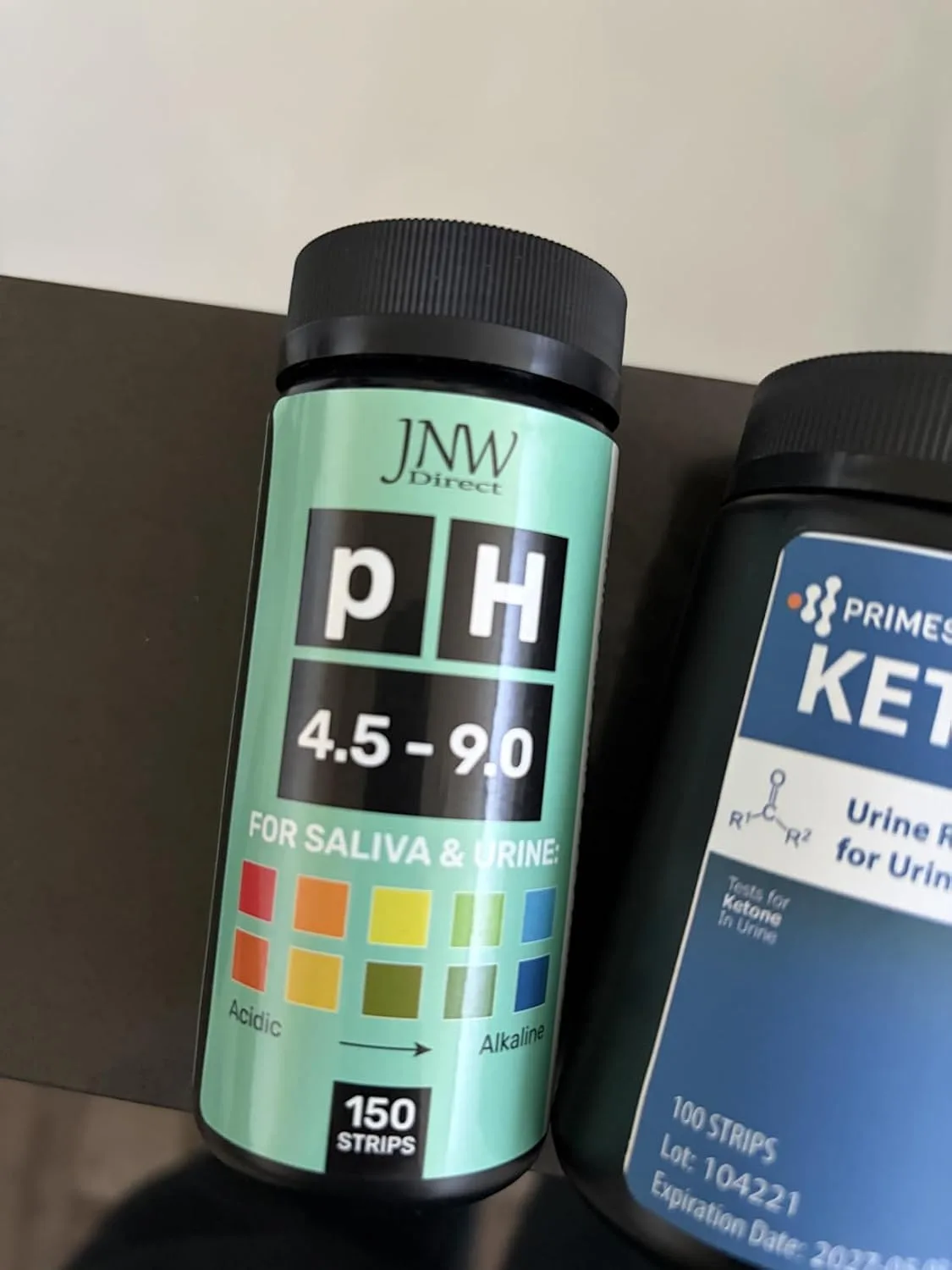
- At under £10 for 150 strips, this is a low-cost exploratory tool—far cheaper than unnecessary supplement purchases based on guesswork, and it keeps you in a detective mindset rather than a “quick fix” one.
What doesn’t
- Home pH strips cannot diagnose hypochlorhydria (low stomach acid) or GERD; they measure urine and saliva pH, not stomach acid directly—if you have heartburn or suspect a serious condition, you need proper gastric pH testing or endoscopy, not self-testing.
- Results vary wildly based on hydration, time of day, what you just ate, and stress; single readings mean almost nothing, and even trends can be misleading if you’re not tracking context carefully—this is a conversation starter with your doctor, not a diagnosis tool.
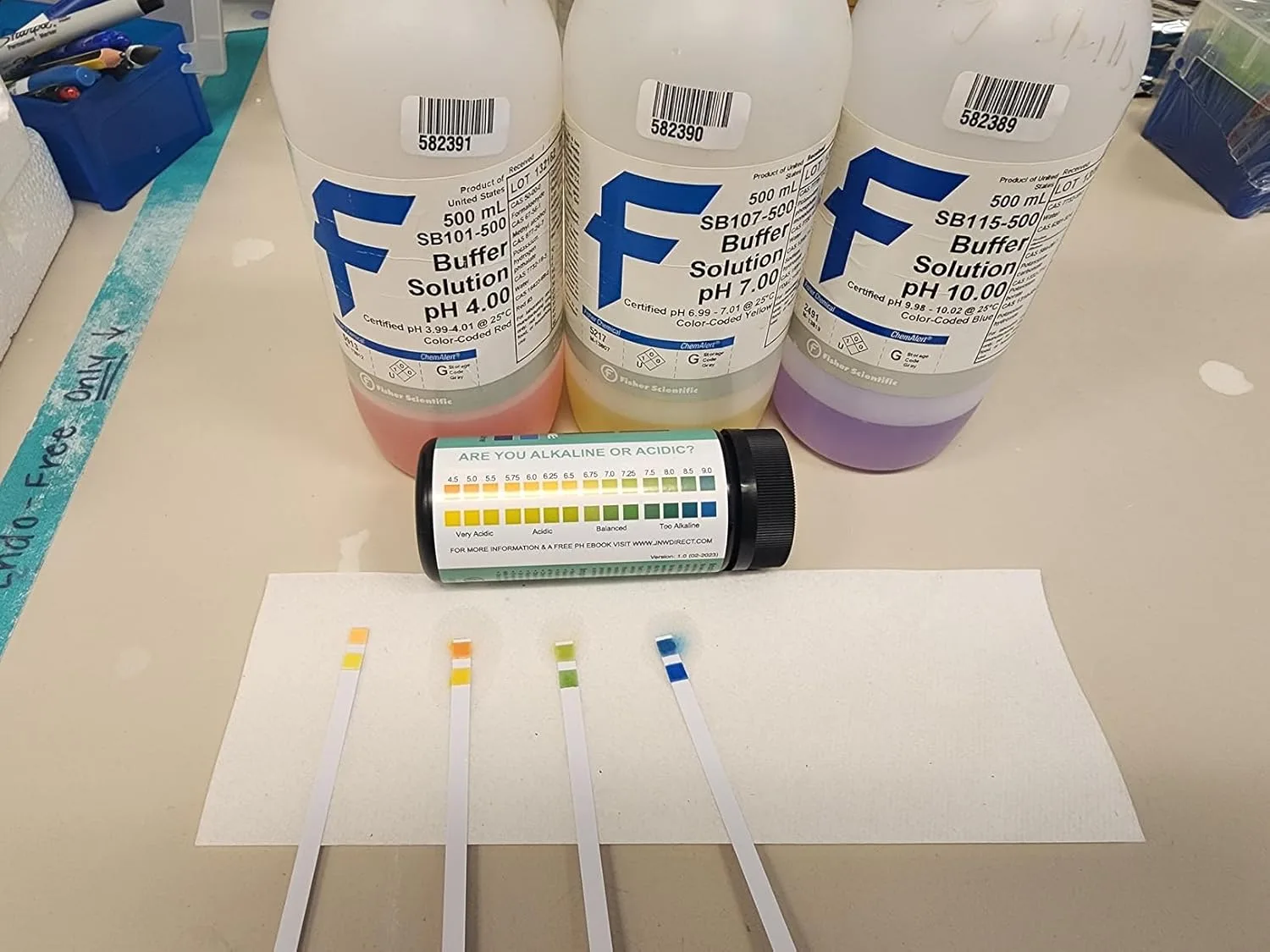
Think of these strips as a data-gathering experiment, not a medical test—they’re most useful when you bring your observations and patterns to your doctor rather than relying on them to guide supplementation decisions on your own. pH Test Strips for Urine and Saliva – 150 Litmus Paper pH Test Strips with Ebook, Quick & Easy pH Level Testing from 4.5-9.0, Ultimate Acidity Test Kit from JNW Direct
This post contains affiliate links. As an Amazon Associate, I earn from qualifying purchases at no extra cost to you.
This post contains affiliate links. As an Amazon Associate, I earn from qualifying purchases at no extra cost to you.