

I regularly see newly diagnosed people with coeliac disease who walk in convinced they’ve already nailed the gluten-free diet — bread bin cleared out, gluten-free pasta stocked, favourite pizza place crossed off the list. And yet they’re still bloated, still fatigued, still dealing with the exact gut symptoms that led to their diagnosis. Once I start going through their food diary line by line, the answer almost always traces back to hidden gluten sources people with coeliac disease rarely think to question. These aren’t obvious slip-ups — they’re everyday items with no wheat warning anywhere on the packaging, quietly delivering enough gluten to keep the gut inflamed and the villi damaged.

Why Hidden Gluten Is Such a Problem for People with Coeliac Disease
Coeliac disease is an autoimmune condition, not a food preference. Even tiny amounts of gluten — research suggests as little as 10mg a day can trigger intestinal damage in sensitive individuals — are enough to set off an immune response that damages the small intestinal lining. That’s very different from general gluten sensitivity, where the symptom threshold tends to sit much higher. For people with coeliac disease, there’s no such thing as “just a little bit,” which is exactly why I take hidden sources seriously enough to dedicate a full session to systematically reviewing every product category in a new person’s diet.
The frustrating truth is that gluten hides in places that feel completely safe. It travels under ingredient names most people don’t recognise, slips in through shared manufacturing facilities, and lurks in products marketed as healthy or natural. Below are the categories I check first, because in my experience, one of these is almost always the culprit.
The Everyday Products That Frequently Contain Hidden Gluten
Sauces, Condiments, and Seasonings
This category catches nearly every new person. Soy sauce is probably the most notorious offender — traditional soy sauce is brewed with wheat, putting it fully off-limits for people with coeliac disease. Worcestershire sauce, stock cubes, gravy granules, malt vinegar, salad dressings, and pre-made spice blends cause just as much trouble. Even certain mustards and ketchups carry risk if produced on shared equipment. When someone presents with persistent symptoms and insists their diet is “completely clean,” I ask them to bring in every bottle and packet from their kitchen cupboard — more often than not, we find the culprit within the first ten minutes.
Medications and Supplements
This one catches people off guard every time. Many pharmaceutical tablets and capsules use wheat starch as a binder or filler. Supplements — multivitamins, iron tablets, protein powders — can also contain gluten or be made in facilities that handle wheat. I always tell people with coeliac disease to check with their pharmacist before starting anything new, and to specifically look for a “gluten-free” declaration on any supplement before buying it.
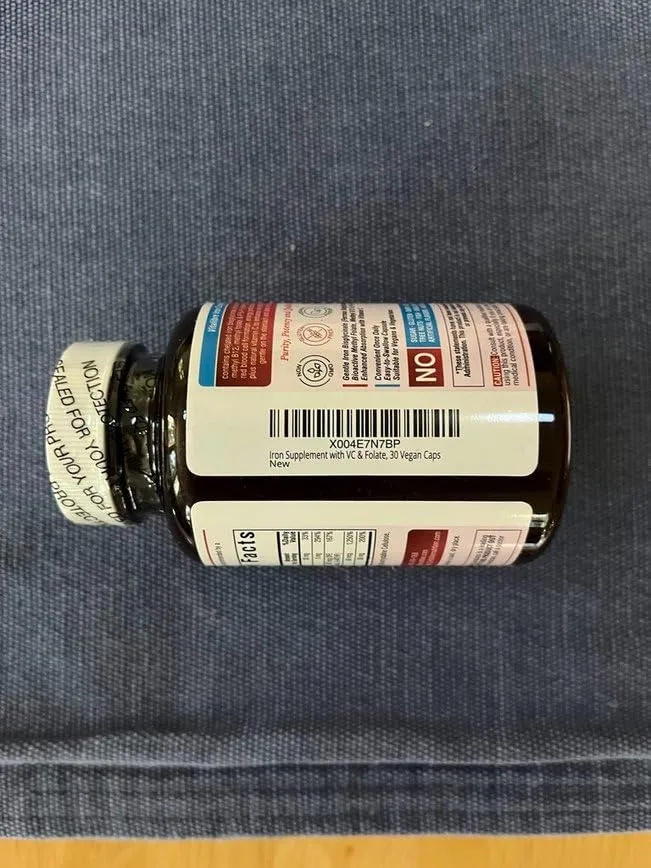
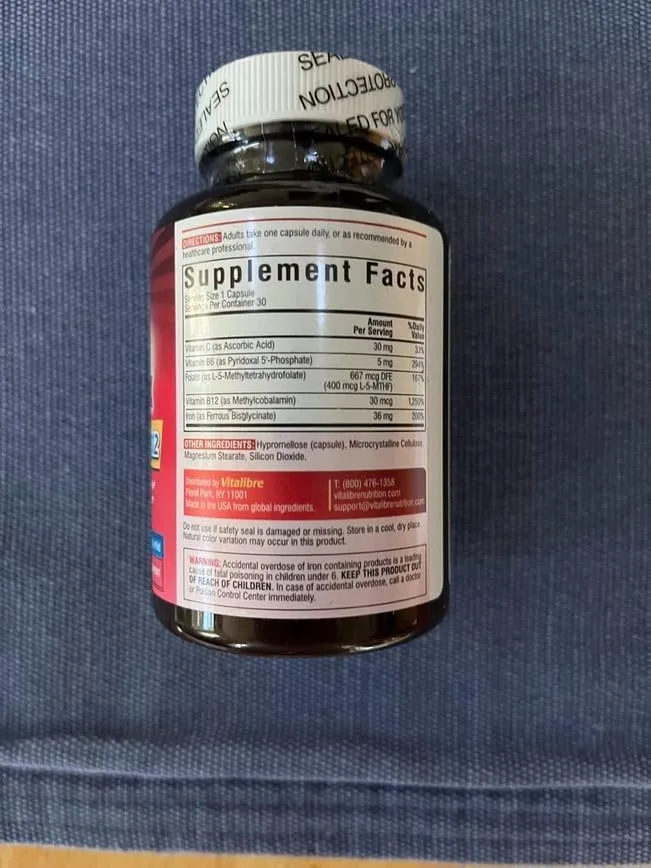
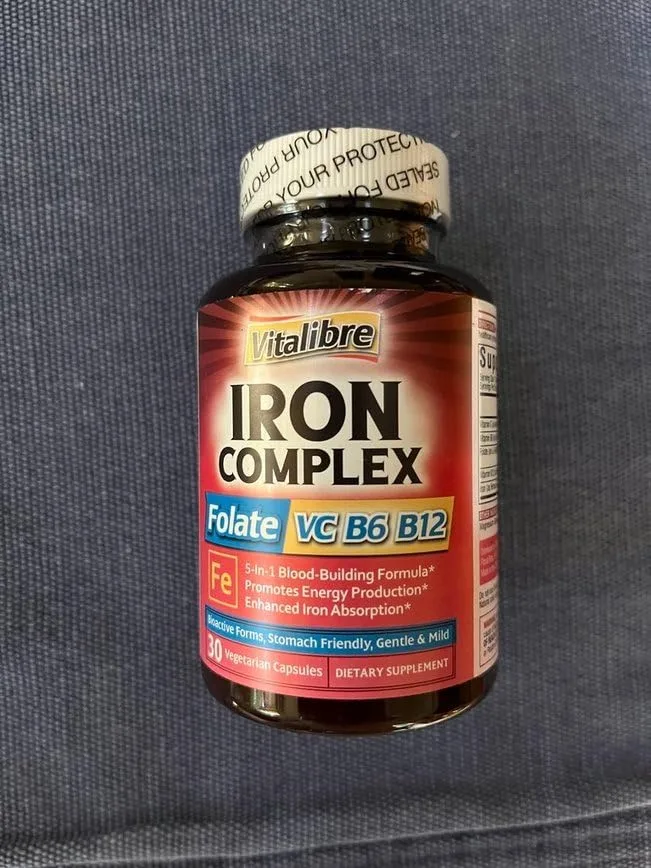
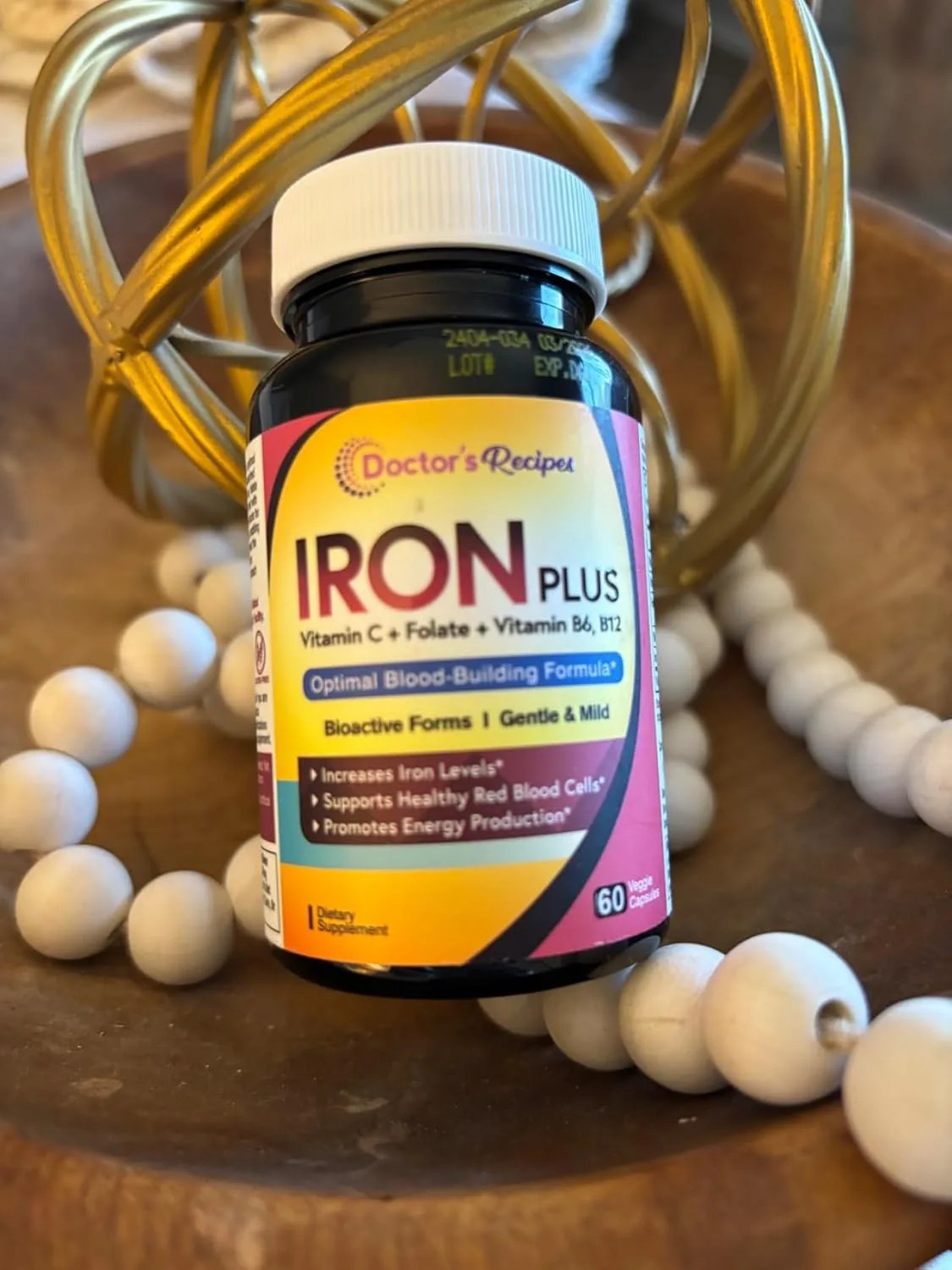
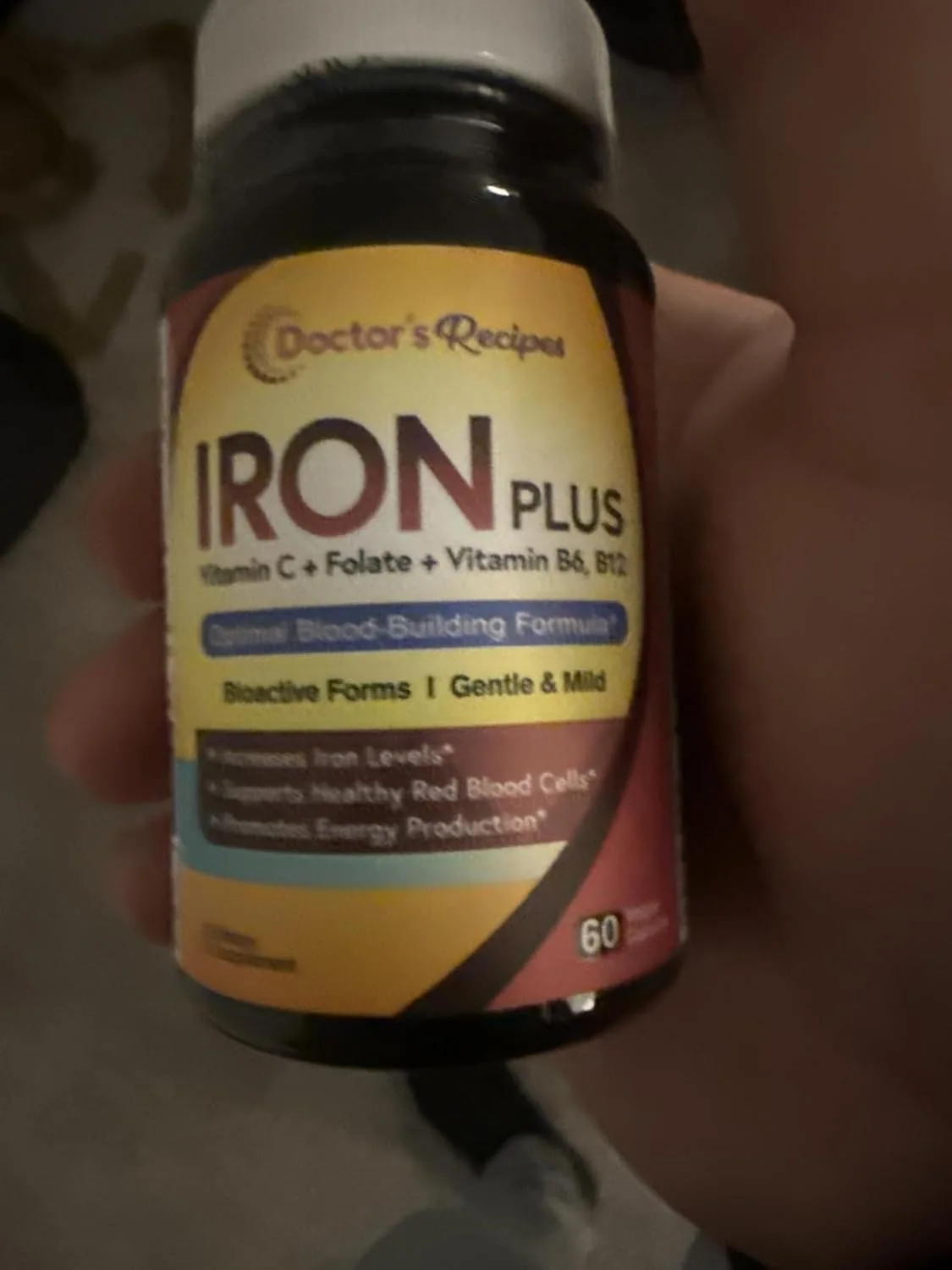
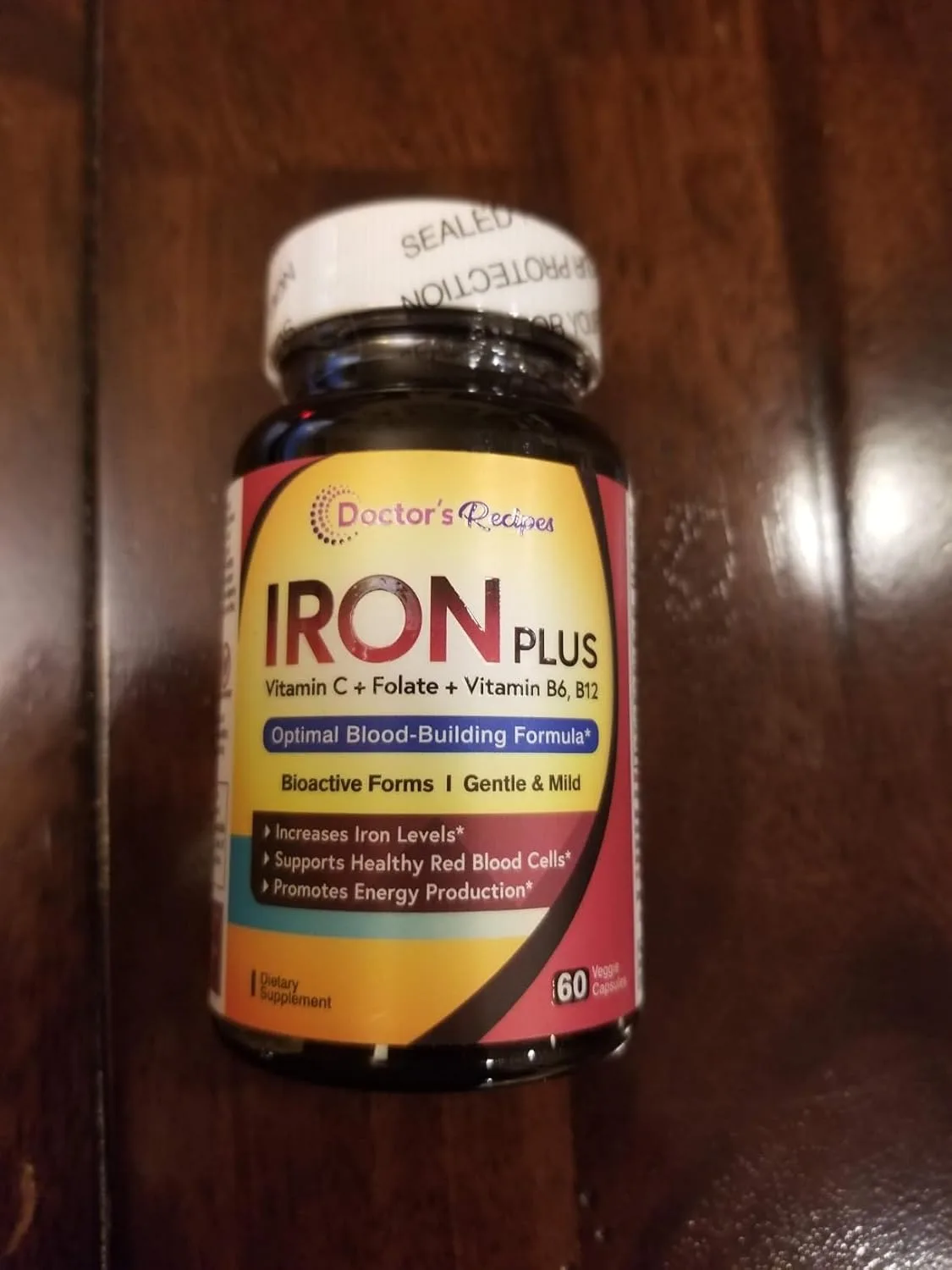
Iron deficiency is extremely common in coeliac disease due to malabsorption in the damaged small intestine, so I frequently recommend iron supplementation — but it has to be the right product. I like to point people towards Doctor’s Recipes Iron Supplement for Women Men, a gentle iron bisglycinate formula with added Vitamin C, B6, Folate, and B12, all in a stomach-friendly vegan capsule. For higher-dose needs, the Iron Supplement for Women and Men with Vitamins C, B6, B12 and Folate is another well-formulated, non-GMO, gluten-free option I recommend regularly in clinic.

Oats
Oats get their own mention because the situation is genuinely nuanced. Standard oats aren’t inherently a gluten-containing grain, but they’re almost always contaminated with wheat, barley, or rye somewhere in growing, harvesting, or processing. Plenty of people with coeliac disease assume oats are fine because they’ve seen them on “naturally gluten-free” lists. They’re not safe unless certified gluten-free and purity-protocol. Even then, a subset of coeliac patients react to avenin, the protein in oats, which can trigger a response similar to gluten. I always recommend reintroducing oats cautiously and under dietetic supervision.
Cross-Contamination in the Kitchen
Even in households where the whole family hasn’t gone gluten-free, cross-contamination is a serious, frequently overlooked risk. Shared toasters, wooden chopping boards, wooden spoons, colanders, and even a shared butter or jam jar — where a knife touched bread and got dipped back in — can transfer enough gluten to trigger a reaction. I’ve had people spend months troubleshooting their diet only to discover the shared toaster had been the source the entire time. A dedicated gluten-free toaster, separate utensils, and individual condiment jars are non-negotiable steps I recommend for any coeliac household.

Sneaky Ingredient Names to Know
One of the most useful exercises I do with new people is running through the full list of ingredient names that signal gluten. Most people know to watch for “wheat” but miss several others. Here are the terms I tell every coeliac person to treat as a red flag on any label:
- Barley, barley malt, malt extract, malt flavouring
- Rye
- Spelt, kamut, emmer, einkorn, farro
- Triticale
- Wheat starch, wheat dextrin, wheat germ
- Hydrolysed wheat protein
- Semolina, durum, bulgur
- “May contain wheat” or “produced in a facility that handles wheat”
That last category — advisory labelling — is one I take particularly seriously for people with coeliac disease. Unlike food allergy sufferers who may tolerate minimal exposure, someone with coeliac disease can’t treat “may contain” products as safe. I encourage people to contact manufacturers directly when in doubt; many will confirm whether their production lines are segregated.
Gluten-Free Baking: Getting It Right at Home
A big part of managing coeliac disease well, particularly for people who love cooking, is learning to bake confidently at home. Home baking gives full control over ingredients and removes restaurant or bakery cross-contamination risk entirely. The key is choosing flour blends carefully, since not all gluten-free flours behave the same way or are made with the same level of care.
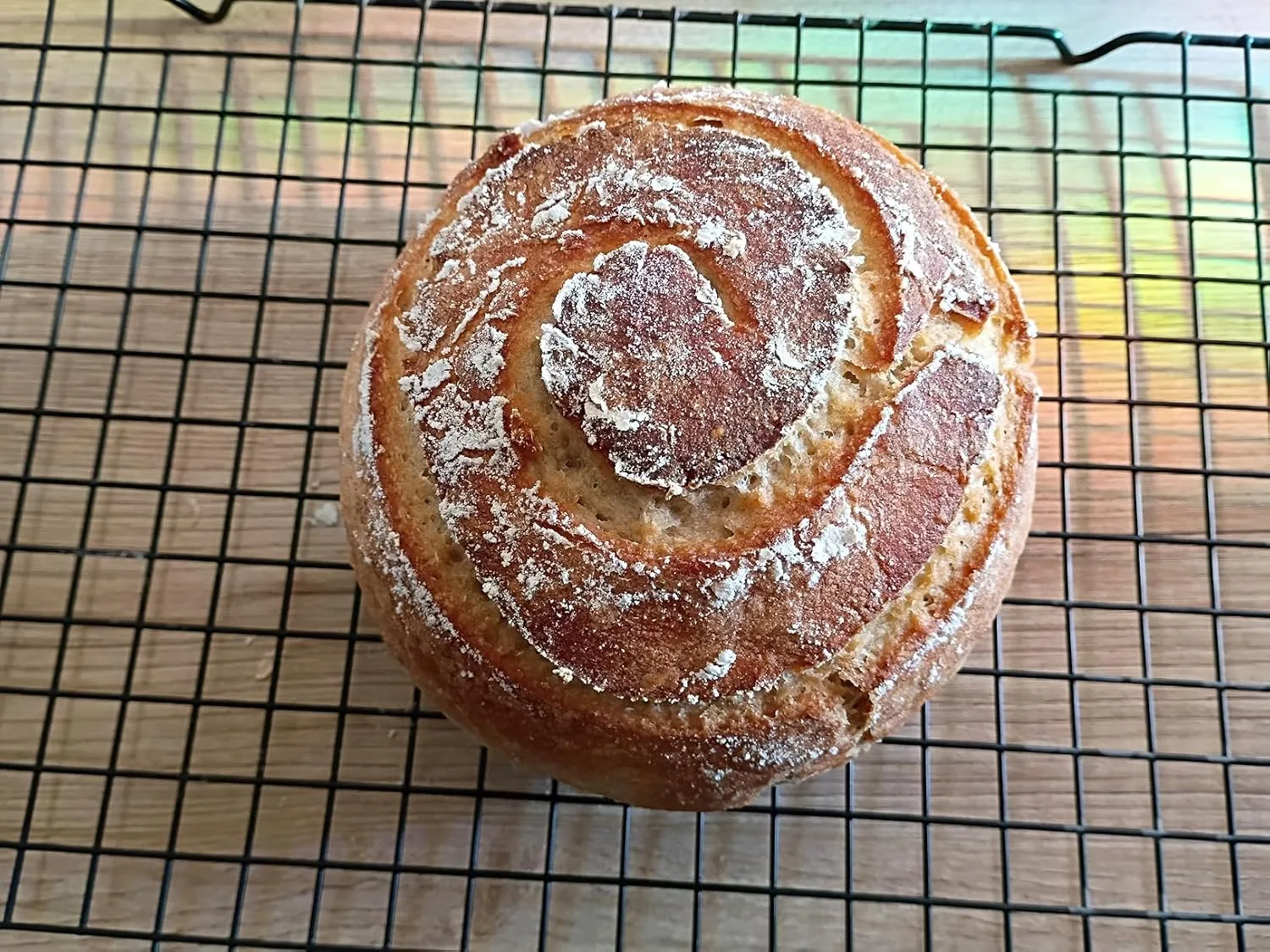
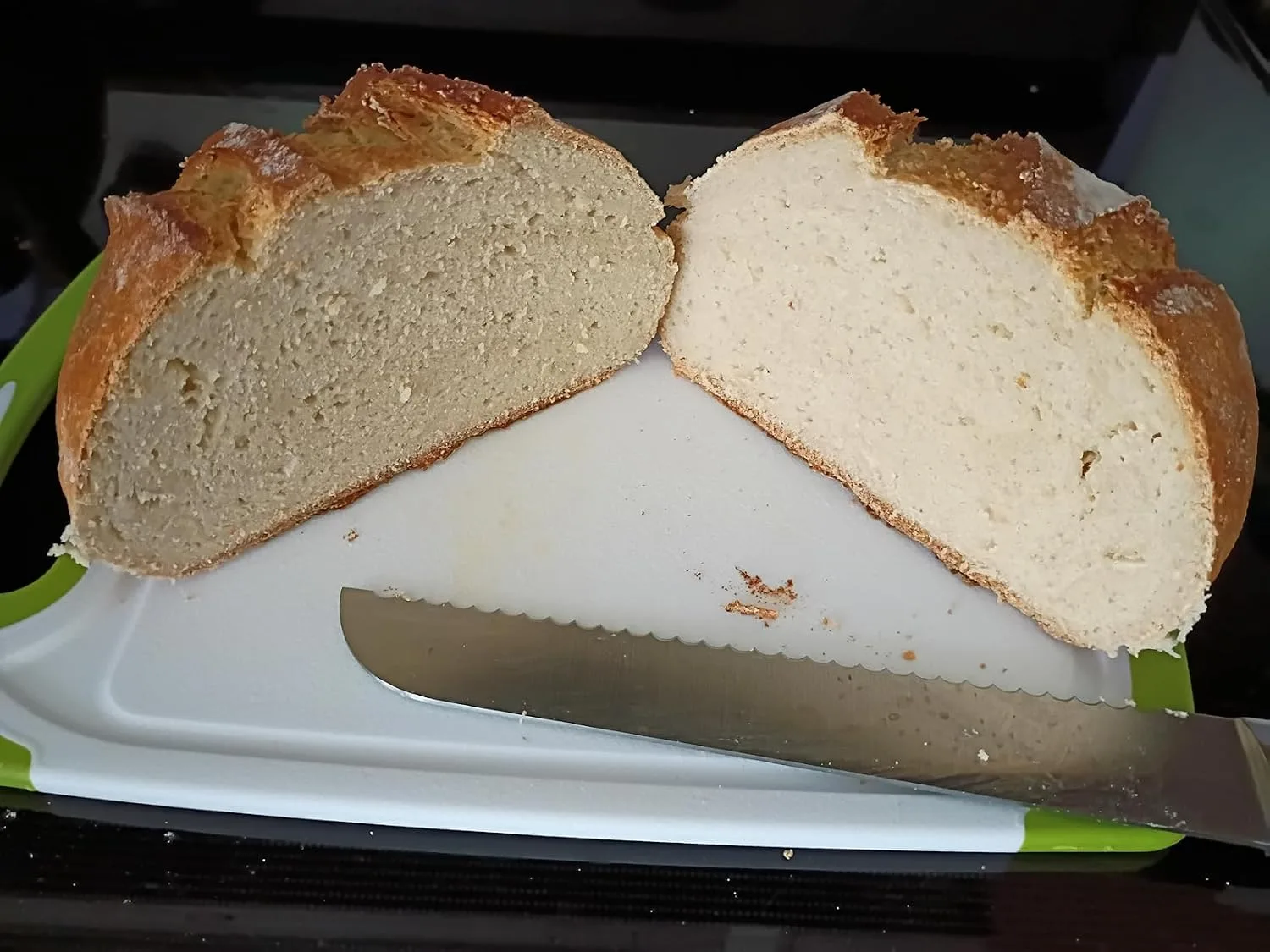
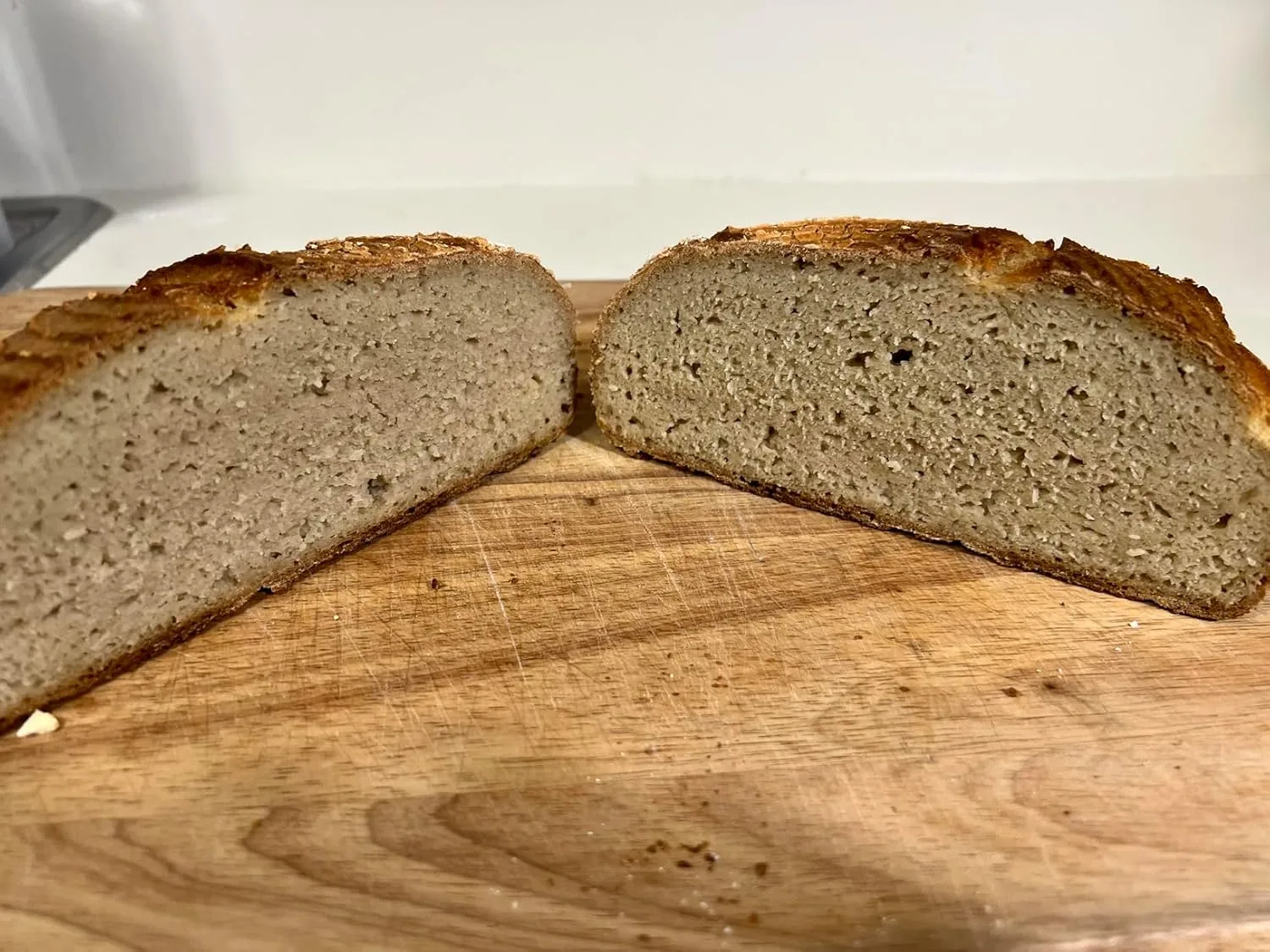
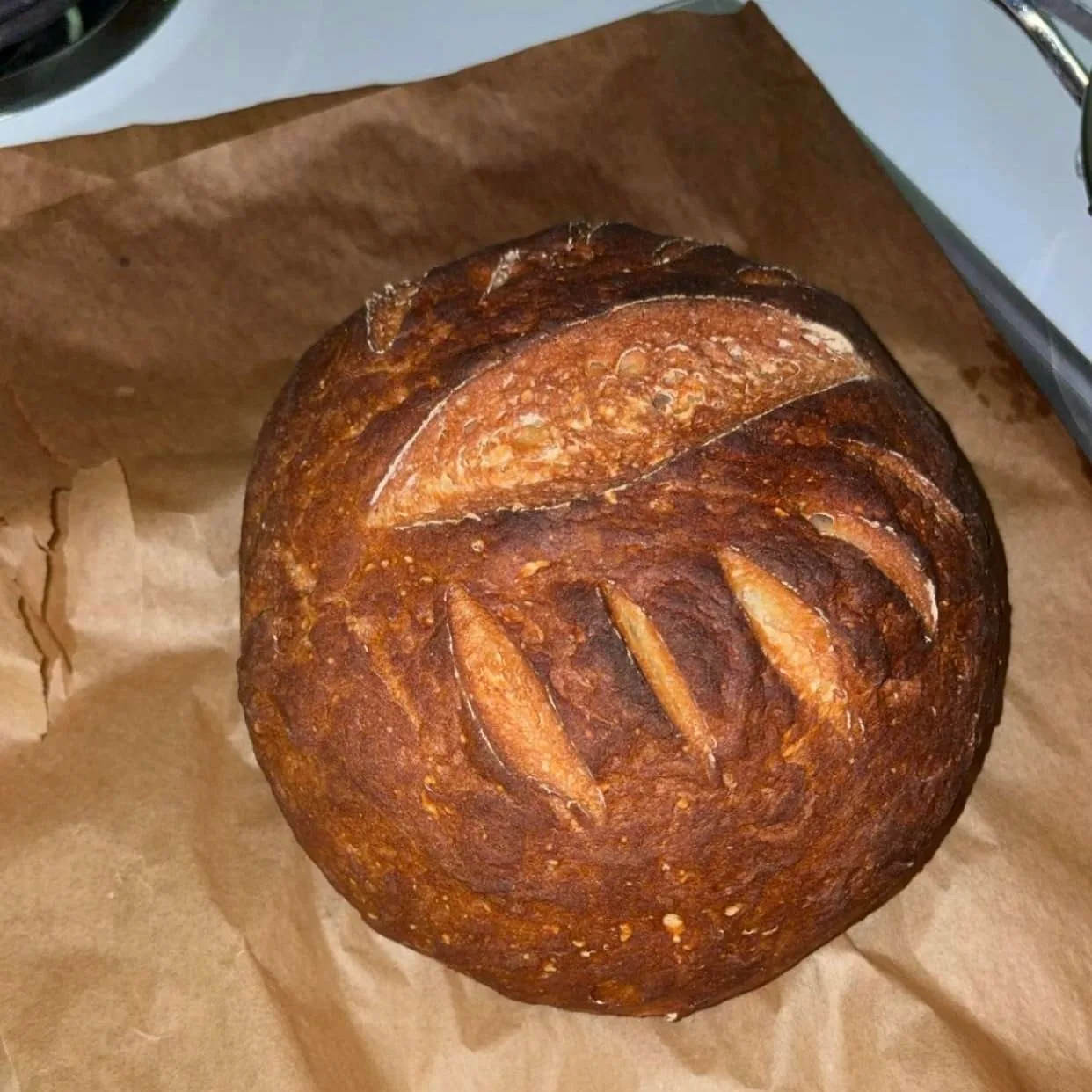
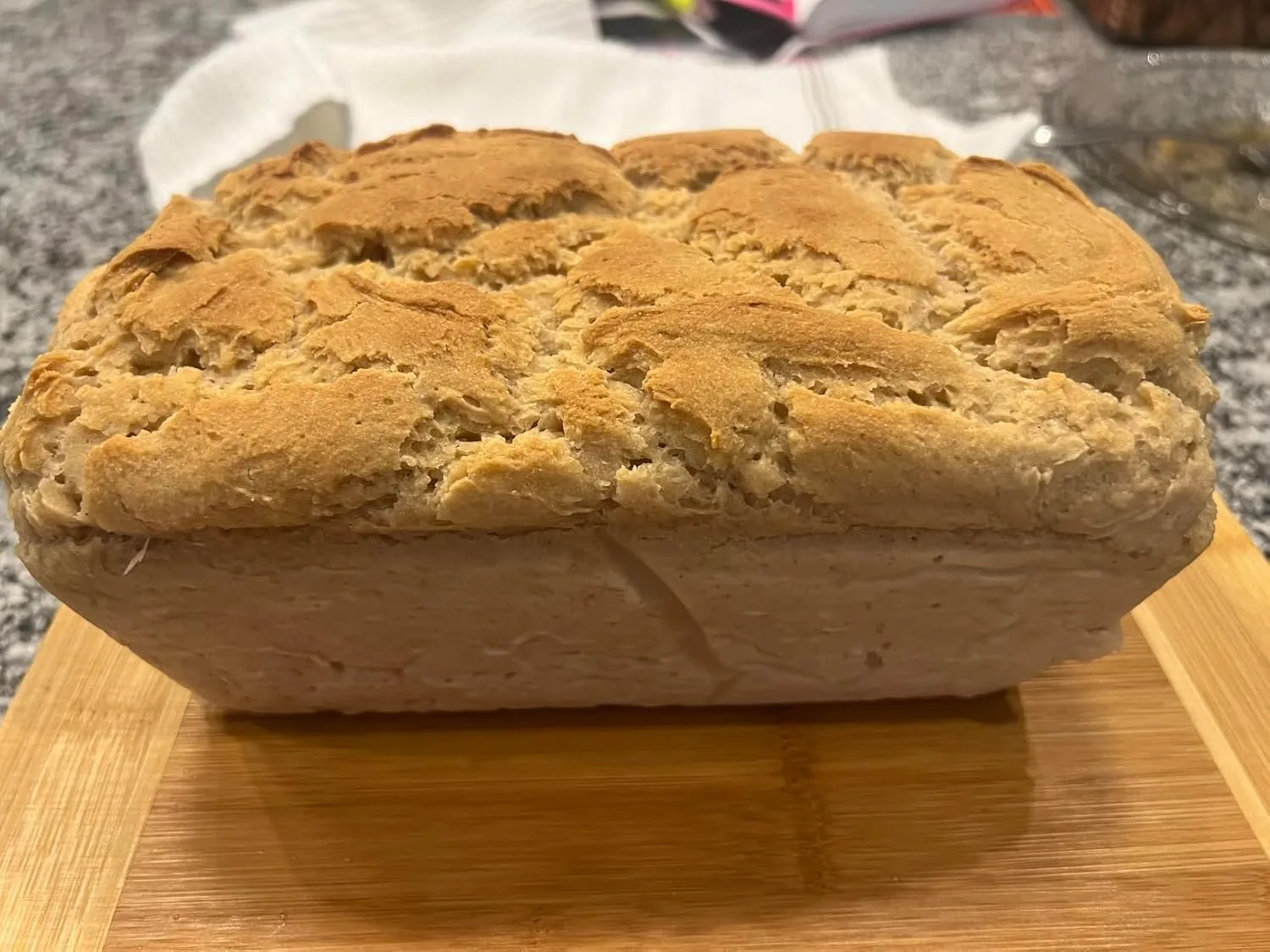
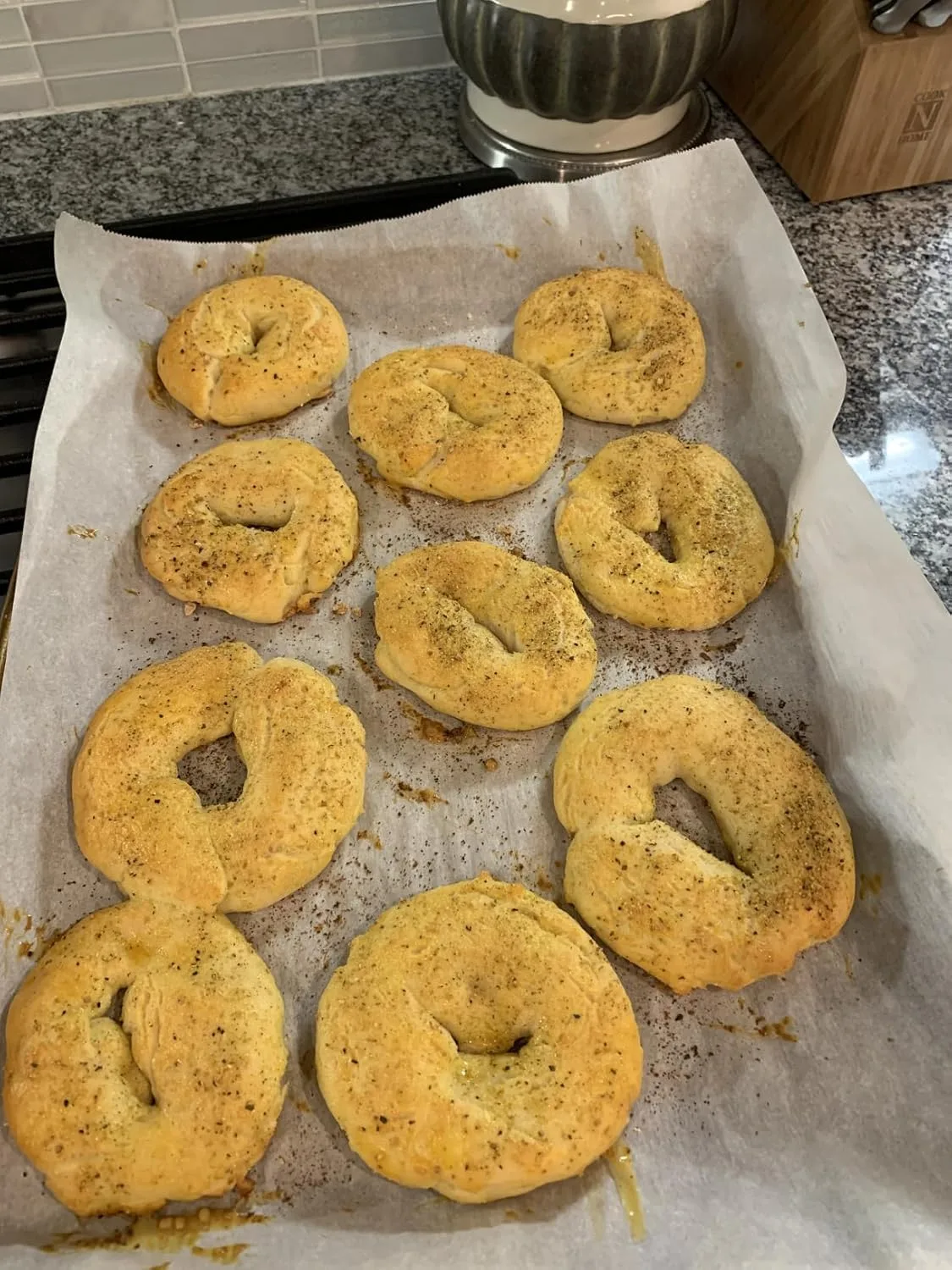
For everyday baking — cookies, muffins, cakes, and pancakes — I consistently point people towards King Arthur Measure for Measure Gluten-Free Flour. It is a true 1:1 substitute for wheat flour, Non-GMO, and Kosher certified, which means it meets a high standard of production integrity. People who have struggled to find a reliable all-purpose flour almost always come back to me pleased with this one. For those who also enjoy bread-making, the King Arthur Gluten-Free Bread Flour is formulated specifically for yeasted recipes — think artisan boules, bagels, and cinnamon rolls — and produces a texture that comes genuinely close to traditional wheat bread. If you prefer a pack format that offers great value and consistency, Bob’s Red Mill Gluten Free 1 to 1 Baking Flour is a trusted staple I recommend regularly, particularly for people who bake in larger quantities.

Testing for Ongoing Gluten Exposure: Tools Worth Knowing About
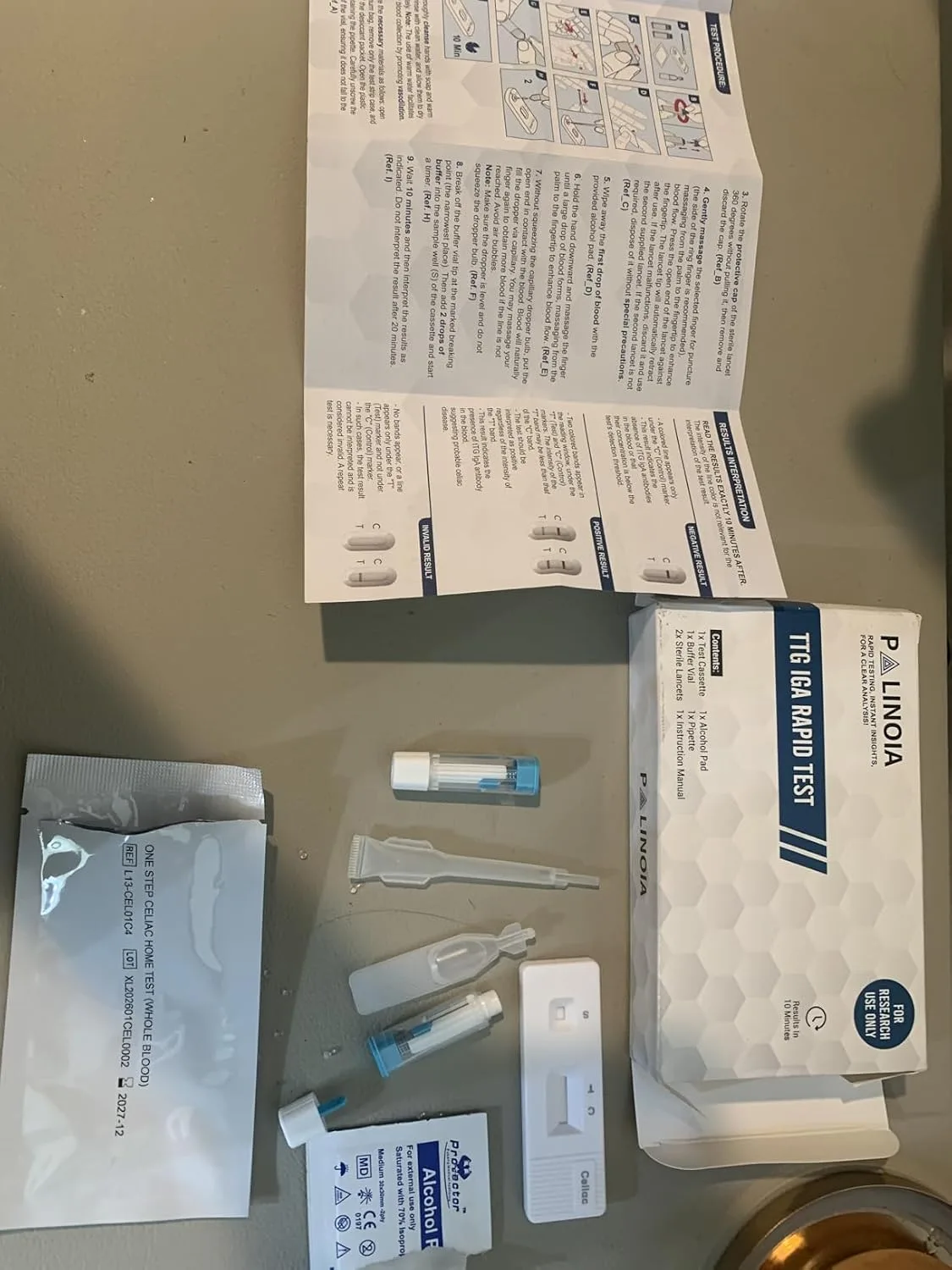
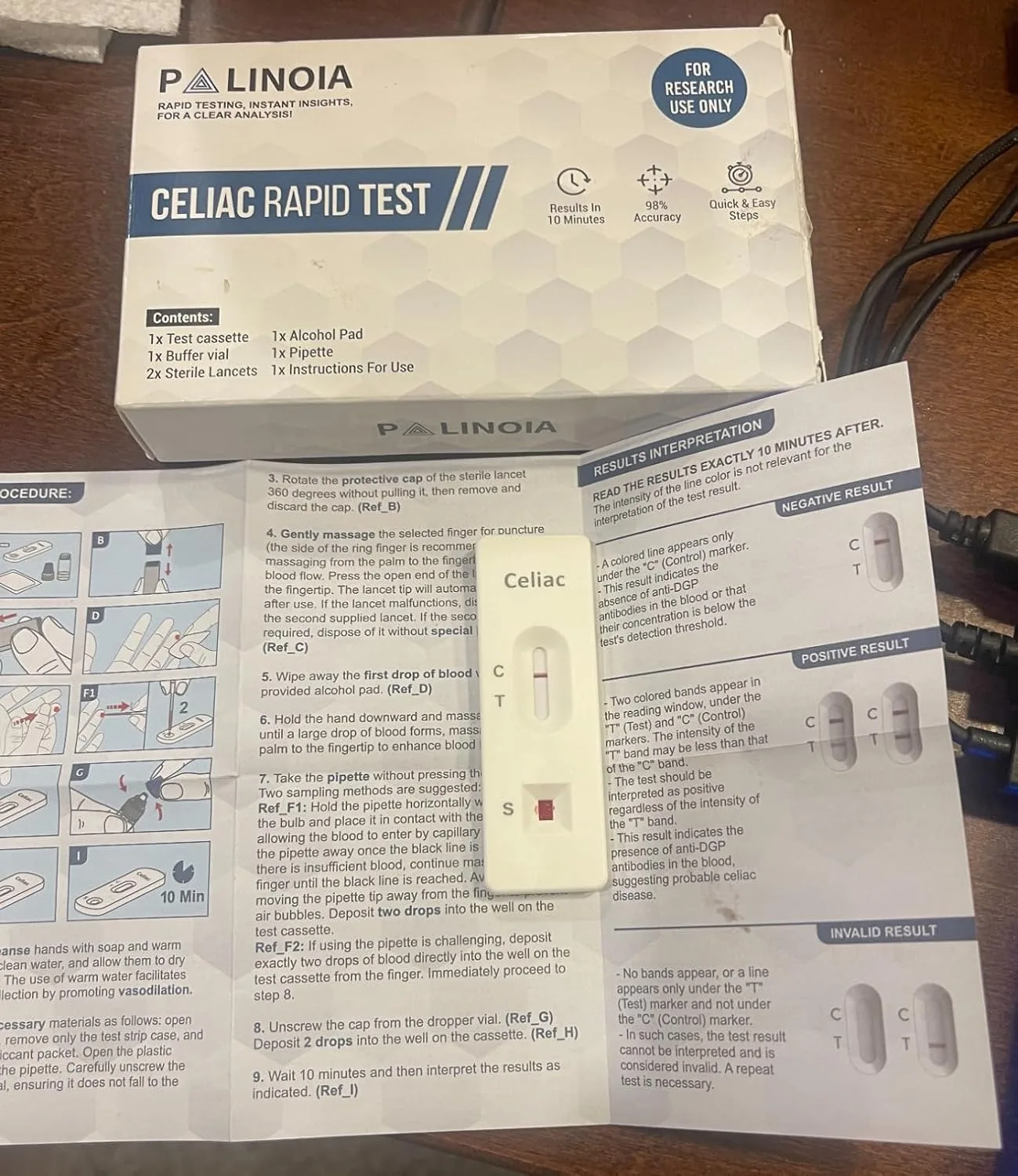
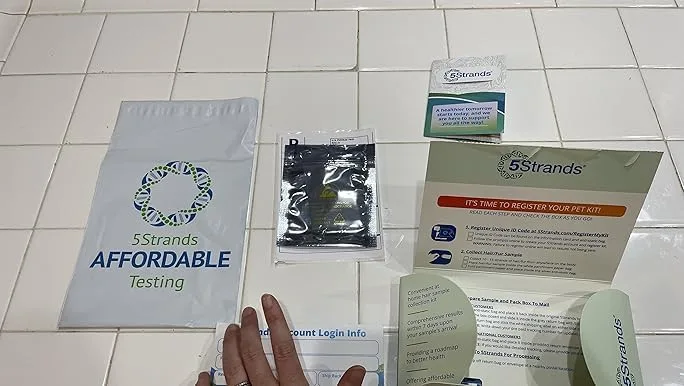
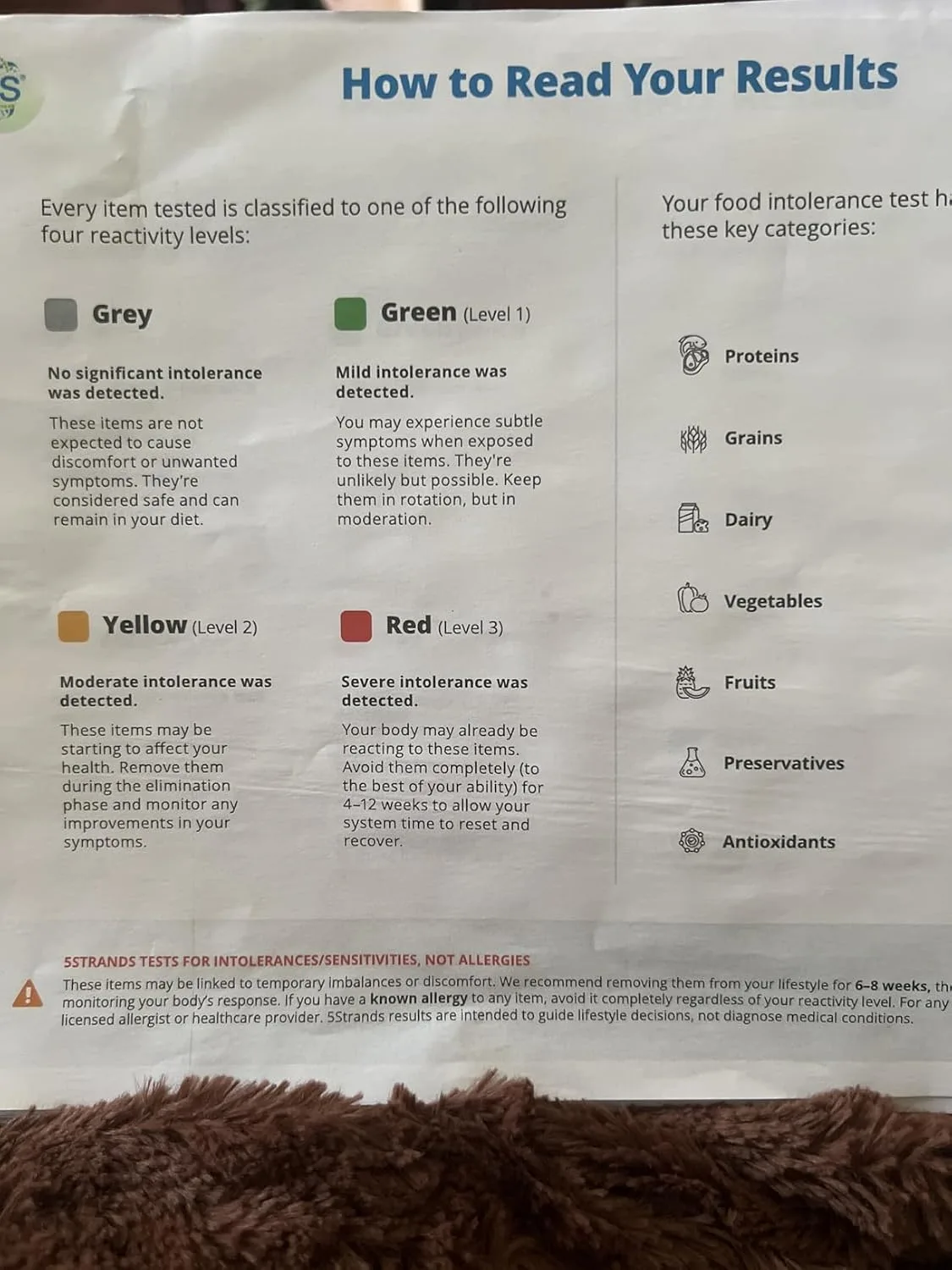
When someone is doing everything right but still experiencing symptoms, I sometimes suggest using a home testing tool to identify whether gluten exposure is genuinely occurring. These are particularly useful when travelling, eating away from home regularly, or when investigating a specific product. The Rapid and Accurate Gluten Sensitivity Test Kit for Coeliac Disease offers a quick at-home detection option that can add useful data to a clinical picture. For stool-based testing, which some research suggests may detect gluten exposure more reliably than blood or urine in certain contexts, the Gluten Detect Kit (2 Tests) is a home option worth considering. And for people who want a broader view of their food reactions beyond gluten alone, the 5Strands Food Intolerance Test — a hair analysis kit testing 658 items — can sometimes help identify whether additional food sensitivities are complicating the picture. I always use these tools to inform, not replace, a full clinical assessment and GP follow-up.
Mapping the full landscape of hidden gluten sources people with coeliac disease run into is genuinely one of the most important parts of my work. A diagnosis is only the starting point — the real work happens in the careful, systematic unpicking of a diet that looks gluten-free on the surface but may not hold up in practice.
Addressing the Fatigue and Brain Fog That Lingers After Going Gluten-Free
One of the most common reasons newly diagnosed people with coeliac disease stay symptomatic has nothing to do with hidden gluten — it’s iron deficiency. Undiagnosed coeliac disease damages the small intestine and impairs iron absorption, leaving many people depleted even after gluten is fully eliminated. If exhaustion and brain fog persist weeks into a genuinely gluten-free diet, iron levels are often the missing piece.
What works
- Vitamin C included in this formulation meaningfully improves iron absorption — particularly important for people with coeliac disease whose intestinal lining is still healing and whose absorption capacity remains compromised.
- B6, B12, and folate support energy metabolism and help address the neurological symptoms — brain fog, fatigue — that often linger even after gluten elimination, since these nutrients are absorbed alongside iron in the same intestinal region.
- People typically notice improved energy and mental clarity within 6–8 weeks, but only when iron levels were genuinely low to start with — which is exactly why testing before supplementing matters.
What doesn’t
- This supplement won’t help if fatigue is driven by something other than iron deficiency — thyroid dysfunction, B12 malabsorption from pernicious anaemia, or ongoing gluten exposure all need different interventions.
- If you have haemochromatosis, a history of iron overload, or are already taking iron supplements or certain medications (check interactions with antibiotics or bisphosphonates with your GP), don’t start this without professional guidance.
Always get your iron levels tested before starting supplementation—taking iron when you don’t need it can cause constipation, nausea, and potentially harmful accumulation over time. If your GP confirms iron deficiency, the Doctor’s Recipes Iron Supplement for Women Men is a solid, affordable option with the cofactors that matter for coeliac absorption.



About This Article

Written by Alex Mercer. Alex Mercer has lived with IBS since childhood and isn't a nutritionist or a doctor. After years of being told he was anxious or would grow out of it, he spent more than 12 years reading the research properly, and now shares what he has learned with the family, friends and support-group members who come to him with the same questions. He translates peer-reviewed research into practical, honest advice, and is always upfront about what the evidence does and does not show. More about this site.
Scope and limits. Alex is not a doctor, dietitian, or nutritionist, and nothing here is medical advice. Talk to a clinician before changing your diet, starting a supplement, or acting on symptoms — especially persistent or worsening ones.
Verify this against a primary source
Specifics change, and your situation may differ from the one described here. These are the authorities worth checking directly:
- NIDDK — digestive disease research and clinical guidance
- MedlinePlus — plain-language medical reference from the NIH
- Mayo Clinic — symptom and condition reference