I am a qualified nutritionist, not a gastroenterologist. The experiences shared here are personal and clinical observations. Always consult your doctor before starting any new supplement, especially if you take medication.
After fifteen years working with gut health clients, I thought I had seen every IBS trigger imaginable. Then my own cramping started. It came on gradually — a dull, squeezing discomfort across my lower abdomen, usually worse after lunch and almost predictable by Thursday afternoons. I had already cleaned up my diet, tracked my fibre intake, and trialled several probiotic protocols. Nothing was making a meaningful dent on the cramping specifically. That is when I turned my clinical curiosity toward IBgard peppermint oil IBS research, something I had recommended to clients but never personally road-tested over a structured period.
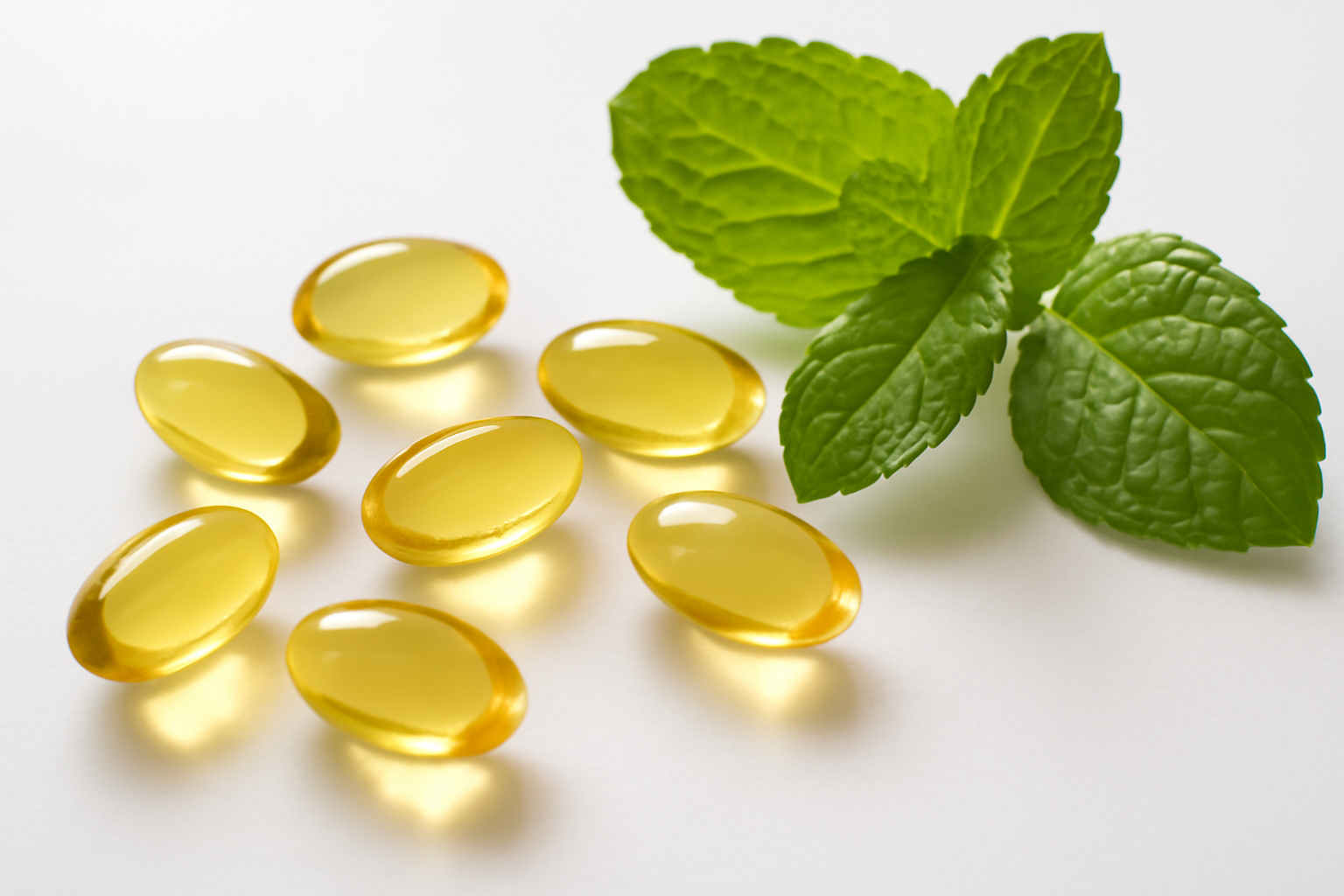
Peppermint oil has genuinely solid mechanistic evidence behind it. That matters to me. I am not interested in supplements that rely purely on anecdote. Research published in the Journal of Clinical Gastroenterology and a well-cited 2014 meta-analysis by Khanna, MacDonald, and Levesque confirmed that enteric-coated peppermint oil significantly reduced IBS symptoms versus placebo. The active compound, L-menthol, works by blocking calcium channels in smooth muscle, essentially telling your gut to stop contracting so aggressively. That mechanism resonated with my specific symptom profile.
The Peppermint Oil That Actually Reaches the Right Part of Your Gut
Not all peppermint oil supplements are created equal — standard capsules dissolve too early and lose their therapeutic effect before reaching the colon where IBS cramping typically originates. IBgard uses enteric coating to deliver peppermint oil exactly where it needs to go, which is why it’s become my go-to recommendation for clients whose primary complaint is lower abdominal cramping.
What works
- The enteric coating means the capsule survives stomach acid and releases in the small intestine and colon — clinical evidence shows this delivery method produces measurable cramping relief within 24 hours for most users, not days.
- Peppermint oil has genuine mechanistic support: it relaxes smooth muscle in the gut wall, which is the actual mechanism driving IBS spasm and that squeezing sensation — this isn’t placebo territory.
- In my practice, clients report the best results when taking IBgard between meals on an empty stomach; this timing allows the coating to work optimally and avoids the digestive load that sometimes triggers cramping in the first place.
What doesn’t
- If your IBS is primarily diarrhoea-driven rather than cramping-driven, peppermint oil can sometimes make things worse by increasing gut motility — this is one of those “know your symptom pattern” supplements.
- It won’t touch bloating or gas the way a low-FODMAP diet overhaul will, and if you take certain medications (blood thinners, calcium channel blockers, cyclosporine), you need to check with your GP first because peppermint can interact.
This is a genuinely helpful tool for IBS cramping, but it works best alongside trigger identification — if you’re still eating your personal trigger foods, no supplement will give you the relief you’re looking for. If you’ve identified your patterns and cramping remains your main complaint, try the IBgard Gut Health Supplement, Peppermint Oil Capsules for Abdominal Comfort, 48 Capsules.
This post contains affiliate links. As an Amazon Associate, I earn from qualifying purchases at no extra cost to you.
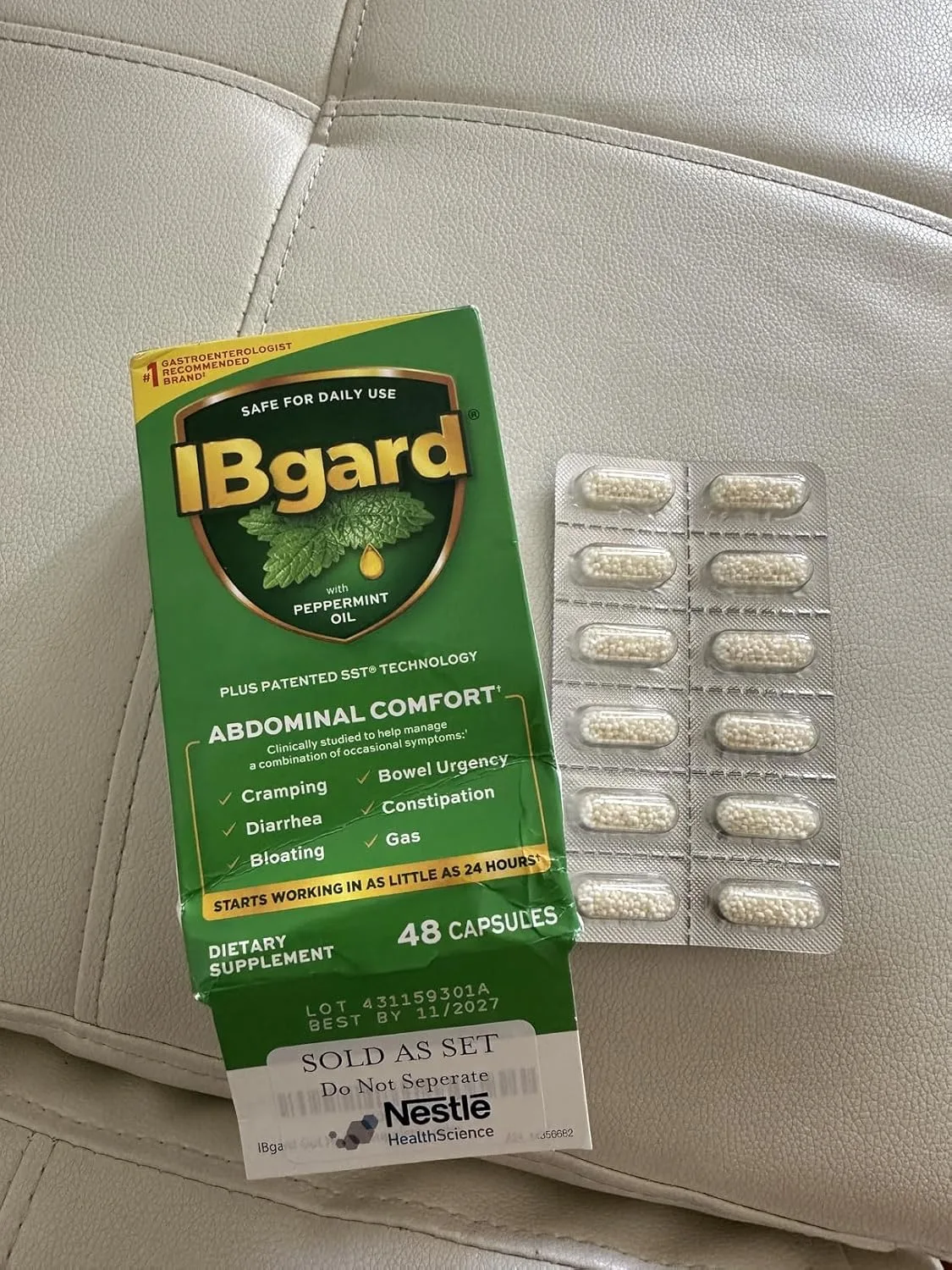
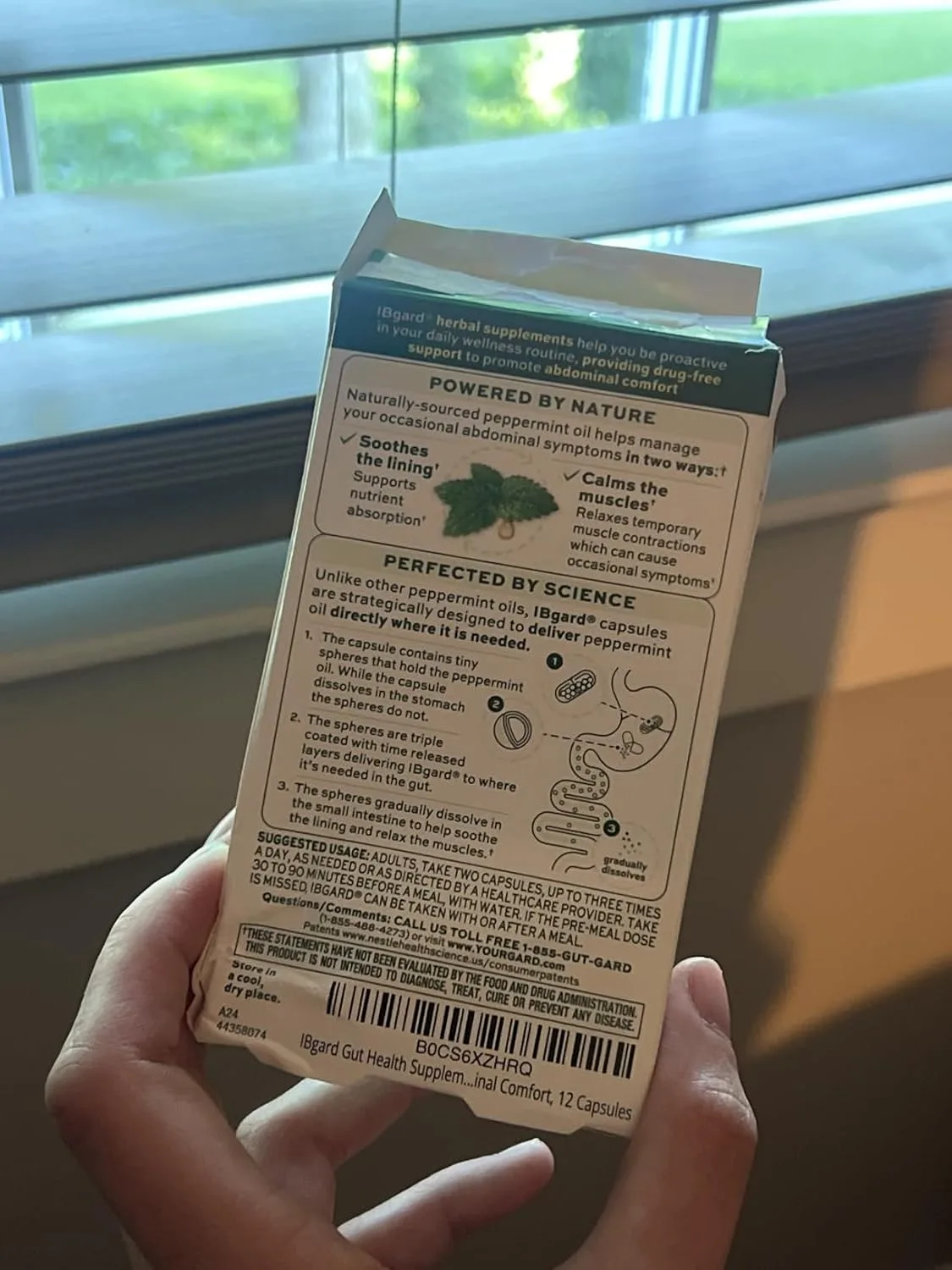
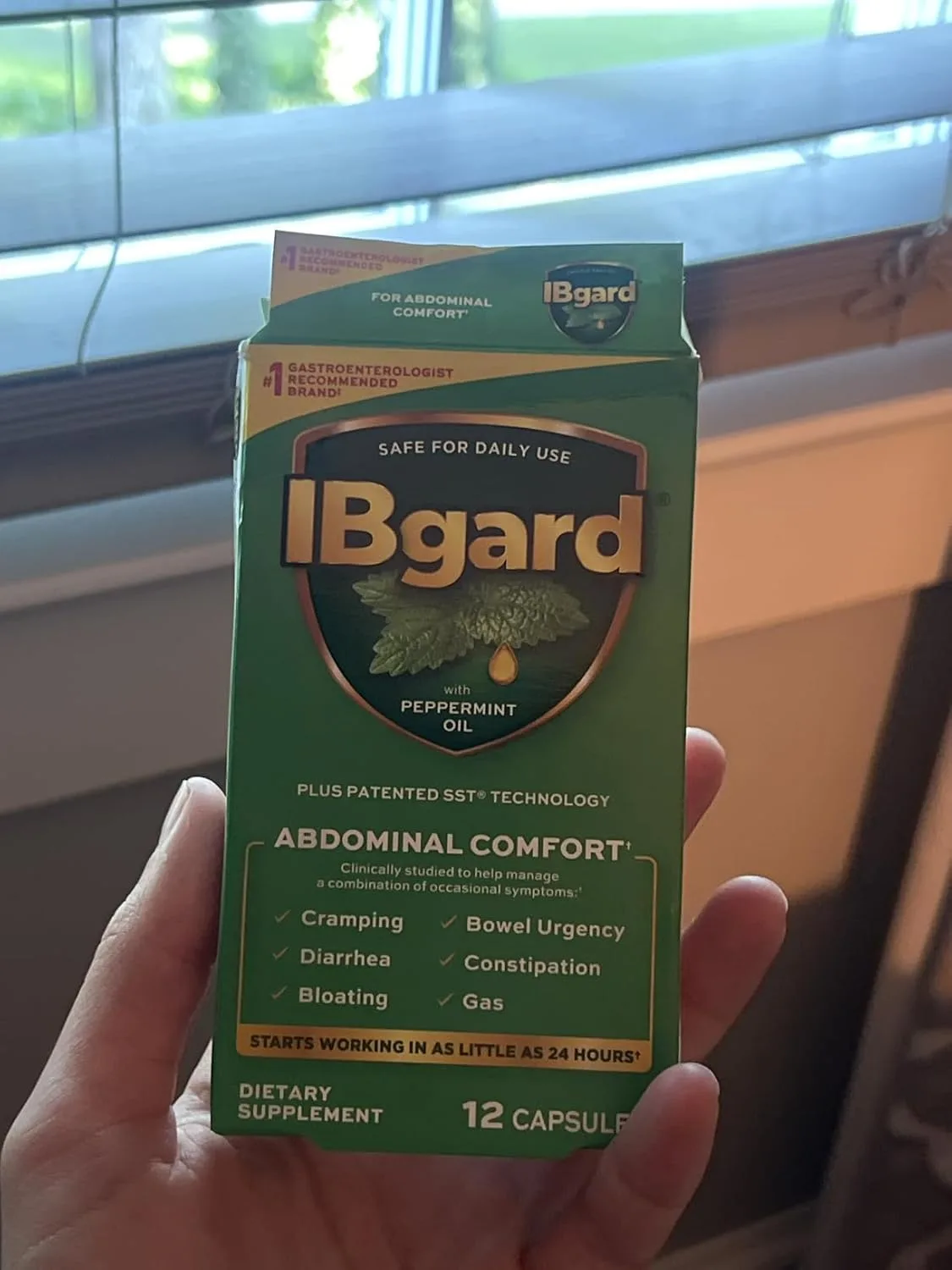
IBgard Gut Health Supplement, Peppermint Oil Capsules
I took it between meals on an empty stomach and felt the difference by the next morning.
Check Price on Amazon →