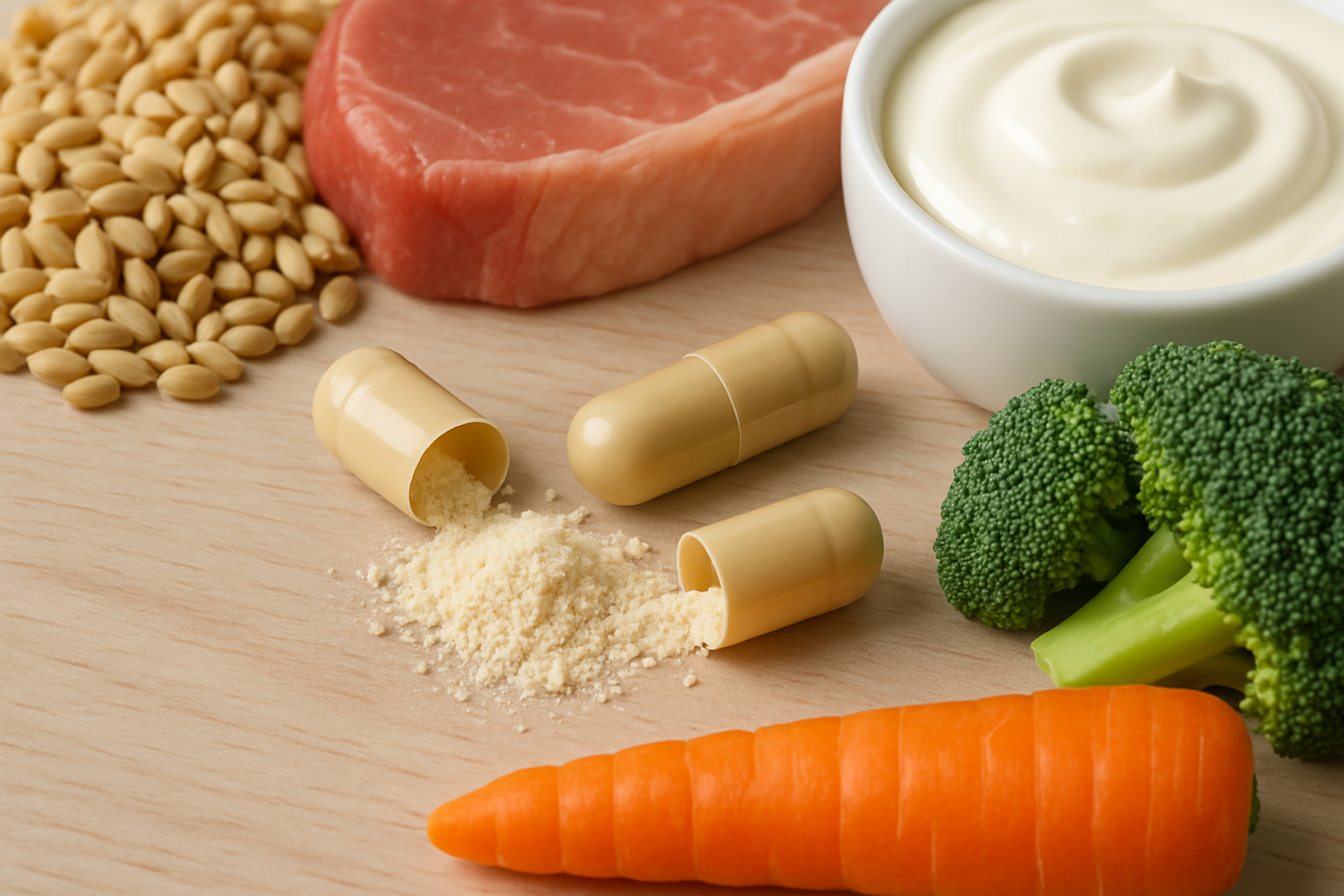
You know that feeling — you sit down to enjoy a meal you’ve been looking forward to all day, and about twenty minutes later, you’re bloated, uncomfortable, and wondering what went wrong. Maybe it happens with dairy. Maybe it’s every time you eat a big plate of beans or a rich, fatty dinner. If that sounds familiar, you’ve probably stumbled across the term “digestive enzymes” at some point and wondered whether a supplement might actually help. That’s exactly what this digestive enzymes supplement guide is here to explore — breaking down what these enzymes actually are, how they work, and whether adding a supplement to your routine makes sense for you.
What Digestive Enzymes Actually Are (And Why They Matter)
Here’s the simple version: digestive enzymes are proteins your body produces — mainly in your pancreas, small intestine, and salivary glands — that break food down into smaller pieces your body can actually absorb and use. Without them, even the most nutritious meal would pass right through you without delivering much benefit.
There are several key players in this process. Amylase breaks down carbohydrates and starches. Protease handles proteins. Lipase takes care of fats. Lactase — the one you’ve probably heard of — breaks down lactose, the sugar found in dairy. And cellulase helps with plant fiber. Each one has a specific job, and when any of them aren’t working at full capacity, you can start to feel it — usually in the form of gas, bloating, cramping, or that heavy, sluggish feeling after meals.
Research suggests that enzyme production can decline with age, and certain health conditions — like chronic pancreatitis, IBS, or small intestinal bacterial overgrowth — may also affect how efficiently your body produces and uses these enzymes. Even stress can play a role, since it diverts resources away from your digestive system.
Signs Your Digestive Enzymes Might Need a Boost
Not everyone needs a supplement, and I want to be upfront about that. But there are some pretty common experiences that many people share when their enzyme activity is lower than optimal. See if any of these feel familiar:
- Feeling bloated or gassy after most meals, especially ones high in fat, protein, or fiber
- Noticing undigested food in your stool
- Experiencing stomach discomfort after eating dairy
- Feeling unusually full or “heavy” even after a moderate-sized meal
- Dealing with frequent loose stools or inconsistent bowel movements
- Fatigue after eating, which may suggest poor nutrient absorption
Again, these symptoms can have many causes, so please do talk to your doctor if they’re persistent or severe. But if you’ve ruled out other issues and still feel like your digestion is just “off,” enzyme support may be worth exploring.
Your Digestive Enzymes Supplement Guide: What to Look For
The supplement aisle — or the Amazon search results — can be genuinely overwhelming when it comes to digestive enzymes. Here’s what I’ve learned to look for when evaluating a product.
First, look for a broad-spectrum formula. A good enzyme supplement should cover multiple food types — carbohydrates, proteins, fats, fiber, and dairy — rather than targeting just one. Second, pay attention to enzyme activity units listed on the label (like HUT for protease or FCC units), not just milligrams, since activity is what actually matters. Third, consider whether the product is vegetarian or plant-based if that’s important to you — most high-quality options these days use microbial-derived enzymes that work across a wider pH range than animal-derived ones. Finally, look for brands that are transparent about sourcing, third-party tested, and free of unnecessary fillers.
Some people with low stomach acid may also benefit from a formula that includes Betaine HCl, which may support the acidic environment your stomach needs to activate certain enzymes properly. This is particularly common in older adults or those who’ve been on acid-reducing medications long-term.
Products Worth Trying
I’ve spent time researching and comparing digestive enzyme supplements, and these are the ones I feel good about recommending based on quality, formulation, and customer feedback.
The Broad-Spectrum Enzyme Formula I Recommend When Bloating Happens Across Multiple Foods
If your bloating isn’t tied to one specific food group — if beans, dairy, fats, and proteins all seem to cause trouble — you need an enzyme blend that covers the full digestive spectrum rather than a single-purpose supplement. This is where a comprehensive formula becomes useful.
What works
- Covers all three macronutrient categories (protease for protein, lipase for fat, amylase for carbs), so you’re not guessing which enzyme you actually need.
- Includes additional enzymes like alpha-galactosidase, which specifically targets the indigestible carbohydrates in beans and cruciferous vegetables that trigger gas.
- Clients who take this consistently report noticeably less bloating within 3–5 days, particularly with heavier or mixed meals.
What doesn’t
- Won’t help if your bloating is actually caused by food sensitivities (like coeliac disease or lactose intolerance) — enzyme supplements can’t break down proteins your immune system is reacting to.
- If you have SIBO or severe IBS, taking enzymes without addressing the underlying bacterial overgrowth can sometimes worsen symptoms; talk to your GP before starting.
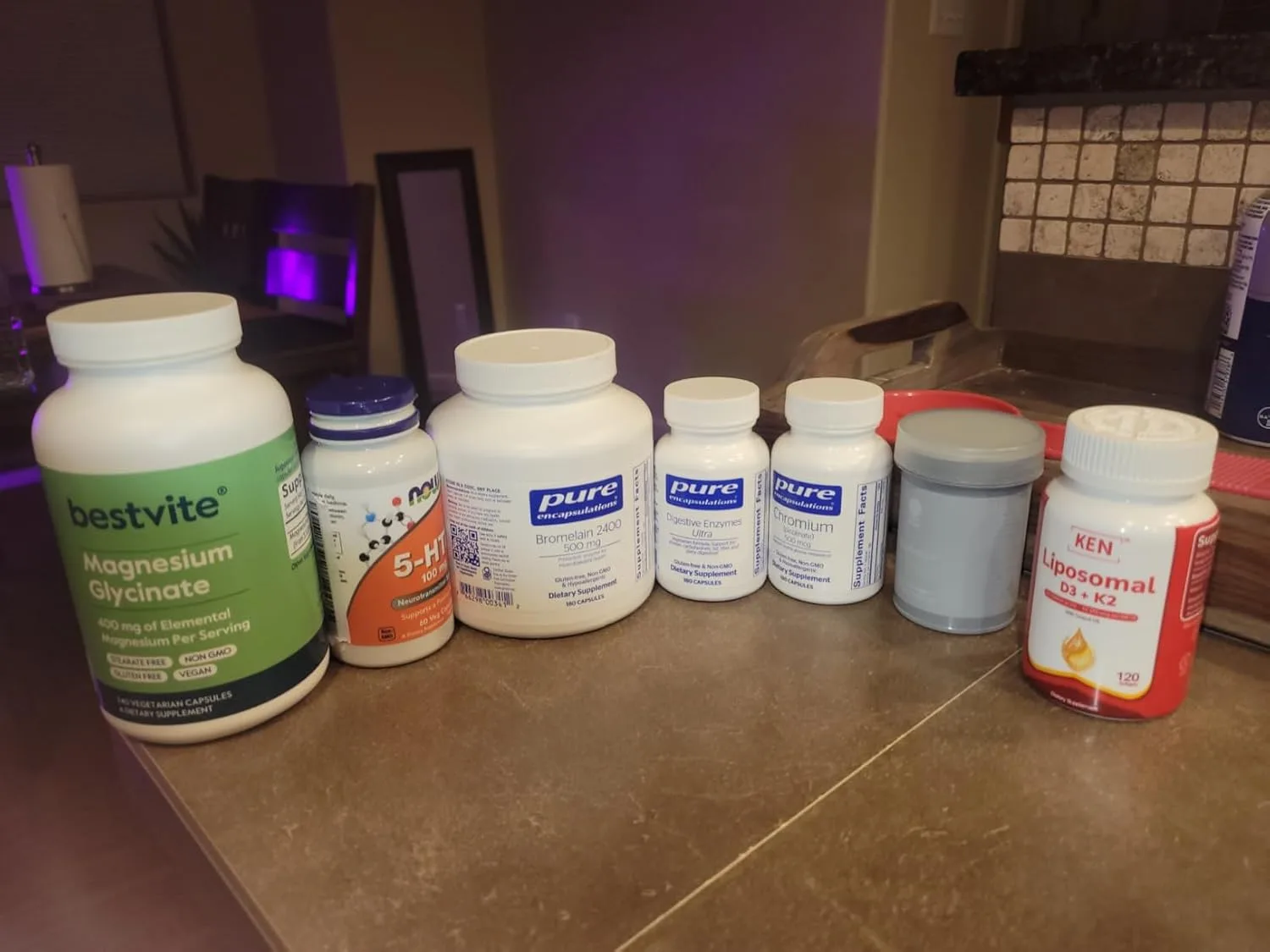
Enzyme supplements work best as a short-term tool while you’re identifying trigger foods — they’re not a long-term substitute for figuring out what your gut actually needs. If bloating persists after 2 weeks of consistent use, it’s worth exploring whether a food sensitivity or motility issue is at play. Pure Encapsulations Digestive Enzymes Ultra is my go-to recommendation for clients who need that broad-spectrum coverage.
This post contains affiliate links. As an Amazon Associate, I earn from qualifying purchases at no extra cost to you.


This post contains affiliate links. As an Amazon Associate, I earn from qualifying purchases. This means I may earn a small commission if you click through and make a purchase — at no extra cost to you. I only recommend products I believe are worth your time and money.