You used to be able to wolf down a big bowl of pasta, grab a slice of pizza late at night, or enjoy a spicy meal without a second thought. Then somewhere around your 40th birthday — or maybe a little after — things started to shift. Suddenly you’re bloated after meals that never bothered you before, feeling heavy and sluggish hours after eating, or noticing that foods you’ve always loved just don’t agree with you anymore. If any of that sounds familiar, you’re not imagining things. There’s a real, physiological reason this happens, and understanding the connection between digestive enzymes after 40 aging can genuinely change how you feel every single day.
What’s Actually Happening to Your Digestion as You Age
Here’s the honest truth: your digestive system is not broken. It’s just aging — and aging comes with some real, measurable changes that most doctors don’t spend much time explaining during a routine checkup.
One of the biggest shifts is a natural decline in enzyme production. Your body produces digestive enzymes in your salivary glands, stomach, pancreas, and small intestine. These enzymes are the workhorses of digestion — they break down proteins, fats, and carbohydrates into forms your body can actually absorb and use. Research suggests that pancreatic enzyme output can decline meaningfully as we get older, making it harder to fully process the foods we eat.
At the same time, stomach acid production often decreases with age — a condition called hypochlorhydria. This matters more than most people realize. Stomach acid doesn’t just help digest food; it also activates pepsin (the enzyme that breaks down protein), signals the release of bile and pancreatic enzymes, and helps your body absorb critical nutrients like B12, iron, magnesium, and zinc. Less acid can mean less of all of that.
Add in slower gut motility (food moving more slowly through your digestive tract), changes in your gut microbiome, and potentially years of stress, medications, and less-than-ideal eating habits, and you’ve got a recipe for the bloating, gas, heartburn, constipation, and fatigue that so many people over 40 quietly put up with.
The Role of Digestive Enzymes After 40: What the Research Says
So where do digestive enzyme supplements come in? The idea is pretty straightforward: if your body is producing fewer enzymes on its own, supplementing with them before or during meals may help fill that gap. Many people find that taking a broad-spectrum digestive enzyme supplement makes a noticeable difference in how they feel after eating — less bloating, less heaviness, more consistent digestion overall.
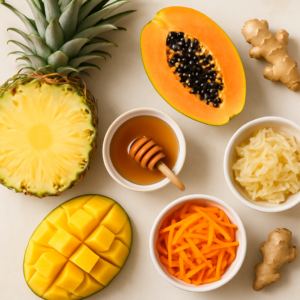
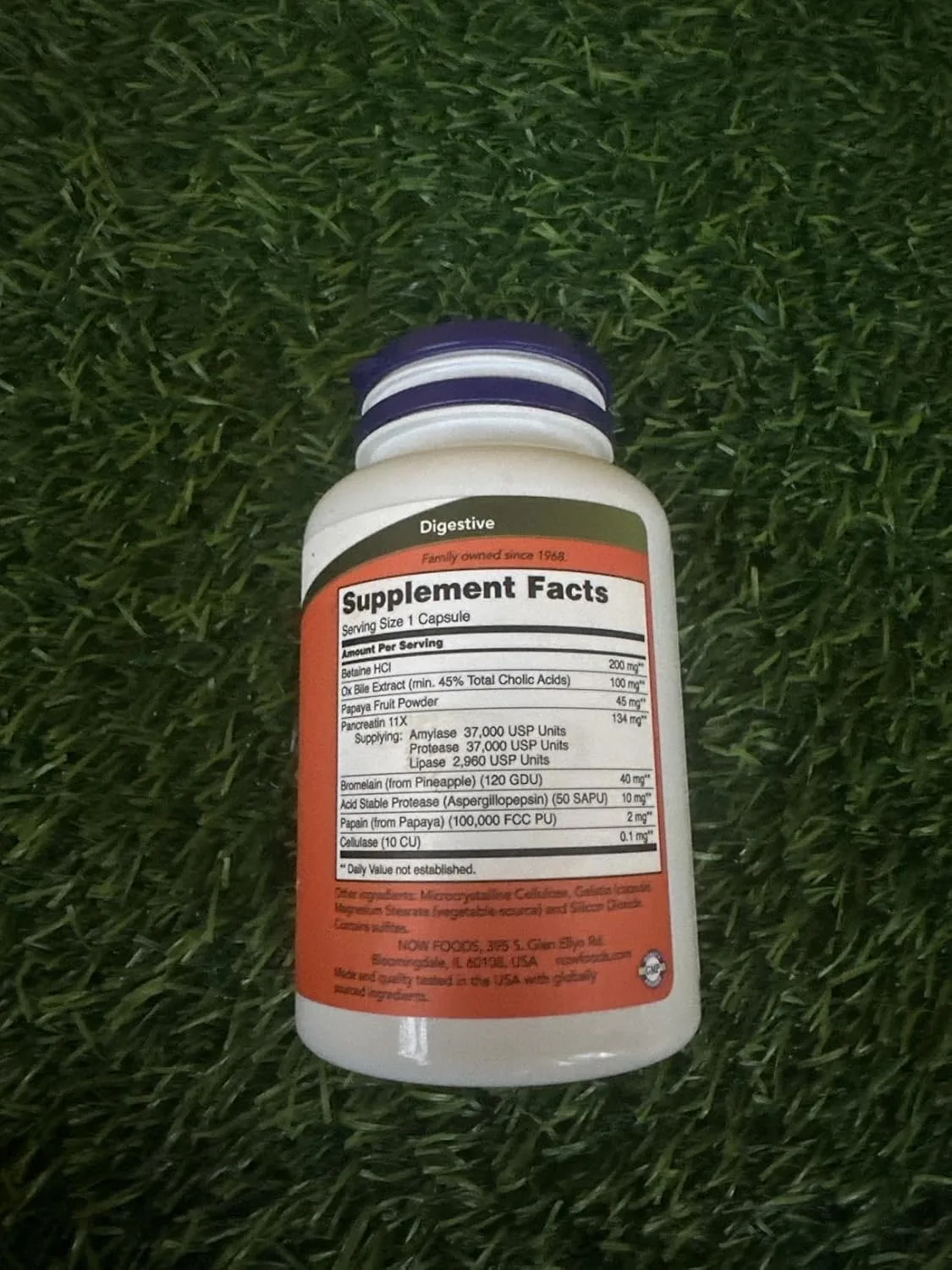
Research on enzyme supplementation is encouraging. Studies suggest that enzymes like bromelain (from pineapple), papain (from papaya), and pancreatin (a combination of lipase, protease, and amylase) may support the breakdown of proteins, fats, and starches respectively. Ox bile, often included in more comprehensive formulas, may support fat digestion — particularly important since bile production and flow can also slow with age.
It’s worth noting that enzyme supplements aren’t a cure-all, and they work best as part of a broader approach to digestive health that includes eating slowly, chewing thoroughly, managing stress, and staying hydrated. But for many people over 40, they can be a genuinely helpful piece of the puzzle.
Don’t Overlook Stomach Acid — It’s More Important Than You Think
One thing that often gets missed in conversations about aging digestion is stomach acid. Many people assume their heartburn or discomfort means they have too much acid — but in people over 40, it’s quite often the opposite. Low stomach acid can actually mimic the symptoms of high stomach acid, including that uncomfortable burning feeling, because undigested food sits in the stomach longer and ferments.
Betaine HCl supplements are designed to support healthy stomach acid levels. Research suggests that for people with low stomach acid, Betaine HCl taken with meals may support protein digestion and nutrient absorption. That said, this is one area where I’d encourage you to do some reading and ideally chat with a healthcare provider before diving in — especially if you’re already taking acid-reducing medications or have a history of ulcers.
Products Worth Trying
I’ve spent a lot of time researching enzyme supplements, and the options below are ones I think are genuinely worth considering. They cover a range of needs and budgets, and each has a solid formulation behind it.
The Enzyme Blend I Recommend When Stomach Acid Starts Declining
If you’re experiencing that heavy, sluggish feeling after meals — especially with protein or fat — a broad-spectrum digestive enzyme can bridge the gap while your body adjusts to lower acid production. This isn’t about forcing digestion to happen; it’s about giving your system the temporary support it needs while you figure out what’s actually going on.
What works
- The multi-enzyme formula (protease, amylase, and lipase) covers the three main macronutrients, so you’re not just targeting protein digestion — you’re supporting the whole meal breakdown.
- Most clients report noticeable improvement in bloating and that post-meal heaviness within 3–5 days of consistent use, particularly with larger or richer meals.
- At this price point, it’s affordable enough to trial for 2–3 weeks without significant investment, which matters when you’re still figuring out whether enzymes are actually your missing piece.
What doesn’t
- Enzymes won’t help if your bloating is driven by food intolerances (like lactose or gluten), FODMAP sensitivity, or dysbiosis — you’ll be treating the symptom, not the cause, and you may miss what actually needs addressing.
- If you have a history of pancreatic disease, severe acid reflux, or you’re on medications that affect stomach acid (like PPIs), talk to your GP before starting; enzymes work best in the right pH environment, and some conditions change that equation.
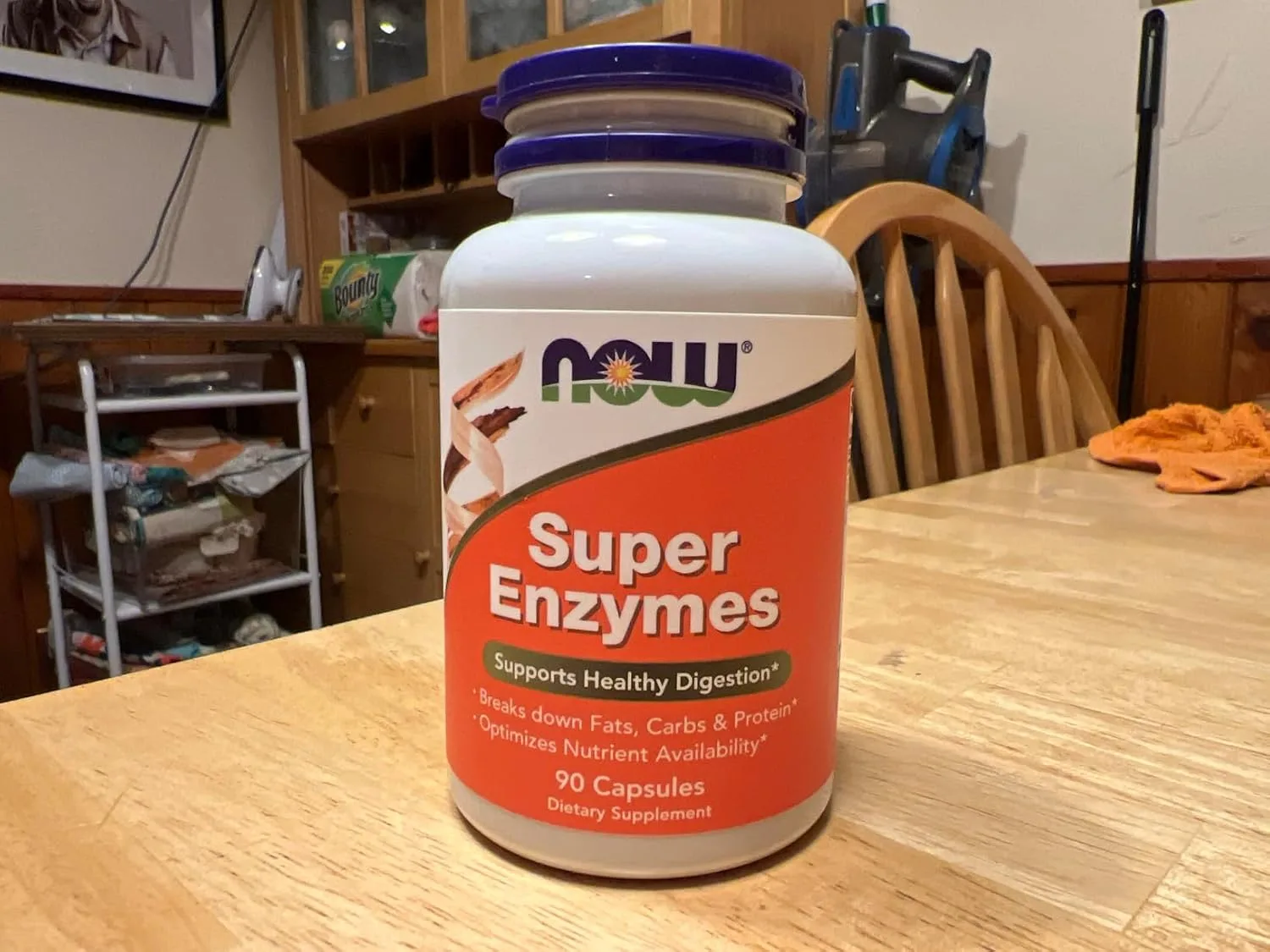
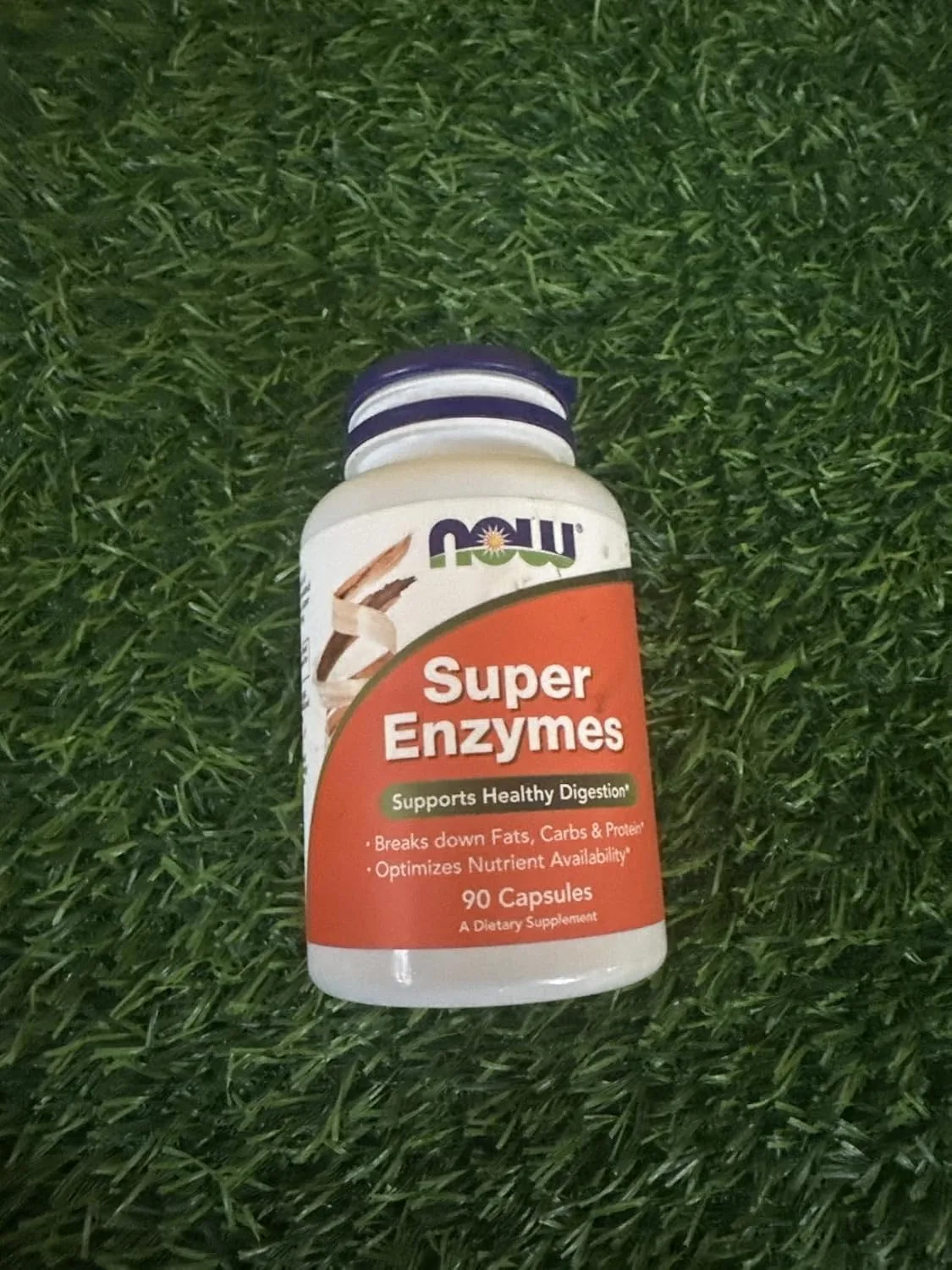
Enzymes are a helpful band-aid while you investigate what’s driving the change in your digestion — not a permanent fix or a substitute for identifying the root cause. If bloating and heaviness persist beyond 2–3 weeks of enzyme use, or if you’re experiencing pain, that’s a sign to see your GP and consider further testing. Try NOW Supplements Super Enzymes (90 Capsules) as a realistic starting point.
This post contains affiliate links. As an Amazon Associate, I earn from qualifying purchases at no extra cost to you.
This post contains affiliate links. As an Amazon Associate, I earn from qualifying purchases. This means if you click a link and make a purchase, I may earn a small commission at no extra cost to you. I only recommend products I believe may genuinely support your digestive health goals.