If you’ve ever stood in the grocery store dairy aisle holding a container of kefir in one hand and a tub of yogurt in the other, genuinely unsure which one is actually going to do more for your gut, you’re in good company. I’ve been there too — more times than I’d like to admit. And when I started diving deeper into the research around kefir vs yogurt gut health, I realized the answer is a lot more nuanced — and more interesting — than a simple “one wins, one loses.” So let me walk you through what I’ve learned, so you can make the best choice for your own digestive wellness journey.
What Makes These Two Fermented Foods So Special?
Before we get into the head-to-head comparison, it helps to understand what’s actually going on inside these foods. Both kefir and yogurt are fermented dairy products, which means they’ve gone through a process where beneficial microorganisms break down the lactose and proteins in milk. That fermentation process is exactly what gives them their gut-friendly properties — it’s not magic, it’s microbiology.
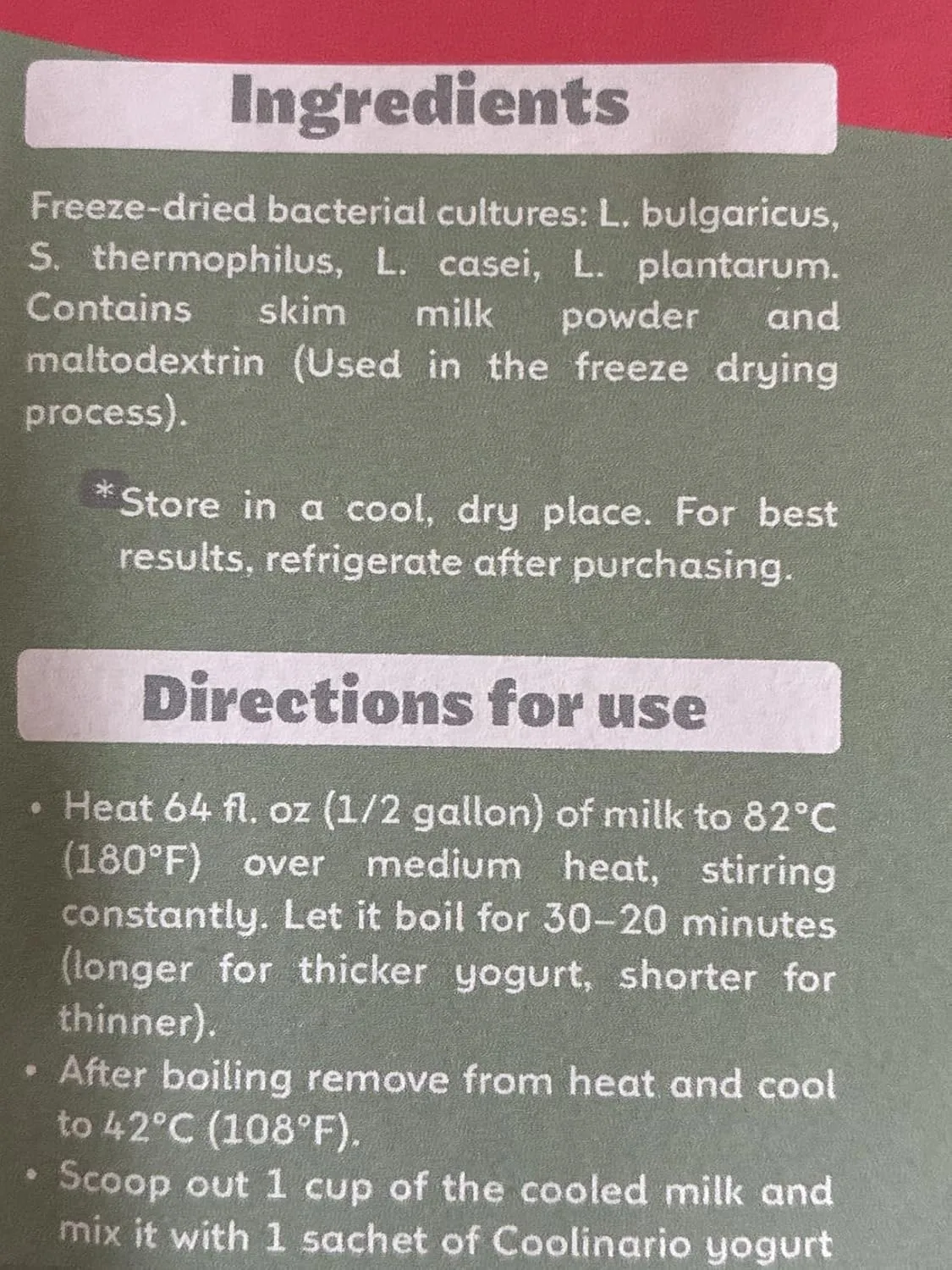
Yogurt is made by fermenting milk with specific bacterial strains, most commonly Lactobacillus bulgaricus and Streptococcus thermophilus. The result is that thick, creamy, tangy food we all know well. Kefir, on the other hand, is fermented using something called kefir grains — a complex, symbiotic colony of bacteria and yeasts. That distinction matters more than you might think.
Kefir vs Yogurt Gut Health: Breaking Down the Key Differences
Probiotic Diversity and Count
Here’s where kefir tends to pull ahead in most research. A typical serving of yogurt may contain anywhere from 1 to 6 strains of live bacteria. Kefir, because of its more complex grain-based fermentation, may contain anywhere from 12 to 61 different strains of bacteria and yeasts, depending on the source. Research published in the journal Nutrients suggests that this microbial diversity in kefir may support a more varied gut microbiome, and a diverse microbiome is generally considered a hallmark of good digestive health.
That said, more strains doesn’t automatically mean better results for everyone. Many people find that consistent consumption of even a simple, high-quality yogurt makes a meaningful difference in how their digestion feels day to day.
Lactose Tolerance
If dairy and your digestive system have a complicated relationship, this one’s worth paying attention to. Kefir is often better tolerated by people with lactose sensitivity. The fermentation process in kefir tends to break down more of the lactose than standard yogurt fermentation does. Several small studies suggest that people with lactose intolerance experience fewer symptoms when consuming kefir compared to regular milk — and sometimes even compared to yogurt. If you’ve written off dairy entirely because of digestive discomfort, kefir might be worth a careful, gradual reintroduction.
Protein and Nutritional Profile
Greek yogurt has a meaningful edge here. Because of the straining process, Greek yogurt concentrates the protein significantly — often delivering 15 to 20 grams per serving. Kefir is thinner and drinkable, with a lower protein content per cup. If you’re using your fermented dairy as a post-workout recovery option or a protein-rich snack, Greek yogurt may be the more practical choice. Regular kefir, though, tends to win on overall probiotic complexity.
Ease of Making at Home
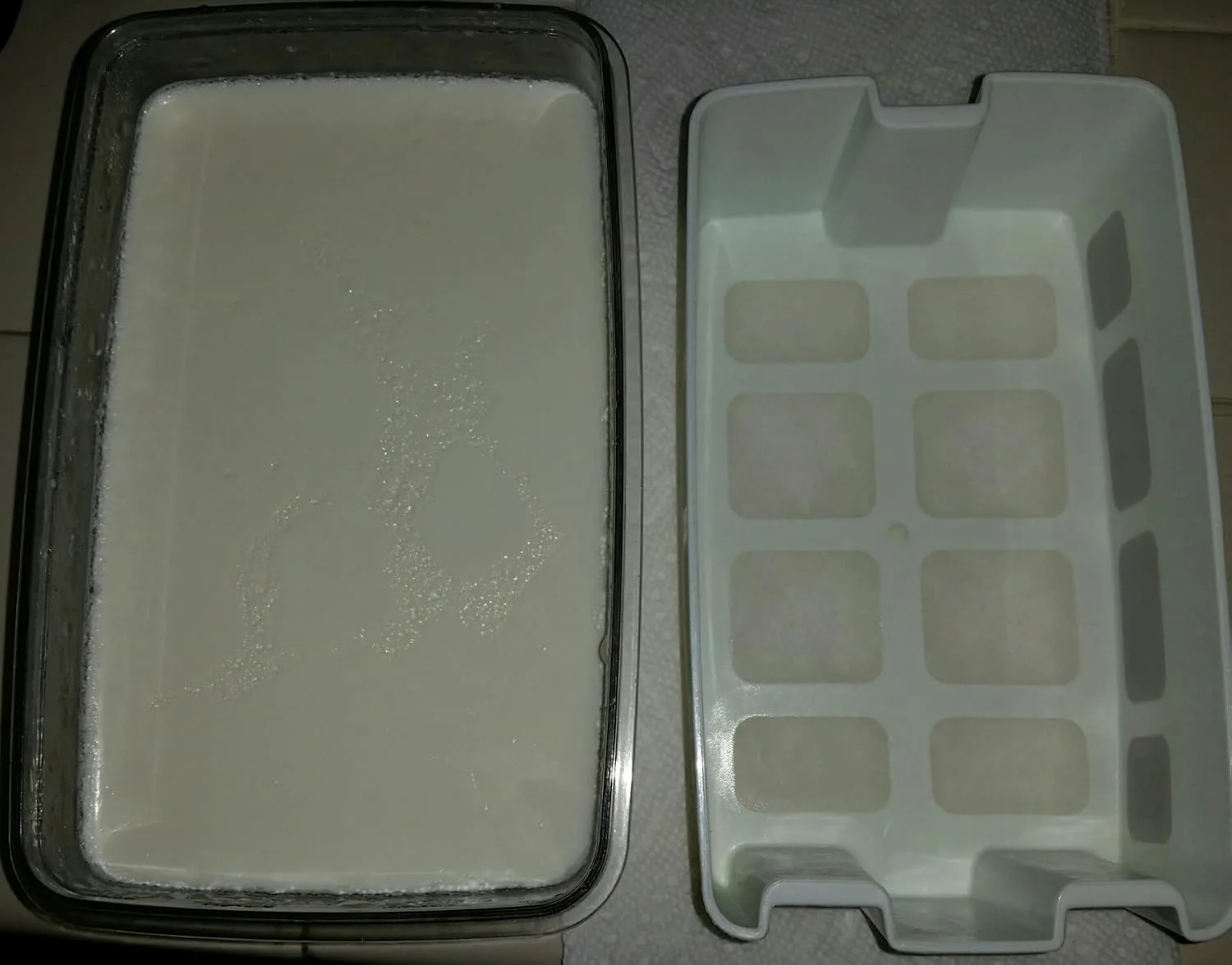
Both can be made at home, and honestly, I’ve found that making your own gives you far more control over quality and probiotic potency. Store-bought versions sometimes contain added sugars, thickeners, and fewer live cultures than labels suggest — especially if they’ve been sitting on a shelf for a while. Homemade fermented foods tend to be fresher, more potent, and often more affordable over time.
The Yogurt Culture That Actually Gives You Enough Live Bacteria to Make a Difference
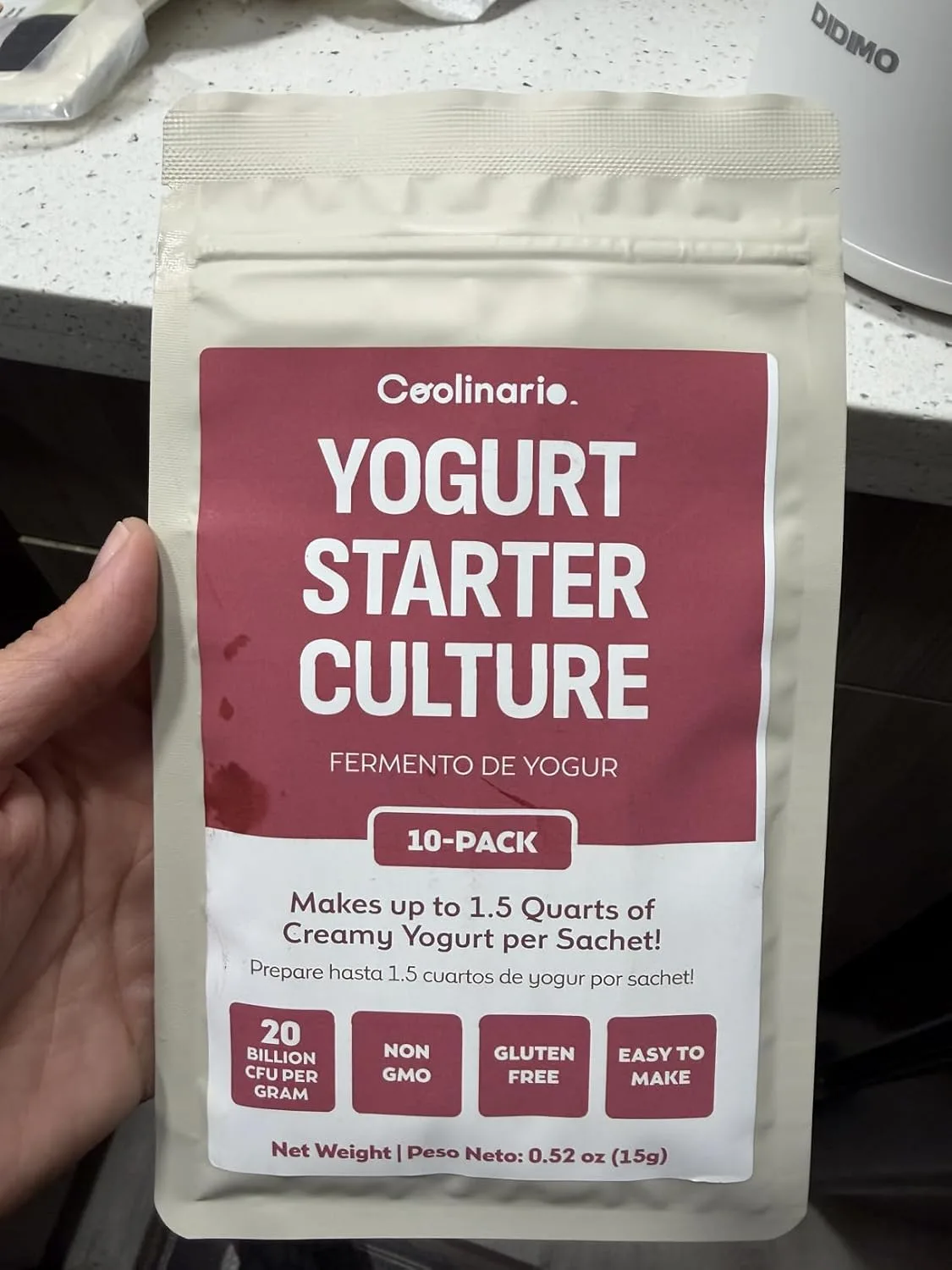
If you’re buying commercial yogurt hoping for meaningful probiotic benefit, you’re often getting a fraction of what you need — and most commercial cultures don’t survive stomach acid well enough to colonize your gut. Making your own yogurt with a quality heirloom culture gives you control over fermentation time (longer = more bacteria and lower lactose), higher bacterial counts, and the satisfaction of knowing exactly what’s in your bowl.
What works
- Heirloom cultures are reusable batch after batch, so you’re not constantly buying new starter — this means consistency and cost savings over time, which matters if you’re making yogurt 2–3 times a week.
- Extended fermentation (12–24 hours) dramatically reduces lactose and increases bacterial viability; clients with mild lactose sensitivity often tolerate homemade fermented yogurt far better than store-bought.
- Greek-style cultures produce a thick, creamy texture without additives or gums, so you’re getting a clean fermented product that works in both sweet applications (smoothies, parfaits) and savory ones (tzatziki, sauces).
What doesn’t
- This won’t fix dysbiosis on its own — yogurt is a food, not a clinical-strength probiotic supplement, so if you have active IBS, Crohn’s, or recent antibiotic use, talk to your GP or dietitian before relying on fermented foods as your main intervention.
- If you have casein sensitivity (distinct from lactose intolerance), yogurt — even homemade — won’t help; you’ll need to explore non-dairy fermented options like coconut or oat-based alternatives instead.
Homemade yogurt is a wonderful addition to gut health, but it’s a food strategy, not a treatment — it works best as part of a broader approach that includes fiber, hydration, and stress management. If you’re ready to try it, Cultures for Health Greek Yogurt Starter Culture (Heirloom Style) is my go-to recommendation.
This post contains affiliate links. As an Amazon Associate, I earn from qualifying purchases at no extra cost to you.