I am a qualified nutritionist, not a gastroenterologist. The experiences shared here are personal and clinical observations. Always consult your doctor before starting any new supplement or health protocol, especially if you take medication.
Why I Finally Decided to Test an At-Home Food Sensitivity Kit
After 15 years working as a nutritionist and gut health specialist, I thought I had seen everything. Bloating after salads. Cramping after oats. Brain fog after what seemed like a perfectly healthy meal. These patterns showed up in my clinic constantly — and honestly, they showed up in my own life too. Last spring, I was dealing with unpredictable afternoon fatigue and persistent low-grade bloating that I simply could not pin down through elimination diets alone.
That frustration is what pushed me toward this Everlywell food sensitivity test review. I had recommended elimination protocols to clients for years. However, I wanted to see whether an IgG antibody panel could add meaningful clinical data — or whether it was just expensive guesswork. So I ordered the kit, tested it myself, and tracked everything over several weeks. Here is exactly what happened.
When You Need Objective Data on Your Food Triggers (Not Just a Guess)
If you’ve been eliminating foods based on intuition alone—or worse, cutting out entire food groups without knowing why—an at-home food sensitivity test can give you the evidence you need to make confident decisions. This is especially useful when symptoms are vague or you suspect multiple triggers but can’t pinpoint them through trial and error alone.
What works
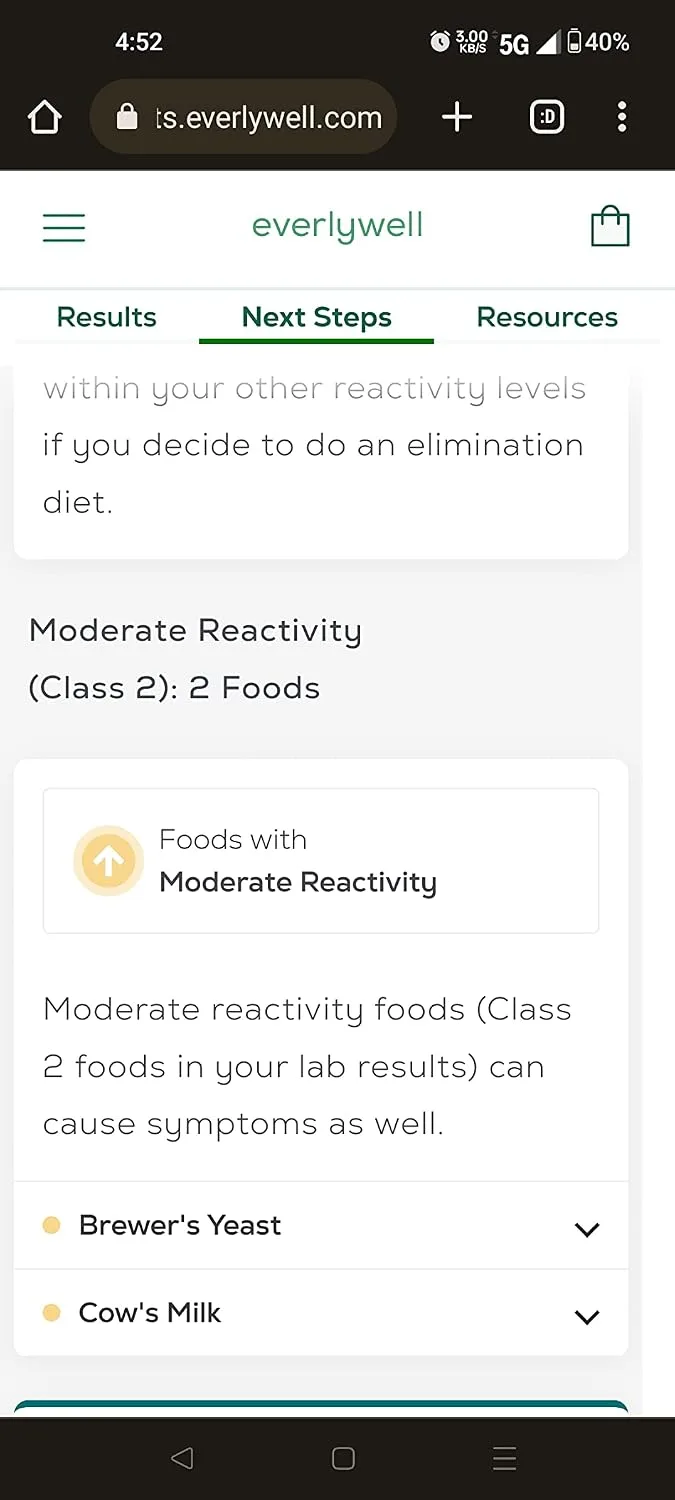
- Removes the guesswork from elimination diets by testing IgG antibody responses to 204 foods—giving you a report you can actually work with instead of a generic “avoid these” list.
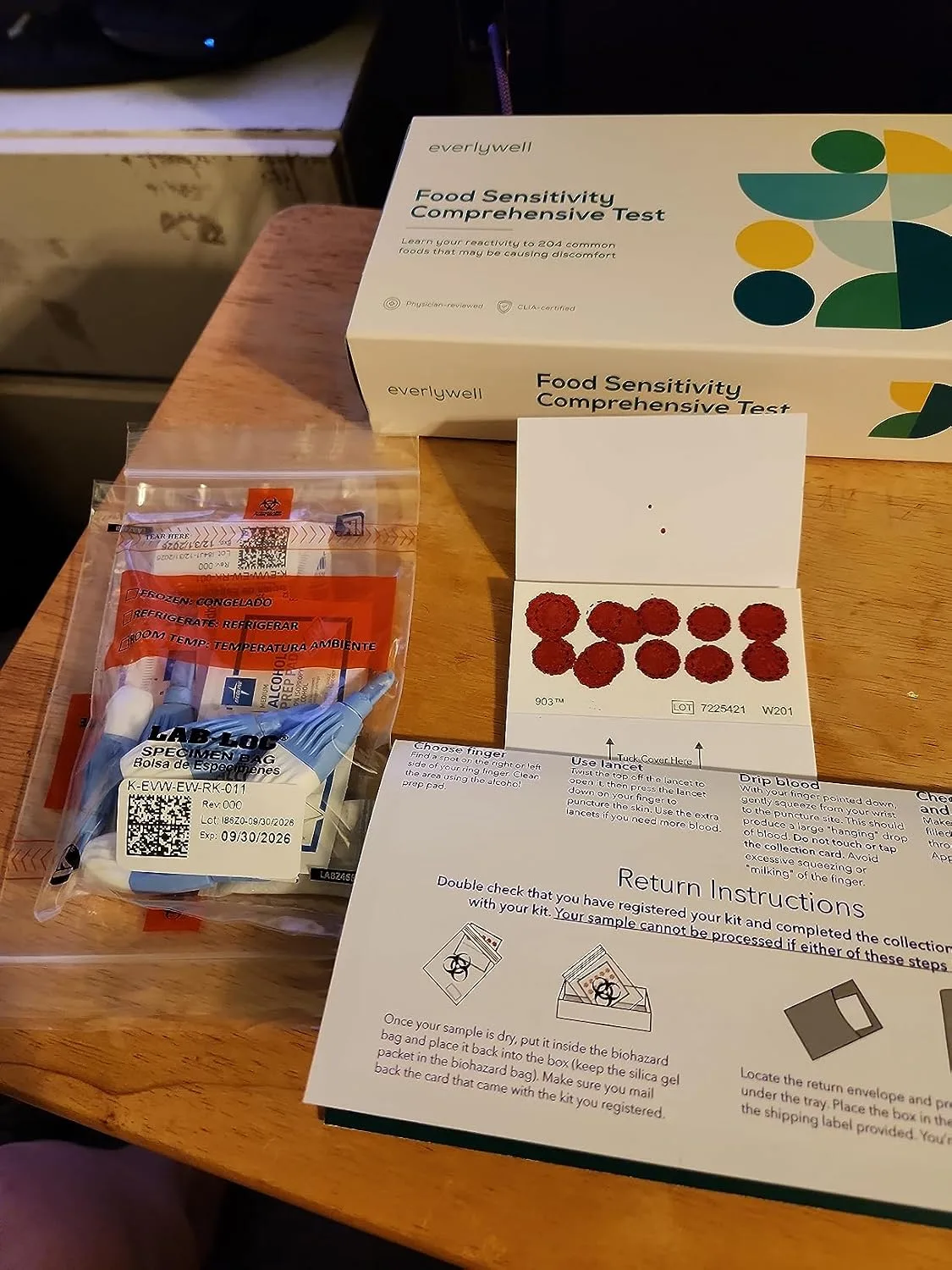
- CLIA-certified lab testing means the sample collection is straightforward (fingerstick at home) and results are processed by accredited facilities, so you’re not paying for a direct-to-consumer gimmick.
- Most of my clients find it validating—when a food they suspected shows up as a high responder, it reframes that elimination as evidence-based rather than restrictive, which improves compliance and reduces the psychological burden of guessing.
What doesn’t
- IgG food sensitivity testing (as opposed to IgE allergy testing) is still debated in mainstream gastroenterology—some doctors don’t view it as diagnostic for intolerance, so don’t expect your GP to treat results as a clinical diagnosis on their own.
- A positive result doesn’t automatically mean you need to avoid that food forever; some people tolerate small amounts or find their sensitivity improves with gut healing, so you’ll want to reintroduce systematically rather than ban foods permanently based on one test.
This test is a starting point for conversation with your nutritionist or doctor—not a replacement for medical diagnosis if you have severe allergic reactions or undiagnosed GI disease. Everlywell Food Sensitivity Comprehensive Test – Learn How Your Body Responds to 204 Different Foods – At-Home Collection Kit – CLIA-Certified Labs – Ages 18 Plus
This post contains affiliate links. As an Amazon Associate, I earn from qualifying purchases at no extra cost to you.

Everlywell Food Sensitivity Comprehensive Test – Learn How
I got a lab-backed report instead of generic advice, which actually helped me stick to changes.
Check Price on Amazon →This post contains affiliate links. As an Amazon Associate, I earn from qualifying purchases at no extra cost to you.