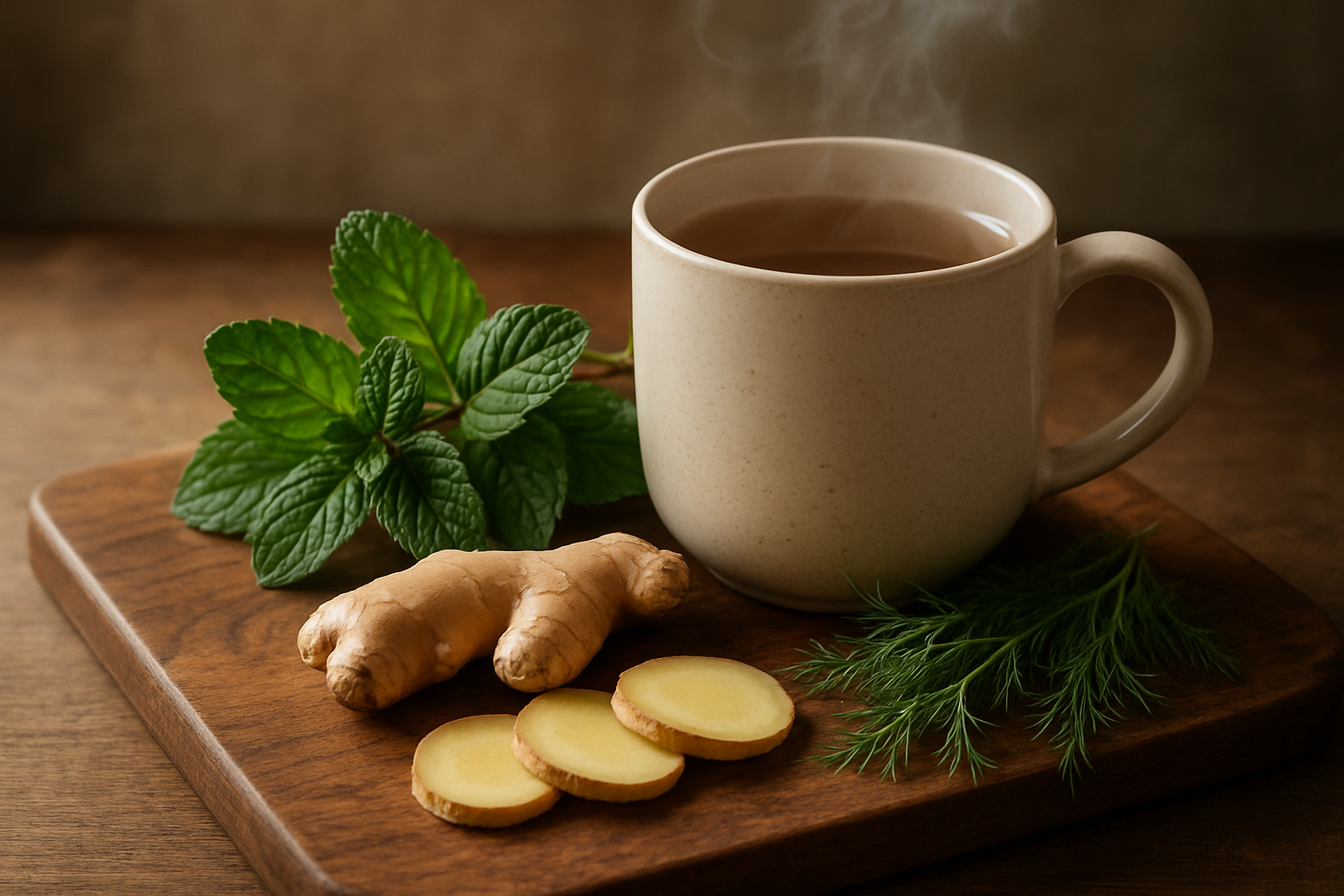
You know that feeling — you eat a perfectly normal meal, maybe nothing out of the ordinary, and an hour later your stomach is puffed out like a balloon and you’re quietly unbuttoning your jeans under the table. I’ve been there more times than I’d like to admit. That uncomfortable, heavy, gassy fullness is one of the most common digestive complaints out there, and honestly, it can derail your whole day. The good news? Some of the most effective herbal remedies for bloating have been sitting in kitchens and apothecaries for centuries — and modern research is finally catching up to what our grandmothers already knew. Today I want to walk you through three powerful herbs — peppermint, ginger, and fennel — that many people find genuinely helpful when it comes to taming that post-meal puffiness.
Why Your Gut Loves These Three Herbs
Before we dive into each herb individually, it helps to understand what’s actually happening when you bloat. Most of the time, bloating is caused by excess gas in the digestive tract, slowed gut motility (things moving too slowly through your system), or muscle tension in the intestinal walls. Sometimes it’s a combination of all three. The herbs we’re talking about today each target one or more of these root causes — and that’s exactly what makes them such a powerful team.
Peppermint: The Muscle Relaxer
Peppermint is probably the most well-researched of the three, and it earns that reputation. The active compound in peppermint — menthol — has a natural antispasmodic effect on the smooth muscle lining of your gut. Research suggests that peppermint oil may help relax the intestinal muscles, allowing trapped gas to move through more easily and reducing that crampy, tight sensation that so often accompanies bloating. Several clinical studies have looked specifically at enteric-coated peppermint oil capsules (the coating allows the oil to bypass the stomach and work in the intestines where it’s needed most), and many people find consistent relief with regular use.
One thing I always emphasize: the form matters. Peppermint tea is lovely and soothing, but if you want targeted intestinal support, enteric-coated capsules tend to deliver the active compounds where they’re actually needed.
Ginger: The Motility Booster
Ginger has been used in traditional medicine across Asia, the Middle East, and beyond for thousands of years — and the science behind it is genuinely impressive. Research suggests that compounds in ginger called gingerols and shogaols may help stimulate gastric motility, meaning they can help food move through your stomach and intestines at a healthier pace. Slow motility is one of the most underappreciated causes of bloating, and when things are moving the way they should, gas doesn’t get the chance to build up and cause discomfort. Many people also find ginger helpful for the nausea that sometimes accompanies a bloated, unhappy gut.
Fennel: The Gas Buster
Fennel might be the least familiar of the three, but it’s been a go-to digestive remedy in Mediterranean and South Asian cultures for generations — and for good reason. Fennel seeds contain volatile oils, particularly anethole, that research suggests may have carminative properties. In plain English: carminatives help relax the muscles in the digestive tract to allow gas to pass more easily. Many people find that fennel is especially helpful after high-fiber meals or after eating foods that tend to cause gassiness. In India, it’s so common to chew fennel seeds after a meal that restaurants often keep a bowl of them by the exit — that’s centuries of practical wisdom right there.
Herbal Remedies for Bloating: Products Worth Trying
There are a lot of supplements out there, and the quality gap between brands is real. Here are the options I’d point a friend toward, based on formulation, ingredient quality, and what the research supports:
Best Combination Formula
The Ginger Dose That Actually Moves the Needle on Post-Meal Bloating
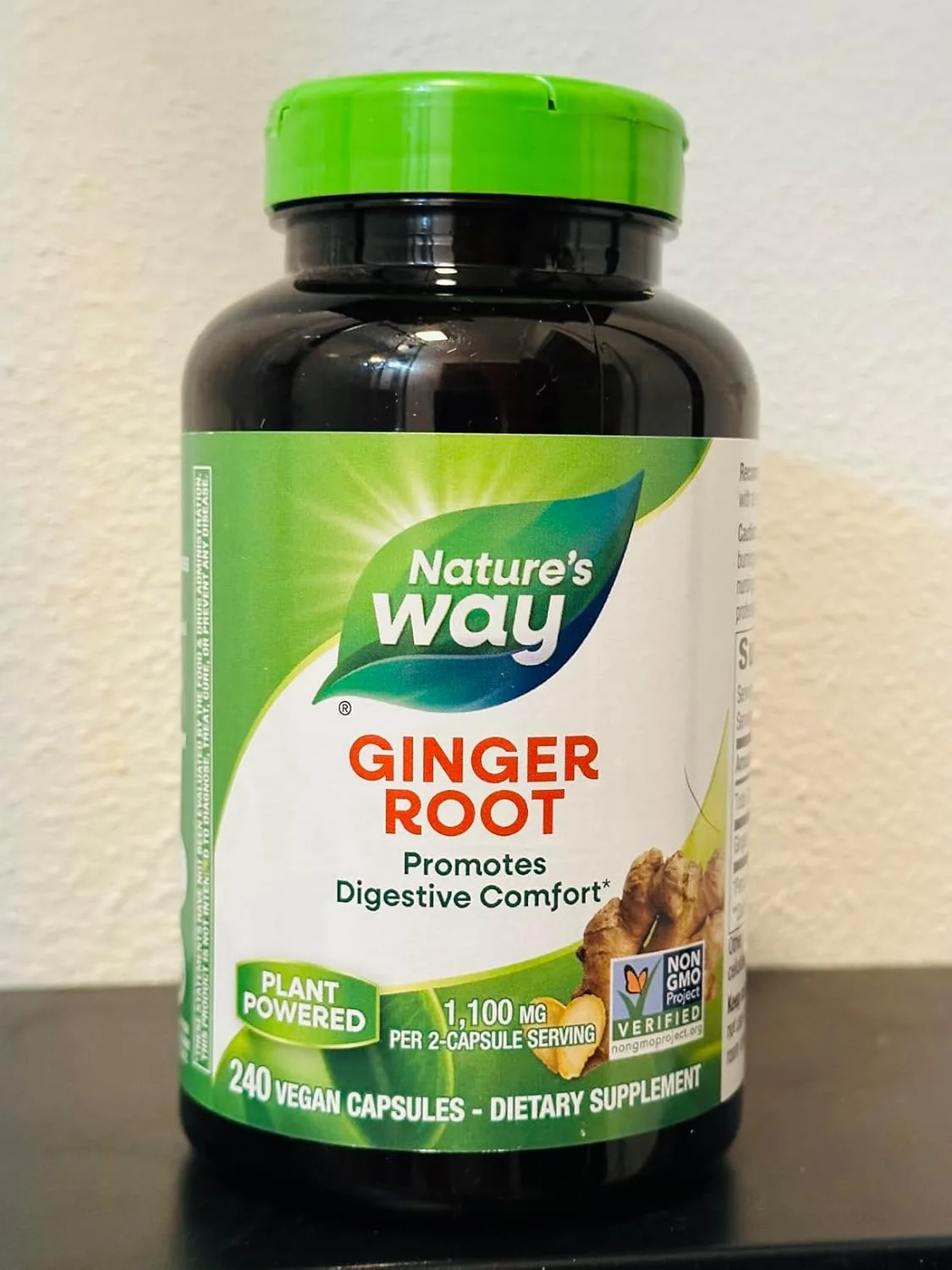
Ginger works by stimulating gastric contractions and speeding up stomach emptying — meaning food moves through your digestive tract more efficiently instead of sitting there fermenting and creating gas. At 1100mg per serving, this dose is strong enough to produce a noticeable effect without requiring you to swallow a handful of capsules.
What works
- Research shows ginger reduces bloating and the sensation of fullness in most people within 30–60 minutes of taking it, particularly when taken with meals or just before eating.
- The 1100mg dose in Nature’s Way is potent enough that most clients feel a real difference without needing to take it multiple times daily — a genuine advantage over weaker formulations.
- This brand is Non-GMO Project Verified and vegan, so it works for most dietary preferences, and the 240-count bottle means you’re not re-ordering constantly if ginger becomes a regular tool for you.
What doesn’t
- If your bloating is driven by constipation or food intolerances (like undiagnosed coeliac or lactose sensitivity), ginger won’t fix the root cause — it’ll only ease the symptom temporarily.
- People on blood thinners, those with gallstones, or anyone pregnant should check with their GP first, as ginger can interact with medications and may not be appropriate in these situations.
Ginger is genuinely helpful for functional bloating, but it’s a symptom manager, not a diagnostic tool — if bloating is severe, persistent, or accompanied by weight loss or changes in bowel habits, you need to see your GP to rule out underlying conditions first. Nature’s Way Ginger Root Capsules, 1100mg per serving
This post contains affiliate links. As an Amazon Associate, I earn from qualifying purchases at no extra cost to you.