You know that feeling — you sit down to a perfectly good meal, maybe some beans and rice, a big veggie stir-fry, or even just a slice of pizza — and within an hour your stomach looks like you swallowed a basketball. The bloating, the pressure, the general sense that your digestive system is staging a protest. If that sounds familiar, you’re definitely not alone. I’ve been there more times than I care to admit, which is exactly why I went deep into the research on digestive enzymes for bloating relief and whether they’re actually worth the hype.
What Are Digestive Enzymes and Why Do They Matter?
Your body is already producing digestive enzymes every single day — they’re secreted by your salivary glands, stomach, pancreas, and small intestine. Their job is to break down the food you eat into smaller molecules your body can actually absorb and use. We’re talking about proteins being broken into amino acids, carbohydrates into simple sugars, and fats into fatty acids.
Here’s where things get interesting: research suggests that when your body doesn’t produce enough of certain enzymes — or when you eat more of a particular food than your enzymes can handle — undigested food particles pass into the large intestine. There, gut bacteria ferment them, producing gas as a byproduct. That gas is what causes the bloating, cramping, and general discomfort so many of us experience after meals.
Supplemental digestive enzymes are designed to fill in those gaps. They deliver concentrated enzyme activity to your digestive tract to help break down food more completely before fermentation can kick in. Many people find that adding a quality enzyme supplement to their routine makes a noticeable difference in how they feel after eating.
The Key Enzymes to Look For (and What They Actually Do)
Not all digestive enzyme supplements are created equal, and understanding what you’re looking at on the label makes a huge difference. Here are the heavy hitters worth knowing about:
- Amylase — helps break down starches and carbohydrates. If bread, pasta, or grains tend to bloat you, this one matters.
- Protease — works on proteins. Useful if heavy meat-based meals leave you feeling sluggish and uncomfortable.
- Lipase — targets dietary fats. Many people find this particularly helpful when eating high-fat meals.
- Lactase — breaks down lactose, the sugar in dairy. If dairy is your nemesis, this one is essential.
- Alpha-galactosidase — this is the big one for beans, lentils, cruciferous vegetables, and legumes. It breaks down complex sugars called oligosaccharides that the human body simply cannot digest on its own — the primary culprit behind bean-induced bloating.
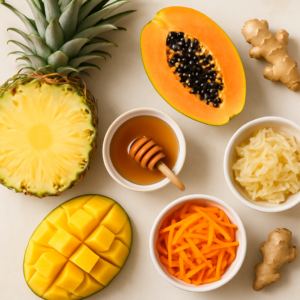
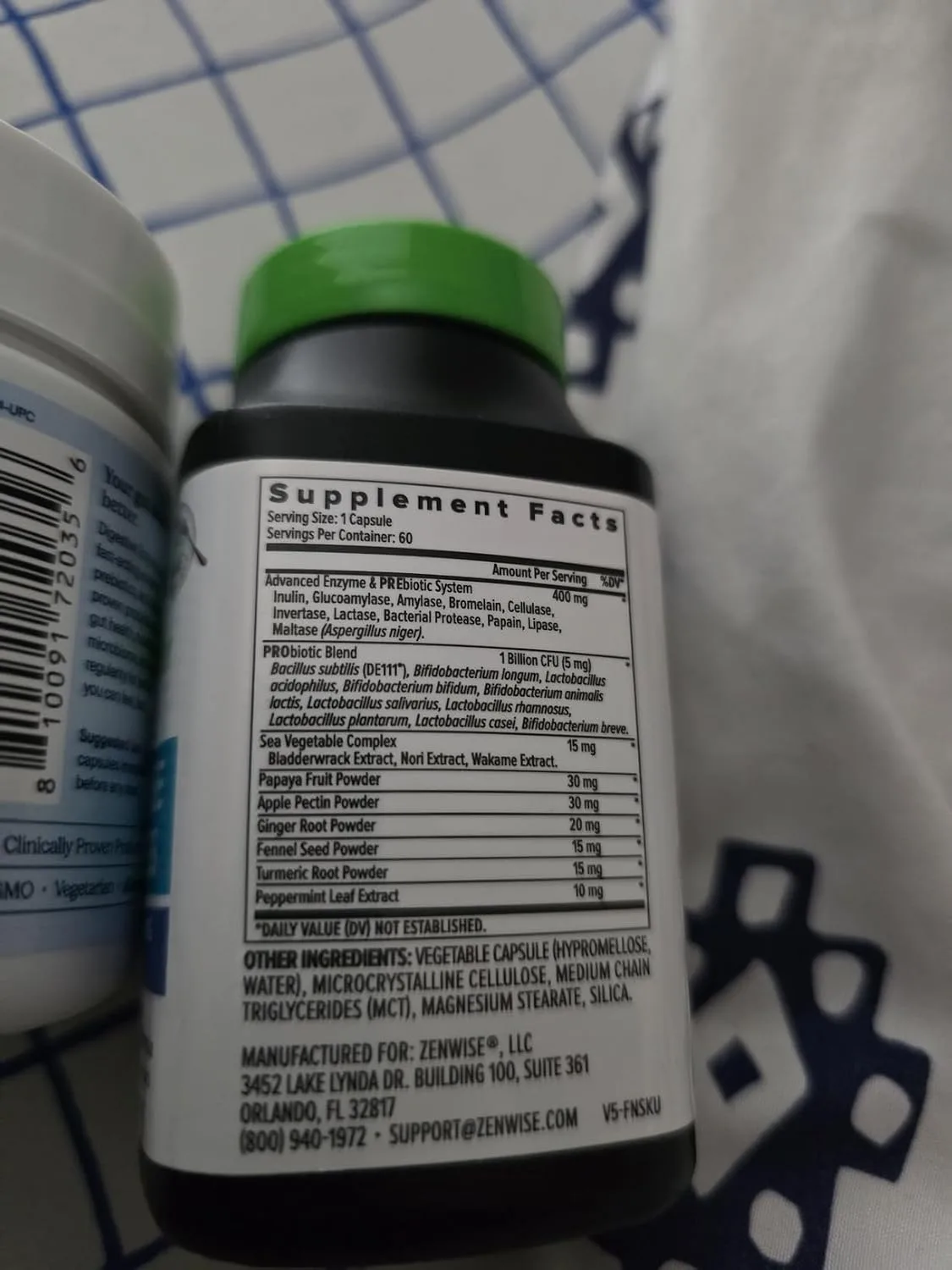
- Bromelain and Papain — plant-derived enzymes from pineapple and papaya respectively. Research suggests these proteolytic enzymes may support overall protein digestion and have gentle anti-inflammatory properties in the gut.
A broad-spectrum supplement covering several of these bases tends to be more useful for general bloating than a single-enzyme product — unless you have one very specific trigger food.
Digestive Enzymes for Bloating Relief: What the Research Actually Says
I want to be upfront with you — the research on digestive enzyme supplements is promising but still growing. This isn’t a “take this pill and bloating disappears forever” situation. What studies do suggest is genuinely encouraging though.
A study published in the Journal of the International Society of Sports Nutrition found that multi-enzyme supplementation may support improved protein digestion and reduce post-meal discomfort. Research on alpha-galactosidase specifically — the enzyme in products like Beano — has shown it to be effective at reducing gas production from bean and vegetable consumption in multiple controlled trials. And studies on bromelain suggest it may support healthy digestion and ease gastrointestinal discomfort, particularly with protein-heavy meals.
The bottom line: digestive enzyme supplements are not a cure or treatment for any condition, but many people find they may support more comfortable digestion, especially when taken consistently with meals that are known personal triggers.
Products Worth Trying
After going through the research and looking at what’s actually available, here are the products I feel good recommending. These all have solid formulations, reasonable price points, and positive real-world feedback from users dealing with bloating and digestive discomfort.
The Enzyme Formula I Recommend When Bloating Hits Right After Carbs and Protein
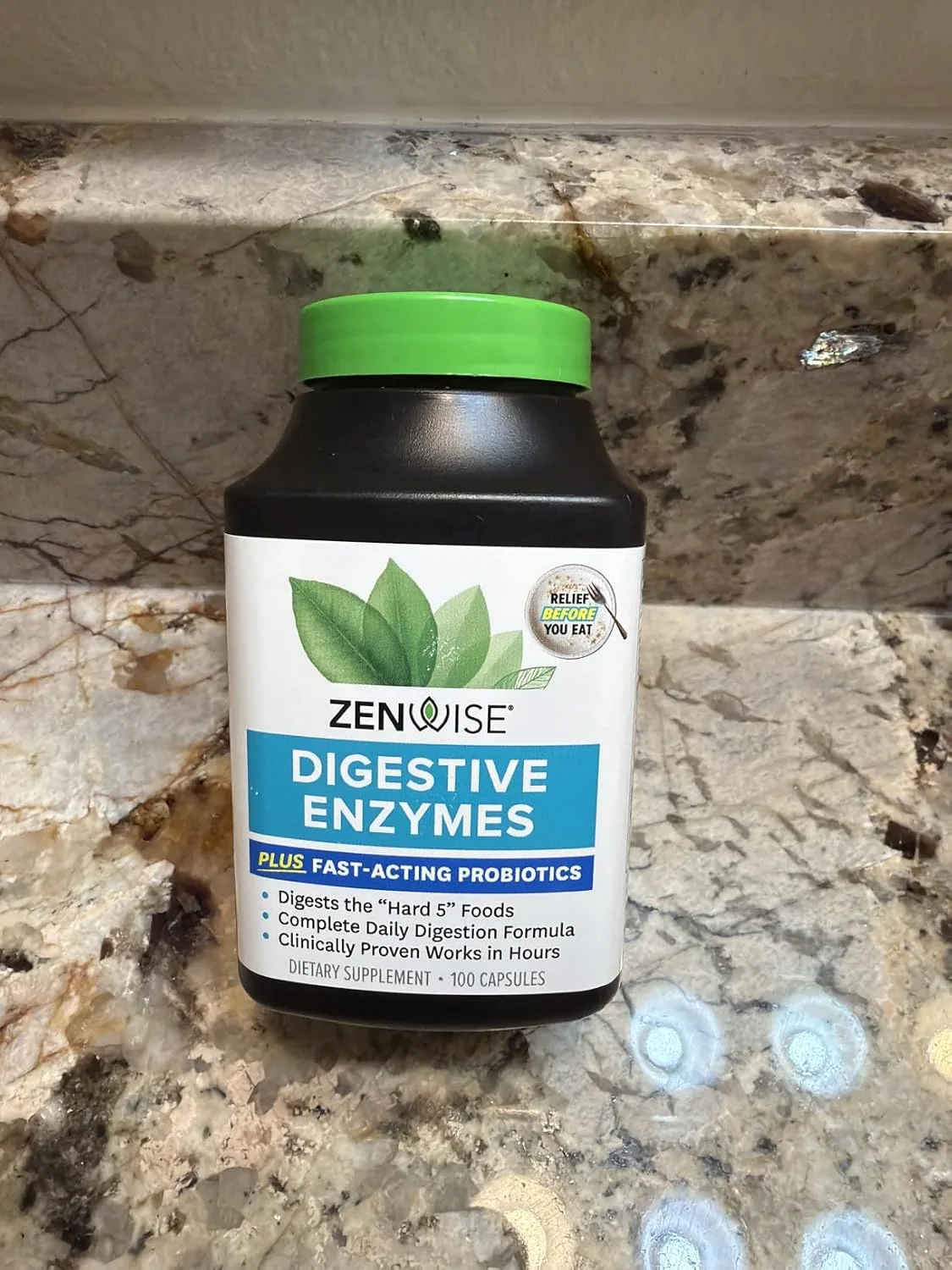
If your bloating tends to peak after meals heavy in starches, beans, or protein, a broad-spectrum enzyme formula can genuinely help break down what your own digestive system struggles with. Zenwise’s blend includes proteases, amylases, and plant-derived enzymes (bromelain from pineapple, papain from papaya) that target the foods most likely to cause that basketball-belly feeling.
What works
- The combination of multiple enzyme types means it can help with starch, protein, and fat digestion simultaneously — more versatile than single-enzyme supplements and closer to what your actual pancreas would be doing at full capacity.
- Clients most often report noticeable reduction in post-meal bloating within 3–5 days of consistent use, particularly with their problem foods (beans, cruciferous vegetables, heavy proteins), rather than overnight transformation.
- The bromelain and papain are active at stomach pH, which means they actually begin working before your food enters the small intestine — timing matters, and this formula is designed for it.
What doesn’t
- If your bloating is driven by gas-producing bacteria (FODMAP sensitivity, dysbiosis) or low stomach acid rather than enzyme insufficiency, digestive enzymes alone won’t solve it — you may need to address the root cause first, which is why a food diary and possibly a conversation with your GP matters.
- Bromelain can interact with blood thinners and some medications, and it may cause mild mouth tingling in sensitive individuals — if you’re on any medication, especially anticoagulants, check with your doctor or pharmacist before starting.
Digestive enzymes work best as part of a bigger picture — they’re not a replacement for identifying whether you actually have low enzyme production, food intolerances, or dysbiosis. If bloating persists despite taking enzymes consistently, or if you have a history of pancreatitis, talk to your GP before continuing. You can try Zenwise Health Digestive Enzymes with Bromelain & Papaya (60 Capsules) to see if it makes a real difference for your meals.
This post contains affiliate links. As an Amazon Associate, I earn from qualifying purchases at no extra cost to you.
This post contains affiliate links. As an Amazon Associate, I earn from qualifying purchases. This means if you click a link and make a purchase, I may earn a small commission at no extra cost to you. I only recommend products I genuinely believe may be helpful.