You know that heavy, sluggish feeling after a big meal — when your stomach feels like it’s working overtime just to process what you ate? I’ve been there more times than I can count. For a long time, I assumed that was just how digestion worked. It wasn’t until I started digging into the research on digestive enzymes that I realized food choices play a huge role in how efficiently your body breaks things down. The good news? There are plenty of natural foods to boost digestive enzymes that you can start adding to your plate today — no prescription required.
What Are Digestive Enzymes and Why Do They Matter?
Digestive enzymes are proteins your body produces naturally — primarily in the pancreas, small intestine, and saliva — to help break down the food you eat into nutrients your cells can actually use. There are several key types: amylase breaks down carbohydrates, protease handles proteins, and lipase takes care of fats. When enzyme production is low or sluggish, many people find they experience bloating, gas, indigestion, and that uncomfortable fullness that lingers way too long after eating.
Research suggests that certain whole foods contain natural enzymes or compounds that may help support your body’s own enzyme activity. While these foods aren’t a substitute for medical treatment, incorporating them into a balanced diet is one of the simplest and most delicious strategies you can try.
Natural Foods to Boost Digestive Enzymes Every Day
Pineapple — The Bromelain Powerhouse
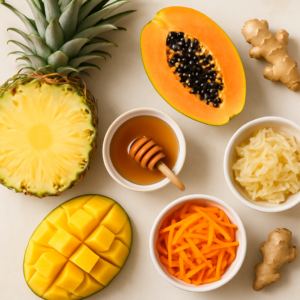
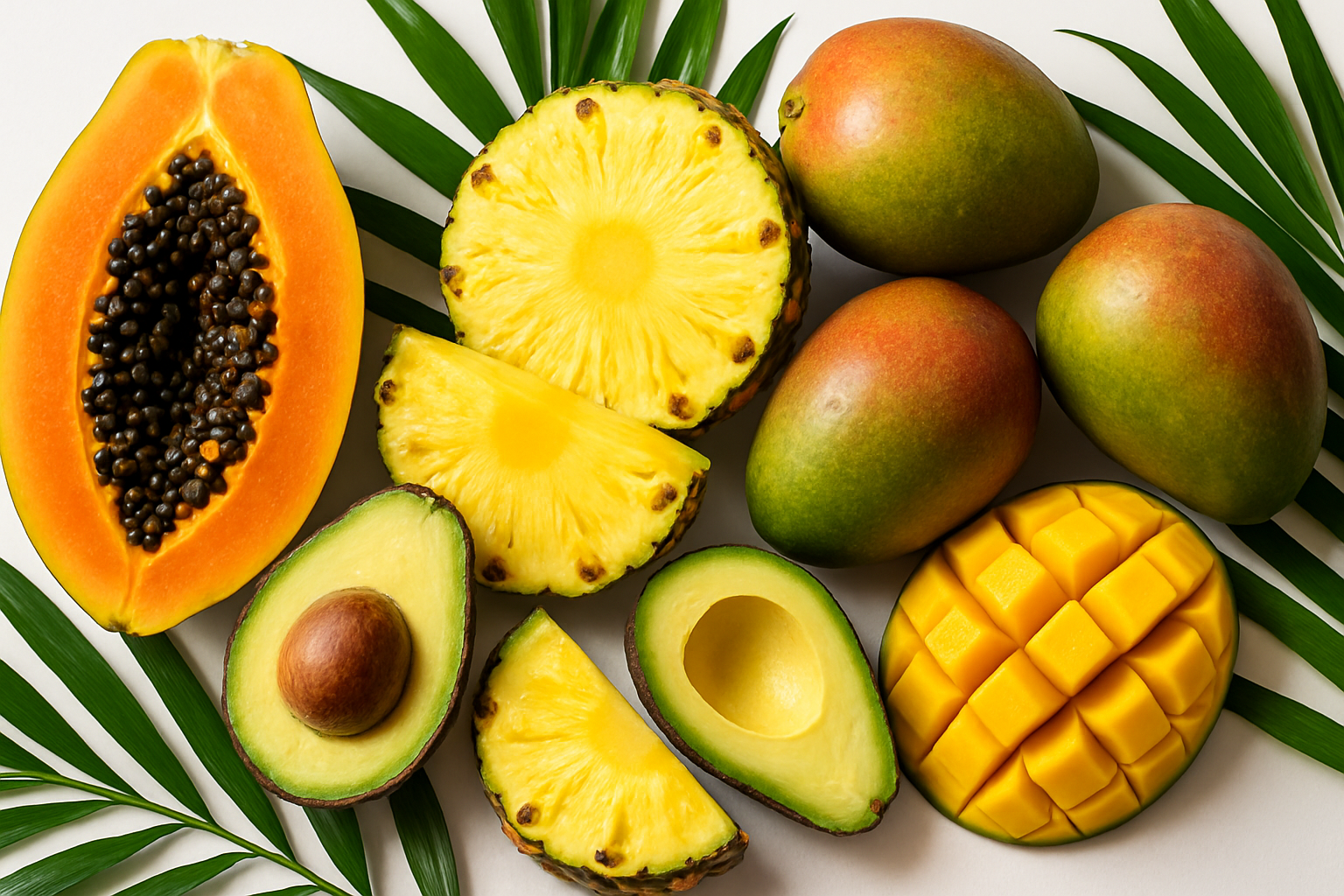
If there’s one fruit I’d put at the top of the enzyme-supporting list, it’s pineapple. Fresh pineapple contains bromelain, a group of proteolytic enzymes that research suggests may help the body break down proteins more efficiently. Many people find that eating a few chunks of fresh pineapple with a protein-heavy meal helps them feel lighter and less bloated afterward. The key word here is fresh — canned pineapple is heat-processed, which destroys most of the bromelain activity.
Papaya — Nature’s Digestive Aid
Papaya is another tropical fruit with serious enzyme credentials. It contains papain, a proteolytic enzyme that has been used traditionally for centuries to support digestion. Research suggests papain may help break down tough protein fibers, which is why papaya is sometimes used as a natural meat tenderizer. Eating ripe papaya regularly may support smoother digestion, particularly when your meals are protein-rich. Even the seeds have been studied for their potential digestive properties, though they’re quite strong in flavor.
Raw Honey
Raw, unprocessed honey contains small amounts of enzymes including amylase and invertase, introduced by bees during honey production. Because heat destroys these enzymes, it’s important to look for raw honey specifically. Drizzling it over oatmeal or mixing it into a room-temperature herbal tea is a gentle way to enjoy it while preserving its enzyme content.
Fermented Foods — Miso, Kefir, Sauerkraut, and Kimchi
Fermented foods don’t just deliver probiotics — the fermentation process itself produces enzymes as a byproduct. Miso, kefir, naturally fermented sauerkraut, and kimchi may all help support a digestive environment where your own enzyme production can thrive. Research suggests that a healthy gut microbiome and enzyme activity are closely connected, so nourishing one tends to support the other.
Ginger and Avocado
Fresh ginger contains an enzyme called zingibain, which functions similarly to bromelain and papain in breaking down proteins. Many people find that ginger tea or freshly grated ginger added to meals helps ease that post-meal heaviness. Avocados, meanwhile, contain lipase — the enzyme specifically responsible for breaking down dietary fats. Since your pancreas also produces lipase, getting a food-based source may provide additional support, especially on high-fat meal days.
Bananas and Mangoes
Ripe bananas contain amylase and glucosidases — enzymes that help break down carbohydrates. Interestingly, research suggests that enzyme activity increases as a banana ripens, which is why a spotted, fully ripe banana may be more digestively supportive than a firm, green one. Mangoes contain their own amylase enzymes as well, making them a naturally sweet way to support carbohydrate digestion.
When You Need Extra Enzyme Support: Bromelain for Protein Digestion
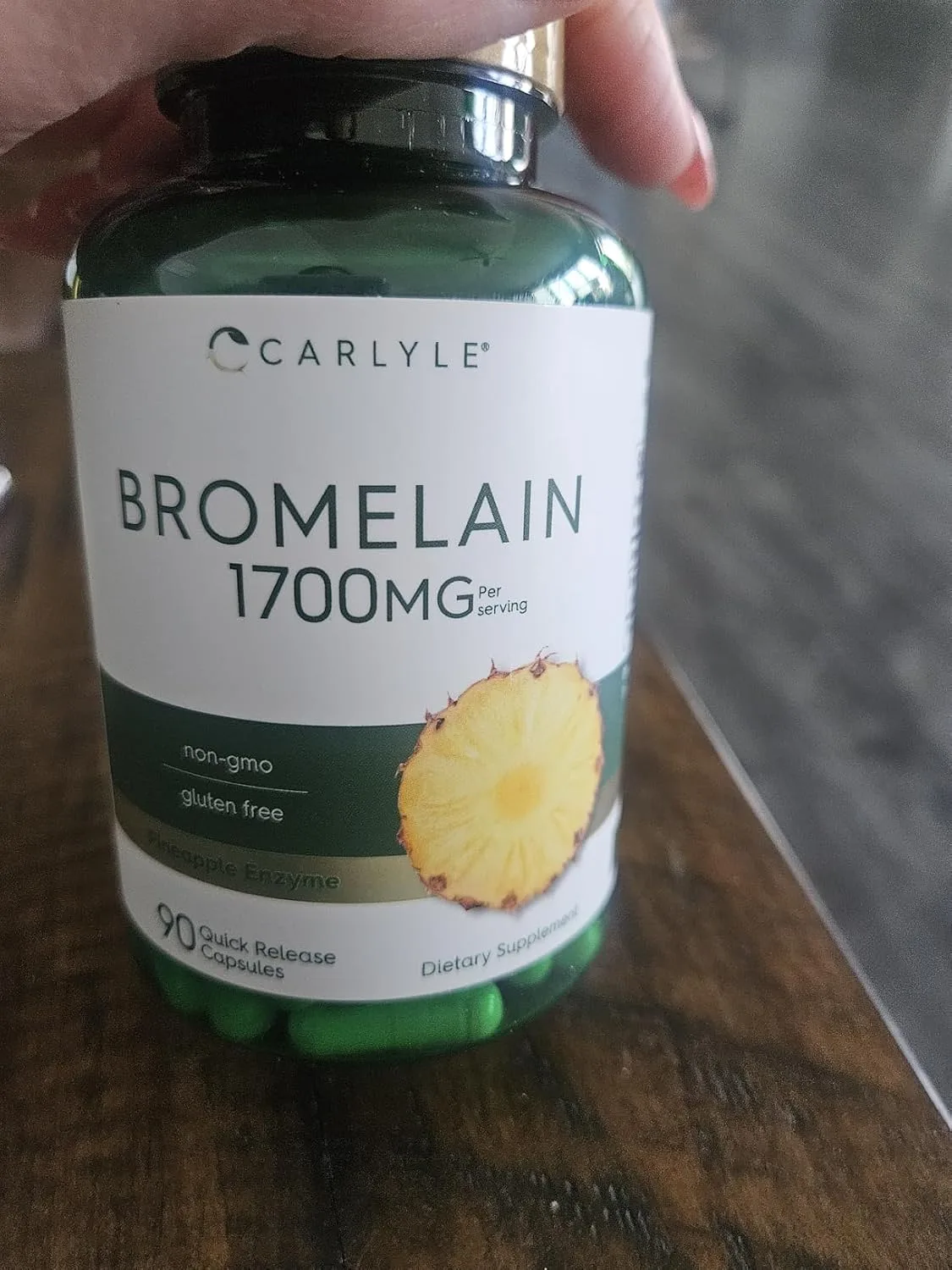
If you’re consistently struggling to break down protein-rich meals — especially meat, poultry, or legumes — bromelain (the enzyme from pineapple) can give your digestive system a meaningful boost when food alone isn’t enough. It’s one of the few supplemental enzymes with actual research backing its effect on protein digestion and post-meal discomfort.
What works
- Multiple clients report noticeably less bloating and heaviness within 2–3 days of taking bromelain with larger protein meals, particularly when eaten quickly or in large quantities.
- The higher dose (1700 mg like Carlyle’s formulation) is more likely to show an effect than lower-dose alternatives — research suggests you need adequate concentration to see a real difference in protein breakdown.
- Unlike pancreatic enzyme supplements, bromelain works across a wider pH range in the stomach, making it useful even if your own enzyme production is variable or inconsistent.
What doesn’t
- If your digestive struggle is primarily fat or carbohydrate digestion, bromelain won’t help — it’s protein-specific, so you need to know where your actual bottleneck is.
- If you’re on blood thinners or antiplatelet medications, bromelain can increase bleeding risk, so talk to your GP before starting; also, it’s not suitable for anyone with a latex or pineapple allergy.
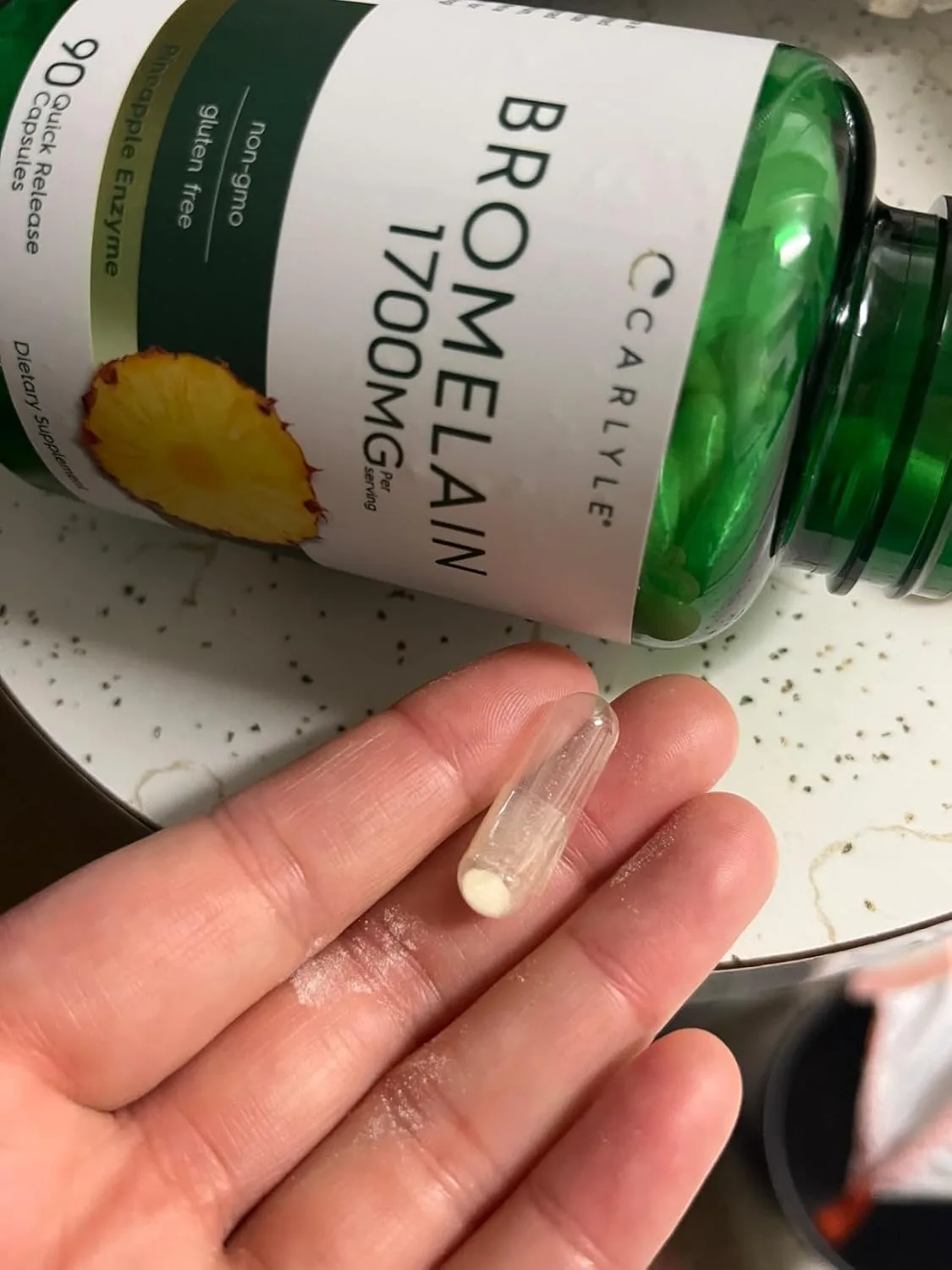
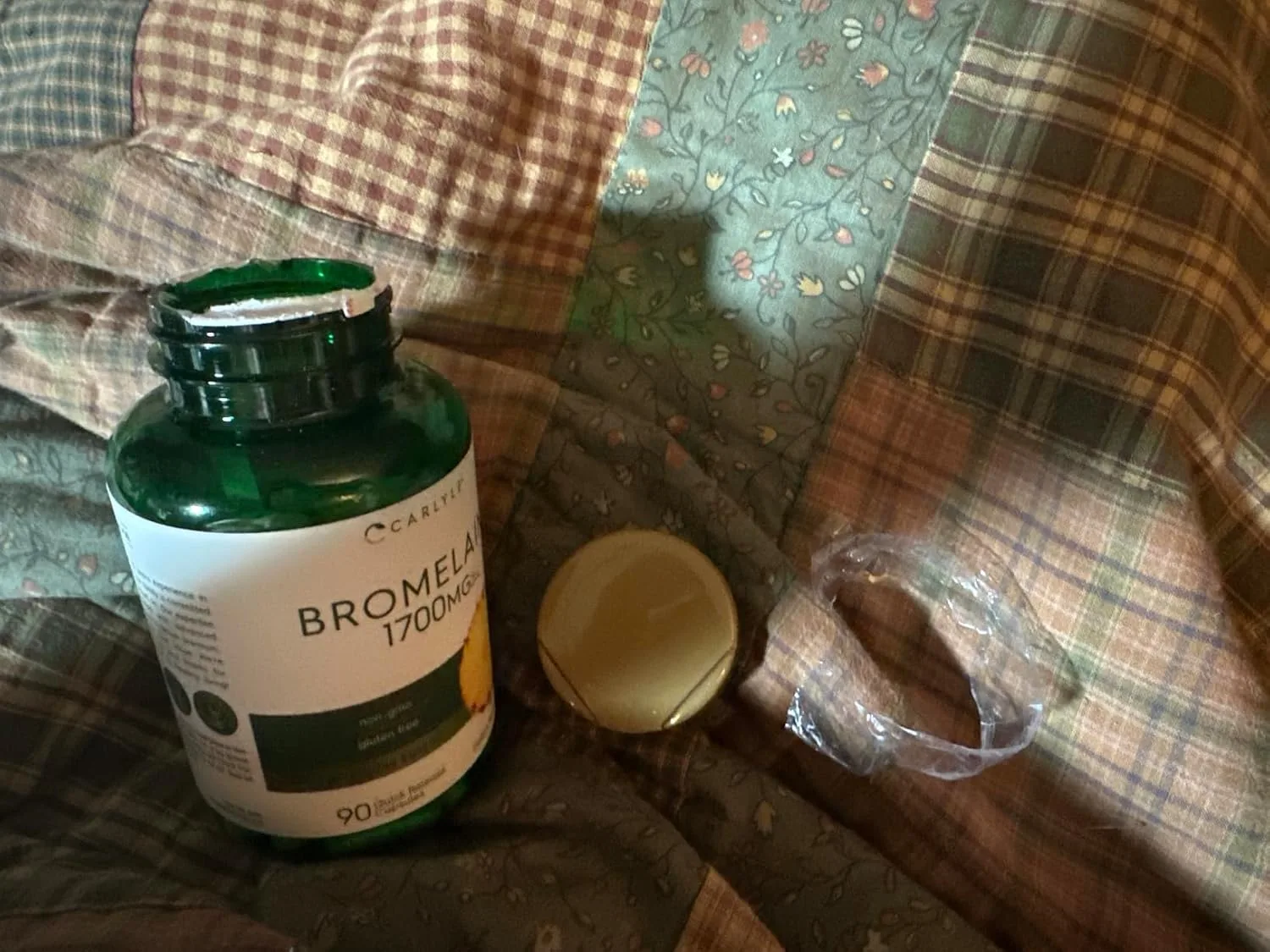
Bromelain is a helpful tool, but it’s not a long-term solution if there’s an underlying condition affecting your own enzyme production — if you’re consistently needing it for every meal, that’s worth investigating with your doctor. Carlyle Bromelain 1700 mg — 90 Capsules
This post contains affiliate links. As an Amazon Associate, I earn from qualifying purchases at no extra cost to you.
This post contains affiliate links. As an Amazon Associate, I earn from qualifying purchases. This means I may earn a small commission if you click through and make a purchase, at no extra cost to you. I only recommend products I genuinely believe may support your wellness journey.